 Follow Us on Google News
 Follow Us on Google Discover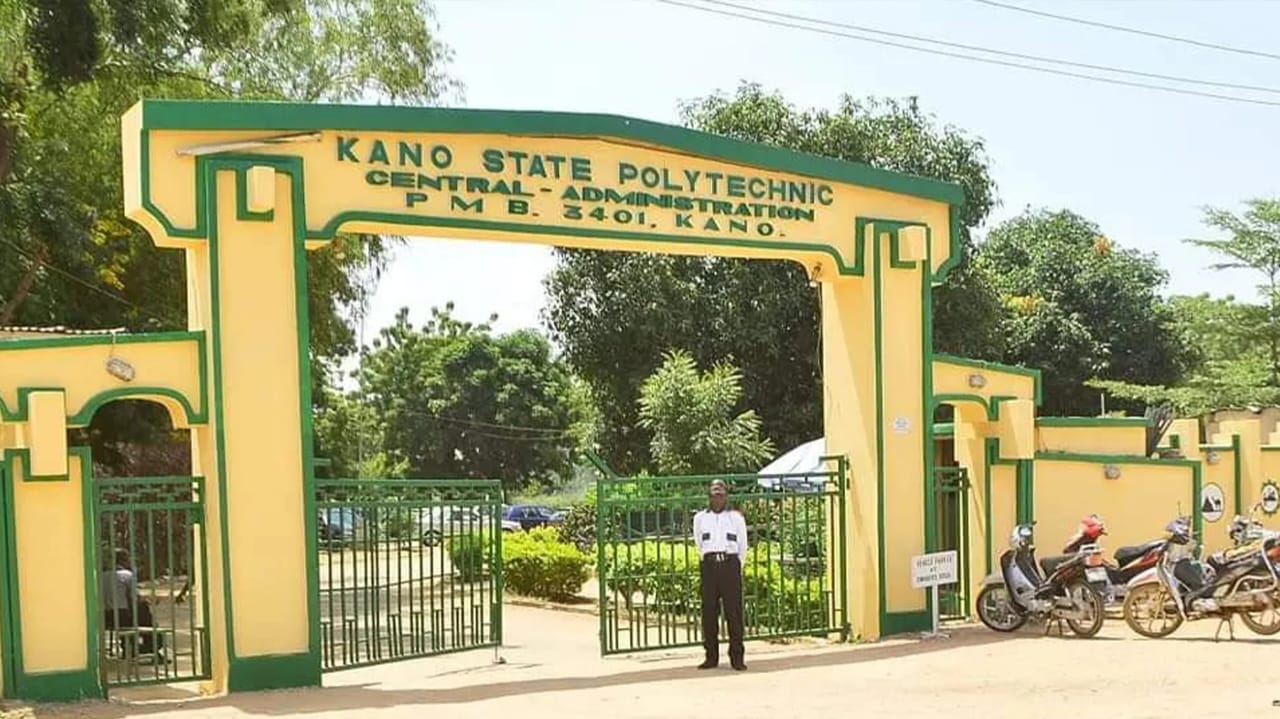
A major fire outbreak has destroyed the main library of Kano State Polytechnic, dealing a significant blow to academic activities, research operations, and educational resources within the institution.
The incident, which occurred on Tuesday at the polytechnic’s library complex located along Yahaya Gusau Road in Kano, reportedly consumed valuable books, academic materials, equipment, and important institutional records before the fire could be brought under control.
The destruction has sparked concern among students, staff members, and education stakeholders, many of whom fear the long-term impact the incident may have on teaching, learning, and research within the institution.
Confirming the incident, the Kano State chapter chairman of the National Library Staff Union, Malam Nazir Muhammad, described the fire as a painful setback to knowledge preservation and academic development at the polytechnic.
According to the union, the affected library housed critical educational resources used by students, lecturers, and researchers for academic work and institutional learning activities.
Witnesses said panic spread across the campus area as smoke billowed from the library building while efforts were made to salvage materials from the raging fire.

Although the exact extent of the damage has not yet been officially quantified, fears remain high that several irreplaceable academic documents and research materials may have been lost in the disaster.
The union expressed sympathy to library workers, students, and management of the institution, acknowledging the emotional and academic impact of the destruction on the school community.
It further emphasized the central role libraries play in educational institutions, describing them as the intellectual backbone of teaching, innovation, and research.
Education stakeholders say the destruction of a major academic library does not only affect students preparing for examinations and research work, but can also disrupt institutional operations, access to information, and academic continuity.
The union has therefore appealed to the Kano State Government, education authorities, donor organisations, and well-meaning Nigerians to support efforts aimed at rebuilding and modernising the library facility.
Observers note that the incident comes at a time when Nigerian tertiary institutions are already battling infrastructural challenges, inadequate funding, and limited access to updated academic resources.
The latest fire outbreak has also revived concerns over fire safety standards and emergency preparedness in public educational institutions across the country.
Analysts warn that many schools and government-owned facilities operate without adequate fire prevention systems, emergency response mechanisms, or proper electrical maintenance, increasing their vulnerability to disasters.
The incident is particularly worrying because it adds to a series of fire outbreaks reportedly recorded within the institution in recent times, raising questions about infrastructure safety and risk management practices.
As of the time of filing this report, authorities had not officially determined the cause of the fire, while investigations are expected to commence to establish the circumstances surrounding the outbreak.
Students and residents around the institution have meanwhile called for urgent intervention to restore damaged facilities and strengthen safety measures to prevent future occurrences.
For many affected students, the loss represents more than physical destruction, as the library served as a critical centre for learning, academic collaboration, and intellectual development within the institution.

