 Follow Us on Google News
 Follow Us on Google Discover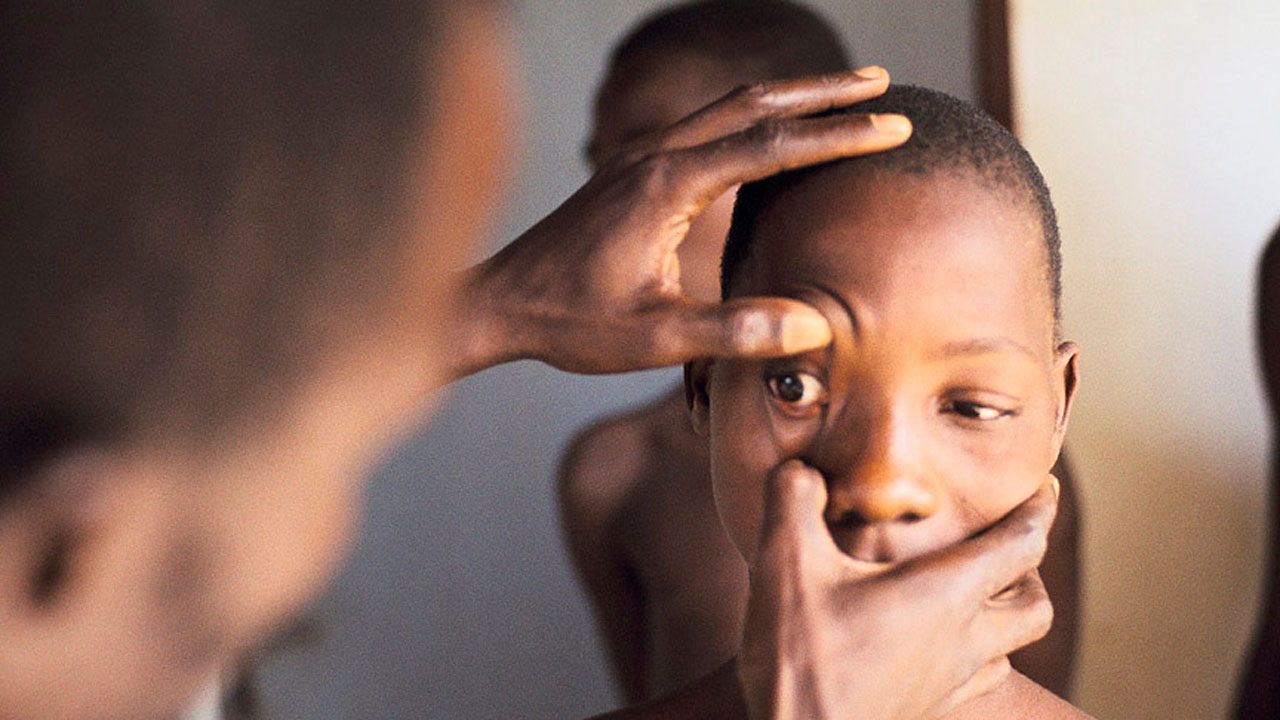
Tunisia has been validated as having eliminated trachoma as a public health problem, making it the 31st country in the world to eliminate.
This announcement was revealed on Thursday by the World Health Organisation (WHO).
“Congratulations, Tunisia, for becoming the 31st country in the world to eliminate trachoma, the leading infectious cause of blindness.
“With this milestone, Tunisia joins a growing number of countries working toward the elimination of neglected tropical diseases,” the world’s apex health organisation disclosed on its X handle.
WHO Director-General, Dr Tedros Adhanom Ghebreyesus, congratulated the North Africa country on the historic public health achievement, saying, “eliminating trachoma shows what long-term political commitment, strong primary health care and teamwork can do. Tunisia has proven that even the world’s leading infectious cause of blindness can be overcome.”
Trachoma is closely linked to limited access to water, sanitation and hygiene, and hits vulnerable populations hardest. In the early to mid-20th century, trachoma was endemic in Tunisia, affecting at least half of the population, especially in its southern regions.
Also, WHO Regional Director for the Eastern Mediterranean, Dr Hanan Balkhy, congratulated Tunisia on the elimination of trachoma as a public health problem, saying “this is a major achievement that reflects sustained and consistent national commitment over many years and shows what is possible when a country remains focused on addressing preventable causes of blindness.”
According to the WHO, for decades, Tunisia ran a comprehensive and sustained response to trachoma that turned a once-heavy health burden into a success story.
The country adopted and scaled up the WHO-recommended SAFE strategy: Surgery for advanced cases, Antibiotics to clear infection, Facial cleanliness to reduce spread, and Environmental improvement, particularly better access to water and sanitation. Tunisia also ran nationwide screening and treatment campaigns, integrated eye care into primary care and school health programmes, and worked with communities to promote good hygiene.
Also, the country’s Minister of Health, Dr. Mustapha Ferjani, described the achievement as a result of decades of coordinated national efforts, with the dedication of generations of health-care professionals, local communities who worked tirelessly to expand access to care, strengthen prevention and improve eye health across the country.
The minister added that Tunisia remains committed to sustaining these gains and protecting future generations.

