 Follow Us on Google News
 Follow Us on Google Discover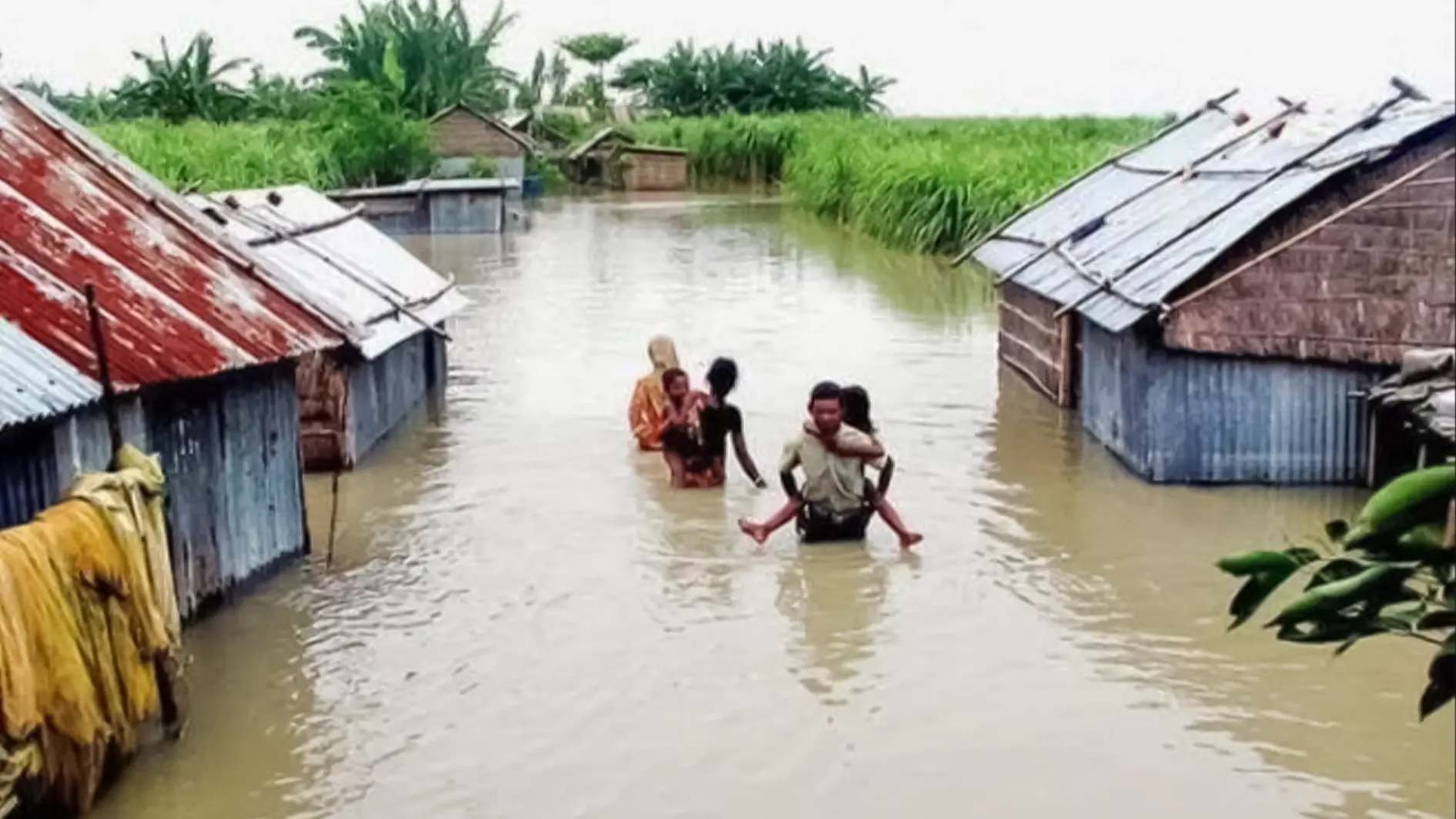
The National Emergency Management Agency (NEMA) has called on state governments to intensify flood prevention measures ahead of the 2026 rainy season, warning that more than 30 states could experience severe flooding.
The appeal was made by NEMA Director-General, Zubaida Umar, during a courtesy visit and stakeholders’ engagement in Adamawa State, according to a statement issued on Wednesday.

Umar urged governors and local authorities to move quickly to reduce the likely impact of flooding across vulnerable communities.
She advised states to revive monthly environmental sanitation exercises, clear blocked drains and waterways regularly, strengthen State Emergency Management Agencies, and ensure Local Emergency Management Committees are fully operational at the grassroots level.
According to the statement, NEMA has already developed a 2026 Climate-Related Risk Management, Preparedness and Mitigation Framework in response to flood forecasts nationwide.
The agency also said it had mapped flood-prone communities through its Flood Early Warning System to support disaster preparedness efforts by federal, state and local councils.
MEANWHILE, the Cross River State Governor, Bassey Otu, has raised concerns over the recurring flood disasters affecting the state, describing the situation as a growing ecological threat requiring urgent and coordinated intervention from all levels of government.
Speaking while receiving the Director-General of the National Emergency Management Agency (NEMA), Mrs Zubaida Umar, and his delegation, including Chairman, House Committee on Disaster Management and Emergency Preparedness, Joseph Bassey, during a courtesy visit as part of the 2026 National Flood Preparedness and Awareness Campaign, Otu said flooding had remained a painful and persistent challenge for many communities across the state.
He said: “Flooding has continued to confront our state year after year, and it is already common knowledge that Cross River remains one of the high-risk states in the country.
“As far back as 2019, I had engagements with relevant authorities on the need for proactive measures to mitigate the devastating impact of these floods, but unfortunately, the problem has persisted.”
The governor lamented that several intervention projects initiated to address the menace were either abandoned or left incomplete, thereby worsening the plight of affected communities.
According to him, investigations had earlier revealed plans for drainage systems and flood channels designed to effectively manage the release and movement of excess water, but the projects were never fully realised.
The governor warned that beyond the immediate destruction caused by flooding, the recurring disasters now pose broader environmental dangers capable of destabilising the ecosystem if decisive action is not taken. “What we are witnessing is no longer just seasonal flooding; it is gradually becoming an ecological problem with far-reaching implications for our environment and the survival of vulnerable communities,” he added.

