 Follow Us on Google News
 Follow Us on Google Discover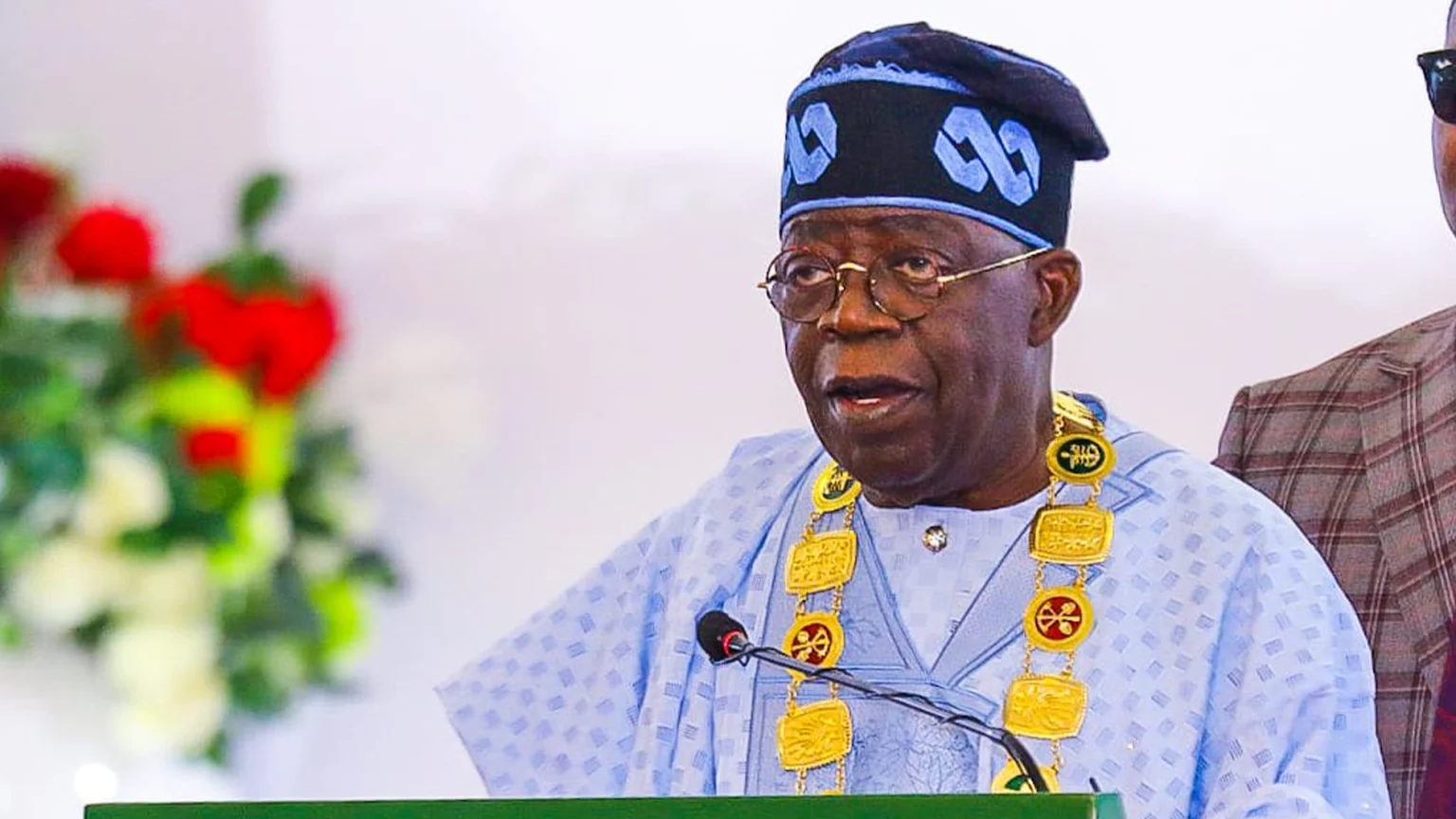
The Centre for Humanitarian and Homeland Advancement has defended President Bola Ahmed Tinubu over the appointment of retired Major General Adeyinka Famadewa as Special Adviser on Homeland Security, describing criticisms surrounding the decision as misplaced and disconnected from the realities of modern security governance.
The group was reacting to comments credited to Femi Otubanjo, a research professor at the Nigerian Institute of International Affairs, who reportedly argued that the appointment reflected failure within the administration’s approach to insecurity.

Speaking in an interview on ARISE News on Thursday, Otubanjo said the appointment of Famadewa reflected deeper structural problems within Nigeria’s security management framework.
“There’s no doubt that the appointment of Adeyinka Famadewa is a statement or an admission of failure,” he said.
Otubanjo argued that the federal government should have considered establishing a Homeland Security Bureau or Directorate instead of appointing another adviser.
But in a statement made available to The Guardian on Friday and signed by its Executive Director, Maurice Ayobami, the organisation argued that the creation of the office should instead be viewed as a strategic response to increasingly complex security threats confronting the country.
According to the Centre, contemporary security risks including terrorism, cybercrime, organised transnational crime, sabotage of critical infrastructure and intelligence coordination challenges require governments to continuously adapt their institutional structures.
“To interpret the appointment of a Special Adviser on Homeland Security as an admission of failure is to fundamentally misunderstand the nature of contemporary security management,” Ayobami said.
“Serious governments evolve. Serious administrations review their structures, identify emerging gaps, and create mechanisms capable of improving coordination, intelligence integration, and rapid strategic response. That is exactly what this administration has done.”
The group argued that many advanced democracies have continued to redesign homeland security structures because of evolving security threats, adding that Nigeria cannot afford to remain static while threats become increasingly decentralised and technologically sophisticated.
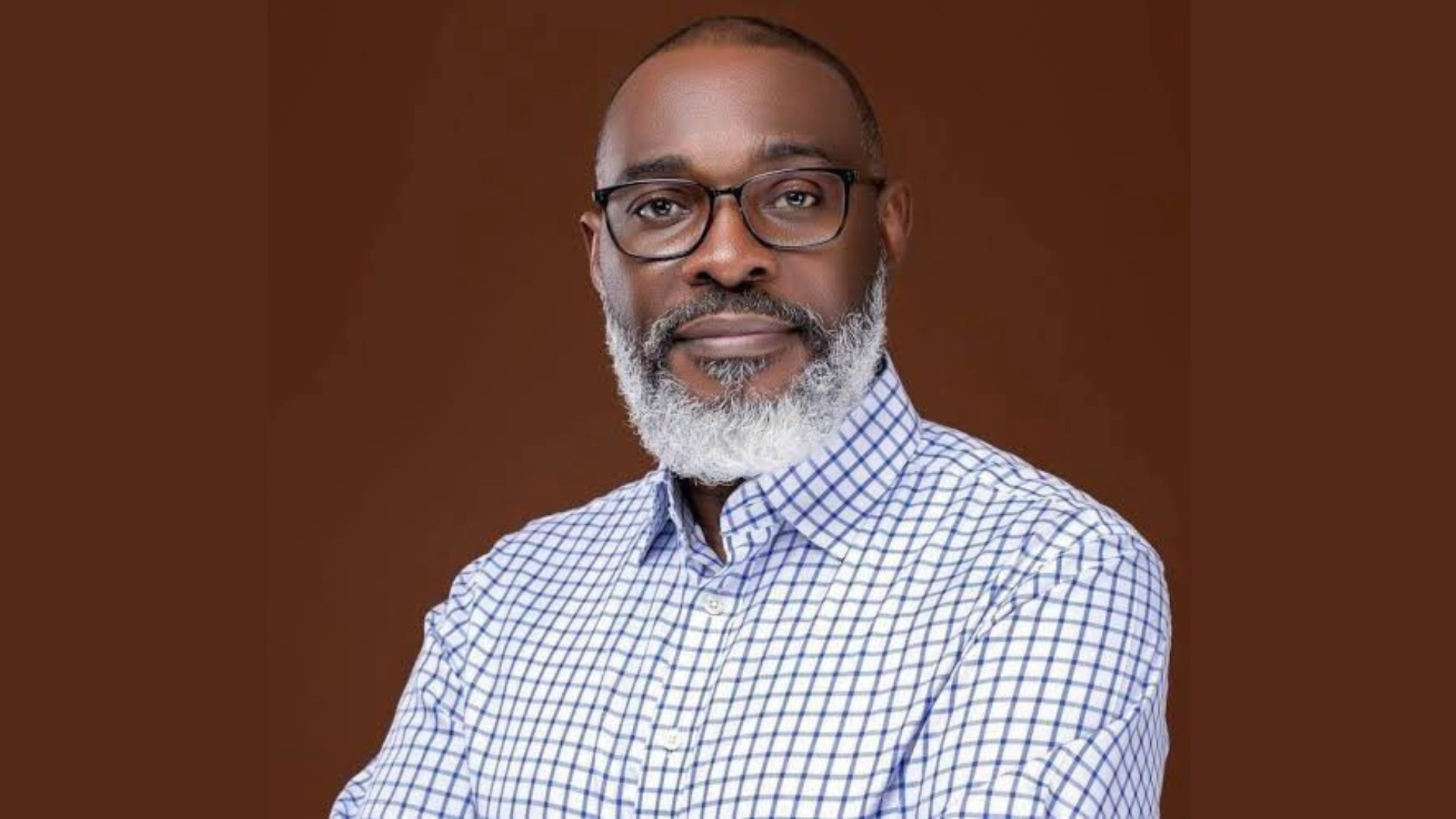
Ayobami also rejected claims that the new office would duplicate existing security institutions, insisting that the role is primarily strategic and coordinative rather than operational.
“The Special Adviser on Homeland Security is not being appointed to command military formations or override existing agencies,” he said.
“The role is strategic and advisory, aimed at deepening intelligence coordination, improving homeland risk assessment, and strengthening synergy among critical institutions.”
The Centre further described Famadewa’s appointment as one based on competence and institutional experience, citing his previous work at the Office of the National Security Adviser, particularly in relation to intelligence coordination and the establishment of the Intelligence Fusion Centre.
“At a time when security threats are becoming more interconnected and multidimensional, it is only logical for the administration to bring in individuals with deep institutional memory and proven coordination expertise,” Ayobami added.
The organisation also argued that Nigeria’s security challenges cannot be reduced to a single office or appointment, noting that the country’s security situation is shaped by multiple structural issues, including porous borders, arms proliferation, economic pressures and regional instability.
According to the Centre, the Tinubu administration should instead be credited for attempting to modernise coordination frameworks rather than relying solely on older security models.
“No responsible government confronted with evolving threats would continue operating with static frameworks,” Ayobami said. “What the President has done is demonstrate strategic flexibility and administrative courage by strengthening the homeland security coordination process.”
The group urged Nigerians to assess the appointment within the broader context of long-term security reform and institutional strengthening rather than through partisan political interpretations.
It also called for sustained public engagement around national security reforms, stressing that effective security governance requires continuous policy innovation and improved coordination among institutions.

