 Follow Us on Google News
 Follow Us on Google Discover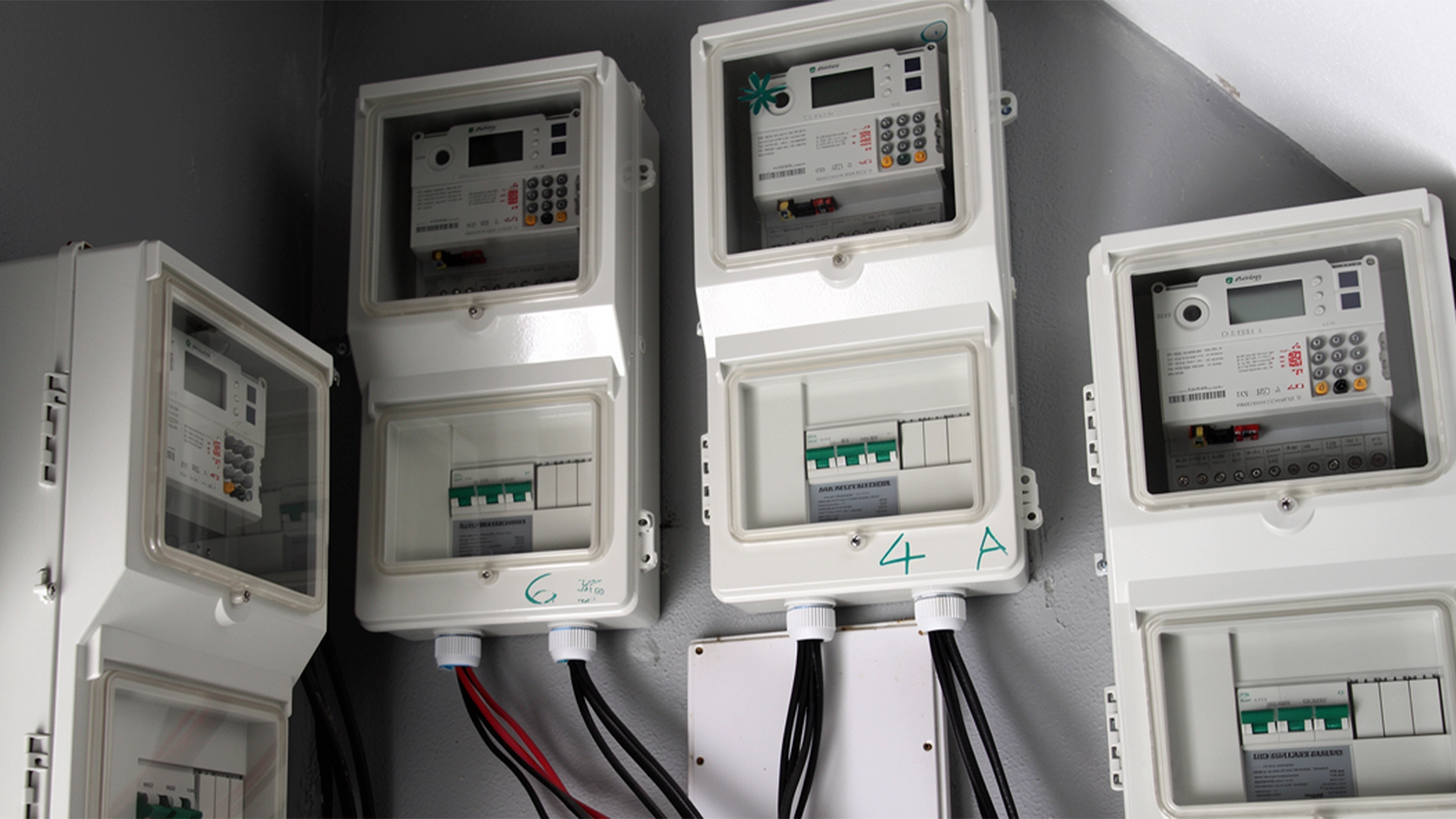
More than 72 per cent of electricity distribution companies (DisCos) in Nigeria failed to meet acceptable metering thresholds as of February 2026, leaving more than five million consumers exposed to estimated electricity billing.
Latest industry data released by the Nigerian Electricity Regulatory Commission (NERC) yesterday showed that only Abuja, Eko and Ikeja, out of the 11 DisCos, met the benchmark.
This implies that roughly 72.7 per cent of the utilities are still operating below that level, a development that continues to trap most consumers under arbitrary billing and create a lack of transparency in the heavily indebted power sector.
At the national level, total active electricity customers rose from 12.23 million in January to 12.31 million in February 2026. Of this figure, only 7.21 million customers were metered as of February, translating to a metering rate of 58.57 per cent, up slightly from 57.93 per cent in January.
Within the two months, DisCos added 241,590 meters — 119,792 in January and 121,798 in February — a pace of progress that falls below the Federal Government’s promises.
A breakdown of performance across the DisCos showed that Eko DisCo recorded the highest metering rate at 87.62 per cent, closely followed by Ikeja at 87.16 per cent. Abuja DisCo also posted a relatively strong performance at 79.37 per cent.

However, the majority of operators remain far behind. Yola DisCo posted the lowest metering rate at 31.86 per cent, followed by Jos at 34.04 per cent, Kano at 35.37 per cent and Kaduna at 35.59 per cent. These four utilities, all in northern Nigeria, continue to lag significantly, raising concerns about regional inequality in service delivery.
Other mid-tier performers include Port Harcourt DisCo at 66.36 per cent, Benin at 56.75 per cent, Ibadan at 52.23 per cent and Enugu at 51.83 per cent, all below the 70 per cent benchmark.
These figures imply that more than five million electricity customers remain unmetered, exposing them to estimated billing. Industry data indicates that the number of customers without meters stood at about 7.2 million as of 2024, showing that the pace of closing the gap remains slow.
Coming amid multiple interventions and funding initiatives, DisCos installed 542,738 meters in 2024, a decline from 609,585 in 2023. Earlier years recorded slightly better performance, with 672,539 meters installed in 2021 and 850,000 in 2022. On average, the sector has delivered about 668,715 meters yearly over the past four years.
At this pace, it would take nearly eight years to bridge the existing metering gap, a projection that does not account for new customers entering the system.
The slow rollout persists despite significant financial support from both the government and development partners. In November 2025, the Federal Government secured a $500 million World Bank credit aimed at strengthening the financial and technical capacity of DisCos, with a large portion earmarked for metering.
Earlier, in mid-2023, the World Bank also launched a $155 million programme to deliver 1.2 million meters. In addition, about N21 billion has been mobilised under the Meter Asset Financing (MAF) scheme, funded through end-user tariffs approved by the Nigerian Electricity Regulatory Commission.
The Presidential Metering Initiative has been allocated about N700 billion from the Federal Account, while the National Mass Metering Programme received N59.3 billion to accelerate meter deployment nationwide.

