 Follow Us on Google News
 Follow Us on Google Discover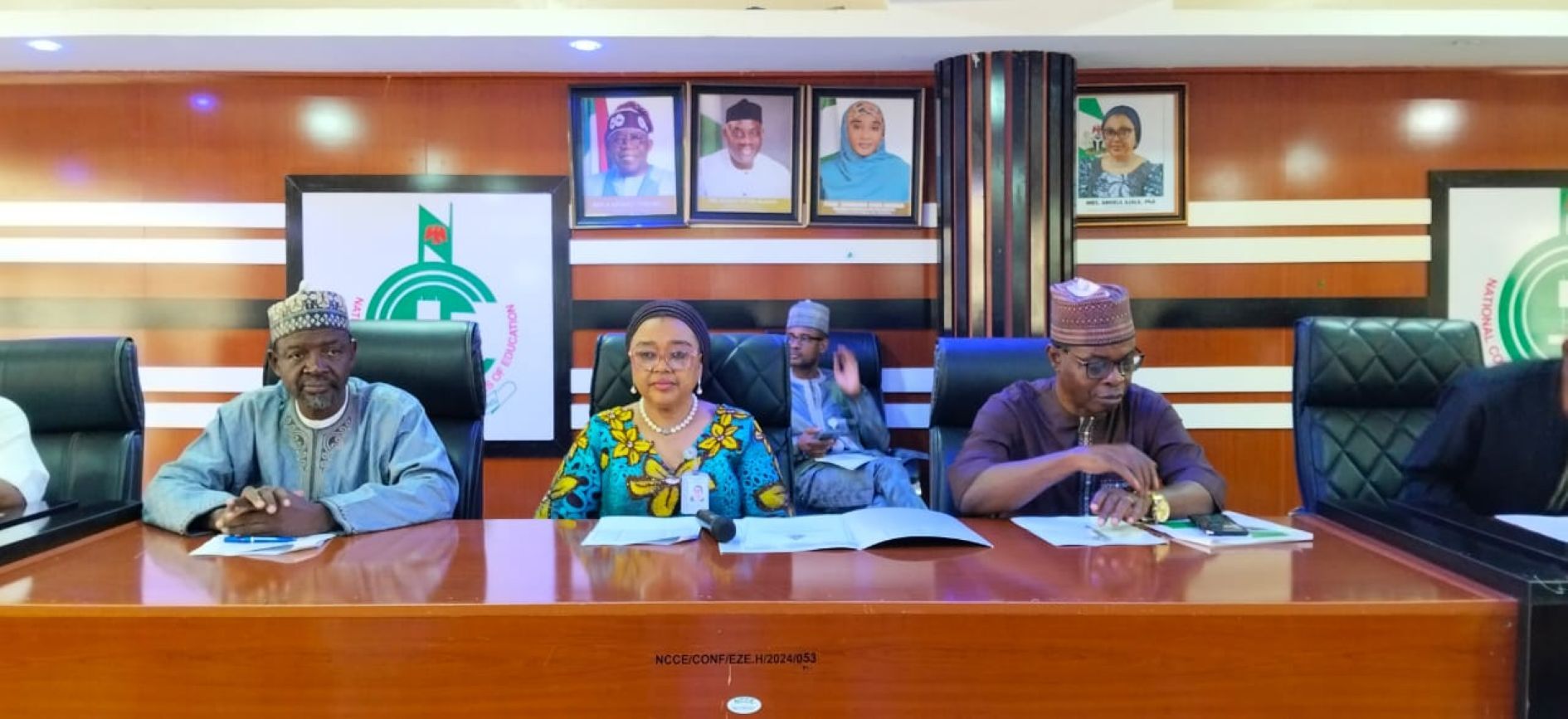
The Executive Secretary of the National Commission for Colleges of Education (NCCE), Dr. Angela Ajala, has unveiled an ambitious reform agenda aimed at repositioning teacher education in Nigeria.
She emphasised that strengthening the country’s education system has become a matter of national survival.
Speaking during a media parley with journalists in Abuja on Friday, Dr Ajala said the commission was moving beyond its traditional role as a compliance regulator to become a development-focused institution committed to improving educational outcomes in classrooms across the country.
According to her, the era when accreditation was measured only by paperwork and institutional compliance is no longer sufficient. She stressed that the real test of teacher education reforms should be reflected in the quality of teaching and learning taking place in Nigerian schools.
Ajala said the commission’s new direction would place stronger emphasis on practical outcomes, innovation and relevance, particularly as the country grapples with evolving educational and technological realities.
She identified the implementation of the Dual Mandate policy as a key component of the reform programme, noting that the initiative empowers qualified and well-established Colleges of Education to award degree certificates independently within approved guidelines.

Under the arrangement, students will undergo a five-year academic programme consisting of a three-year Nigeria Certificate in Education (NCE) course followed by a two-year Bachelor of Education (B.Ed) degree programme.
Describing the policy as one of the most significant reforms in Nigeria’s teacher education sector in decades, the Executive Secretary said it would strengthen the status of Colleges of Education and widen opportunities for students seeking professional teaching qualifications.
She noted that the reform was designed to eliminate the long-standing perception that Colleges of Education are inferior to universities, insisting that students who choose the institutions should no longer feel academically or professionally disadvantaged.
Ajala also disclosed that the curriculum for teacher education was being comprehensively reviewed with the National Universities Commission (NUC) to reflect modern realities and global standards. According to her, future teachers must be equipped with skills in digital literacy, artificial intelligence, entrepreneurship, competency-based learning and inclusive education.
“We are preparing teachers for the world that exists today, not the world that has passed,” she said.
On admission processes, the NCCE boss revealed that ongoing reviews are targeted at removing unnecessary administrative bottlenecks without lowering professional standards for entry into the teaching profession.
She maintained that while the commission wants teaching to remain accessible to passionate and capable candidates, the profession must continue to uphold competence, quality and responsibility.
Ajala further described the media as a critical partner in the reform process, urging journalists and stakeholders to help change negative narratives surrounding teaching and teacher education in Nigeria.
She called on state governments, governing councils, unions, parents, development partners, traditional institutions and the organised private sector to support the reforms.
“Teacher education is too important for silence. Teachers need dignity, students need motivation, classrooms need competence and Nigeria needs a stronger teacher pipeline,” she said.

