 Follow Us on Google News
 Follow Us on Google Discover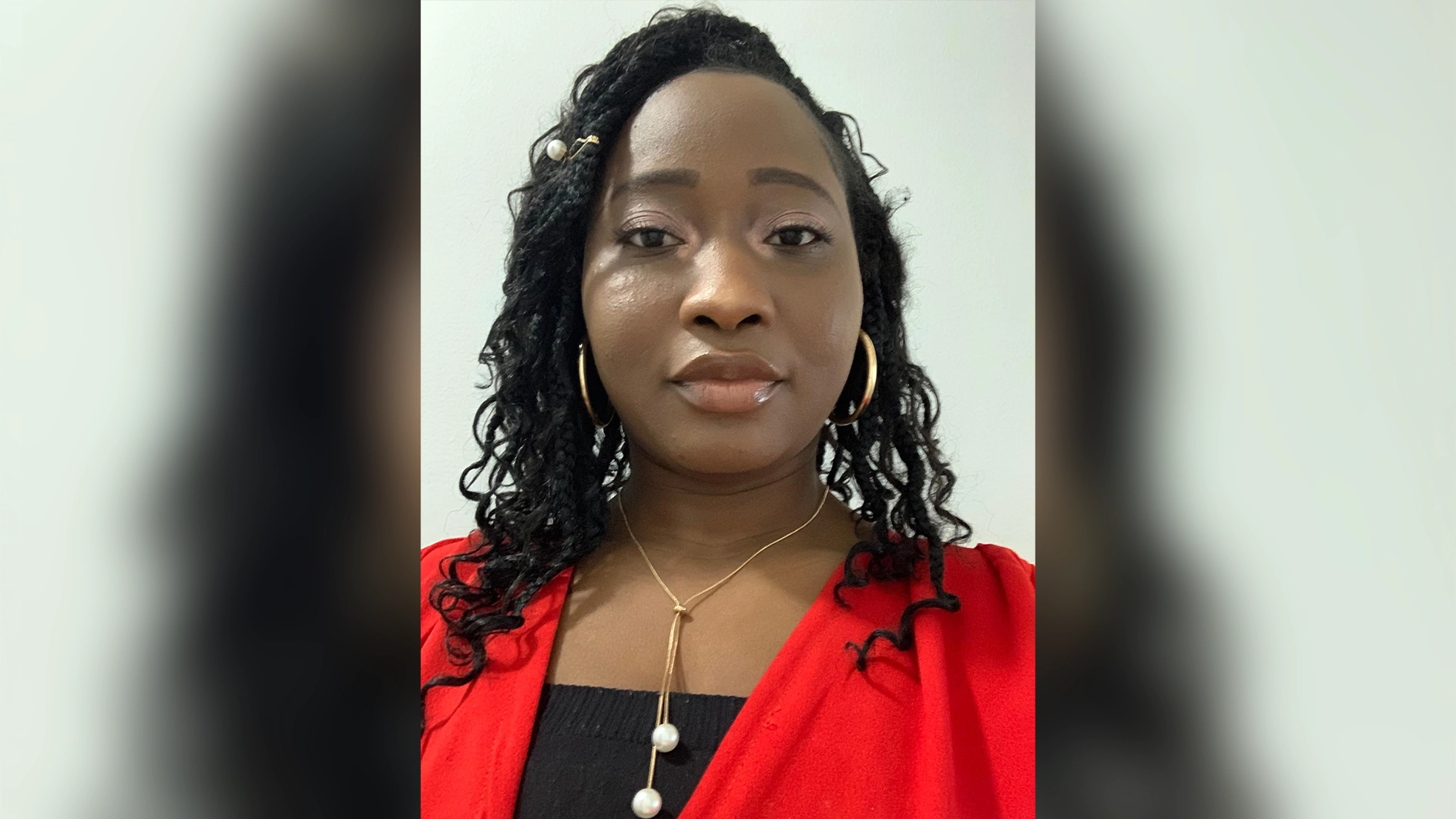
In a world that too often underestimates African women in science, Eweama Chinonso Roselyn has built a career that demands to be noticed. From performing HIV tests in a Jos teaching hospital to publishing peer-reviewed research in an international journal that is forcing policymakers to confront an inconvenient truth, her journey is not a story of luck. It is a story of a woman who looked at one of the deadliest crises of our time, decided that the official explanations were not good enough, and went looking for the real ones.
A Nigerian-born public health scientist has published a peer-reviewed study identifying the structural and social forces that continue to block millions of people living with HIV from accessing testing and treatment, findings that researchers and health advocates say carry urgent implications for national HIV programmes across Africa.
Eweama Chinonso Roselyn, a graduate of Federal University of Technology Owerri and Western Illinois University where she obtained a Master of Public Health, is the author of a 2024 paper titled “Systematic Review of Structural and Social Determinants Influencing HIV Testing and Treatment Engagement,” published in the International Journal of Scientific Research in Humanities and Social Sciences.
The paper argues that the persistent gap between people who need HIV care and those who actually receive it cannot be explained by medical failure alone. According to the research, the barriers are structural and social in nature, rooted in how health systems are designed, how communities respond to diagnosis, and how poverty, law, and gender inequality determine who gets treatment and who does not.
On the structural side, the study found that healthcare facilities in high-burden communities are frequently inaccessible by geography, under-resourced, and governed by legal frameworks that criminalise the very populations most at risk. Policy designs, the paper notes, often assume a patient with reliable transport, available time, and financial stability, assumptions that exclude large portions of the population in low and middle-income settings.
The social findings are equally pointed. The research identifies stigma as one of the most consequential barriers to HIV testing, noting that in communities where a positive diagnosis risks social rejection, family breakdown, or job loss, many individuals make a calculated decision to avoid testing altogether. Gender inequality compounds the problem further. Women who suspect they may be HIV positive frequently cannot seek testing without spousal knowledge or approval, and where disclosure carries the risk of violence or abandonment, silence becomes the safer option.

The paper further establishes that these structural and social barriers do not operate in isolation. They interact and reinforce each other in ways that single-focus interventions consistently fail to address. A person navigating stigma is often also navigating poverty. A person in a criminalised community is also navigating a health system that offers no confidentiality guarantee. The study concludes that effective HIV strategies must tackle both dimensions simultaneously or risk producing results that look good on paper while leaving the most vulnerable behind.
For Nigeria, widely recognised as one of the countries with the most significant HIV challenges in West Africa, the research speaks directly to longstanding concerns about why demand-creation campaigns have repeatedly fallen short. The paper’s framework points to the need for reforms not only in clinic design and service delivery but in the legal protections extended to people living with HIV and the social environments in which they make decisions about their health.
Eweama Chinonso Roselyn holds a Bachelor of Technology in Microbiology from Federal University of Technology Owerri and is a certified HIV testing and navigation specialist trained by the Illinois Department of Public Health. She began her public health career conducting laboratory work at Jos University Teaching Hospital during her National Youth Service Corps year, where she performed routine HIV testing and collected samples from pregnant women in antenatal care. That experience, she has indicated, shaped the questions that would eventually drive her into research. The paper published in 2024 is her answer to what she witnessed on those clinic floors.

