 Follow Us on Google News
 Follow Us on Google Discover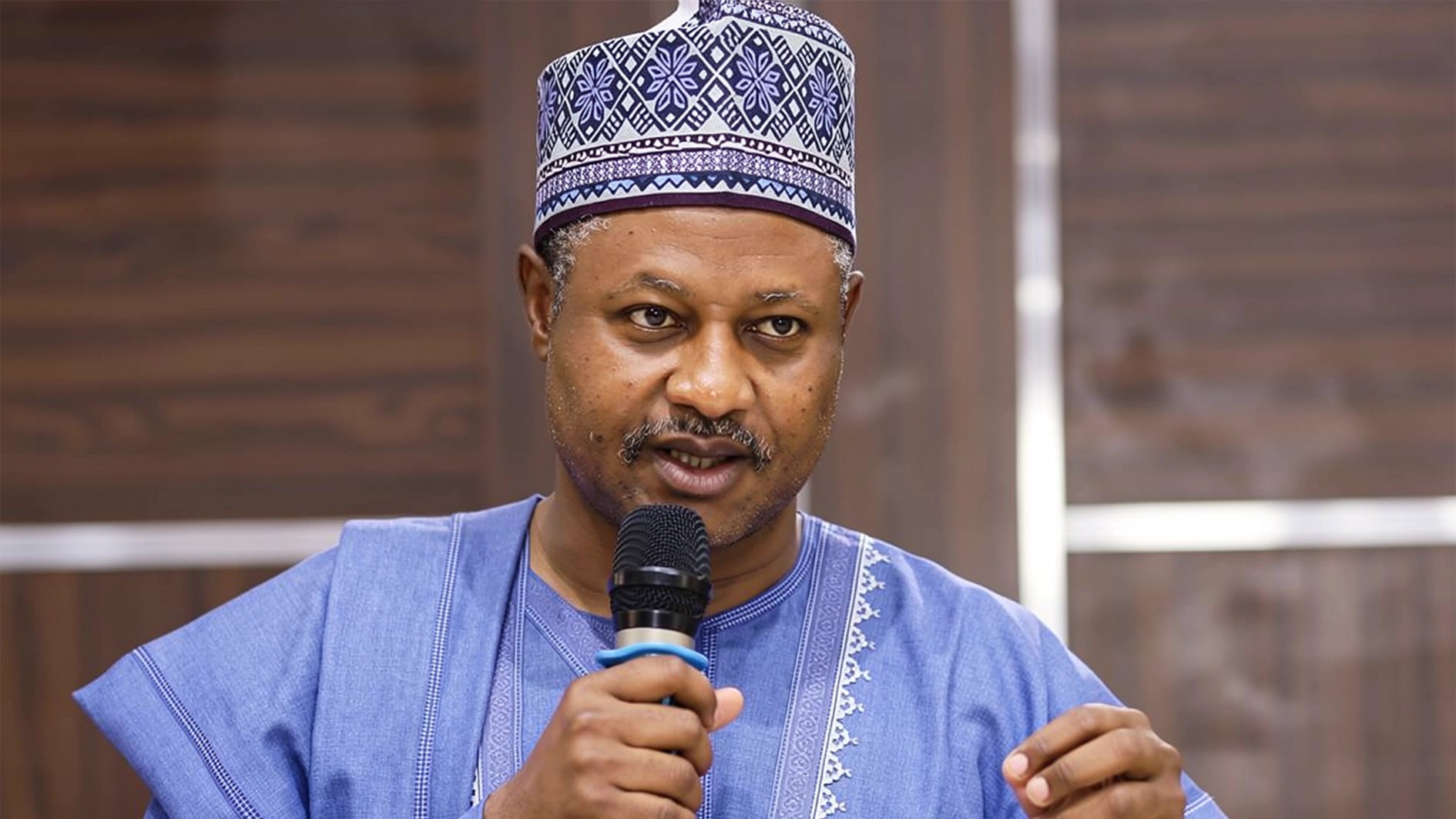
Ahead of the 2027 governorship election in Kaduna State, simmering discontent within the ruling All Progressives Congress (APC) over consensus arrangements, alleged candidate imposition and widening elite rivalries is threatening party cohesion, despite Governor Uba Sani’s growing political dominance, SAXONE AKHAINE reports.
Fresh political tensions are brewing within the ruling All Progressives Congress (APC) in Kaduna State ahead of the 2027 general elections, as disagreements over the adoption of consensus arrangements in the party’s primaries continue to expose cracks within the governing political structure.
At the centre of the unfolding battle is Governor Uba Sani, whose growing political influence within the state APC has generated both admiration and resistance among party stakeholders, especially among aspirants who believe the consensus arrangement being promoted by the party leadership is being used to edge them out of the contest.
Though Sani appears firmly in control of the party machinery in Kaduna, recent developments suggest that beneath the surface lies simmering resentment that could escalate into a wider intra-party crisis if not carefully managed before the 2027 governorship election.
The controversy surrounding the APC primaries for Senate and House of Representatives positions has already deepened suspicion among many party faithful, who believed that candidates loyal to the governor and his political allies were used to edge them out.
While the Kaduna governor has repeatedly defended consensus as a legitimate democratic mechanism recognised by the Electoral Act and the APC constitution, critics insist that the process in the state has allegedly been manipulated to favour preferred aspirants.
The disagreement reflects a larger struggle for political relevance and control of the APC structure in a state that has historically remained one of the most politically volatile in northern Nigeria.
Since the return of democracy in 1999, Kaduna politics has been shaped by powerful blocs, ethnic balancing, religious considerations, and elite alignments between the North and South of the state. The state’s political history has also been characterised by fierce contests between political godfathers, governors and emerging interest groups.
For Governor Sani, who succeeded former governor Nasir el-Rufai in 2023 after a highly contentious election, the challenge is not only about securing re-election but also consolidating control over a party structure that still contains remnants of rival tendencies.
Although el-Rufai played a major role in Sani’s emergence as governor, relations between the two camps have deteriorated significantly, leading to intense speculation about underground political realignments ahead of 2027.
The widening gap between the former governor’s loyalists and the present administration has continued to shape political conversations in Kaduna, particularly as some politicians loyal to El-Rufai are believed to be uncomfortable with the governor’s growing alliance with previously marginalised political actors within the state.
Sani has, however, continued to strengthen his political base through strategic reconciliations and broad consultations across Kaduna Central, Kaduna North and Southern Kaduna.
His administration has particularly gained support from political actors in Southern Kaduna, a region that historically complained of marginalisation under previous administrations.
The governor’s appointments, infrastructure projects and security engagements in parts of Southern Kaduna have been viewed by many stakeholders as deliberate attempts to bridge old political and ethnic divisions in the state.
This has contributed largely to the growing acceptance he currently enjoys among some influential political figures who were previously aligned with the opposition.
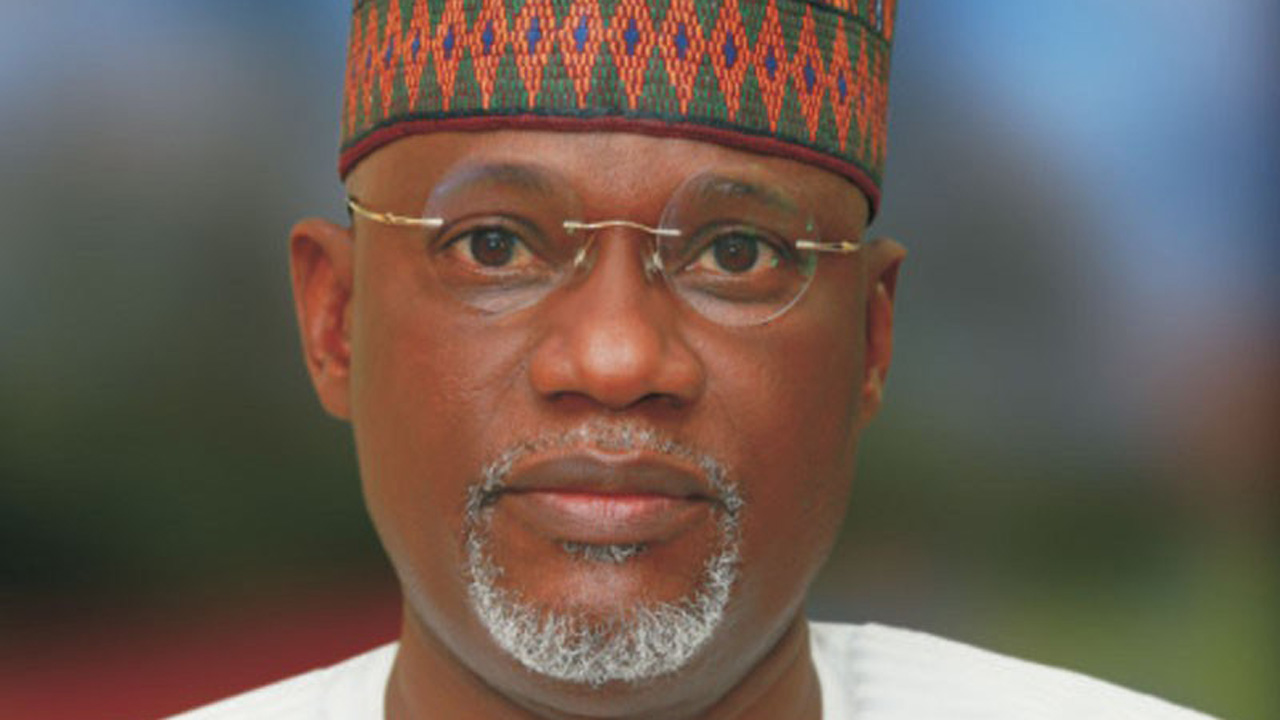
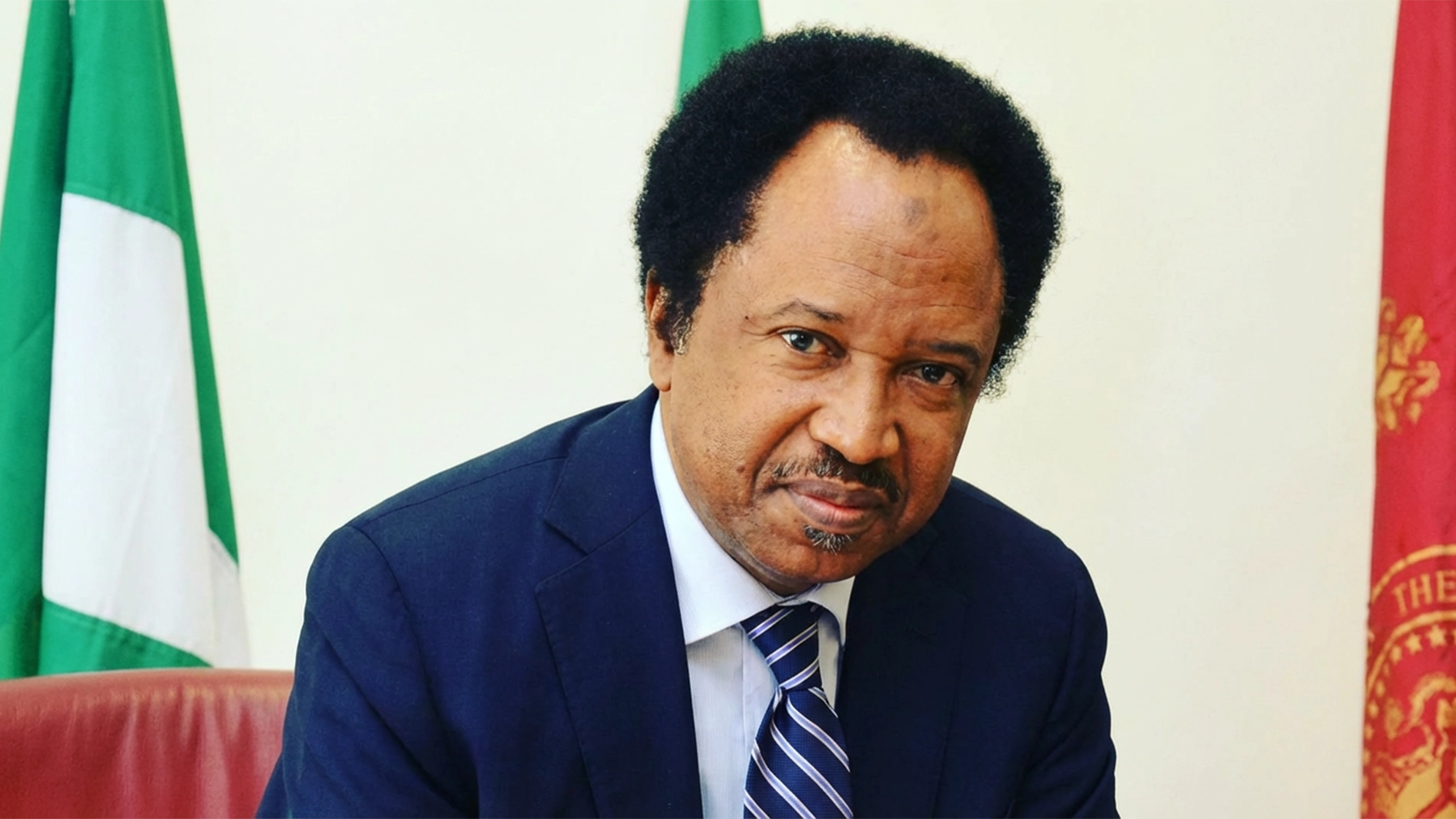
Notably, Shehu Sani and former APC chieftain, Suleiman Hunkuyi, who once operated outside the mainstream APC structure in Kaduna, are now reportedly working closely with Governor Sani ahead of the next election cycle.
Similarly, political insiders in Kaduna believe that former Vice President Namadi Sambo and former governor Ahmed Makarfi have quietly softened their opposition to the APC administration in the state, especially regarding President Bola Tinubu and Governor Sani’s leadership style.
The governor is also believed to be benefiting from the current weakness and fragmentation within the opposition camp in Kaduna.
The Peoples Democratic Party (PDP), which remains the major opposition force in the state, has continued to struggle with internal disagreements and leadership challenges after the 2023 elections.
Although the PDP governorship candidate in 2023, Isa Ashiru, is still regarded as a major opposition figure in the state, the party has not fully recovered from the divisions that trailed the last election.
The emergence of the opposition coalition under the African Democratic Congress (ADC) has also, so far, failed to generate the momentum capable of seriously threatening the APC’s dominance in Kaduna.
Compounding the opposition’s challenge are the corruption allegations and investigations linked to some political figures associated with the previous Kaduna administration.
The controversies surrounding alleged financial mismanagement during el-Rufai’s eight-year administration, alongside accusations of human rights abuses and high-handed governance, have continued to dominate political discussions in parts of Kaduna State.
Critics of the opposition insist that such issues may weaken attempts to market a fresh political alternative against Governor Sani in 2027.
Despite these advantages, however, the Kaduna governor is still facing mounting pressure from within his own party.
The strongest resistance has come from aggrieved APC aspirants and stakeholders who argue that the consensus arrangement adopted during the National Assembly primaries lacked transparency and adequate consultation.
The grievances became more pronounced after a coalition of APC aspirants publicly petitioned the party’s national leadership over the conduct of the primaries.
Operating under the APC Coalition of Kaduna Senatorial and House of Representatives Frontline Aspirants, the group accused party leaders in the state of undermining internal democracy.
At a press conference in Kaduna, the coalition urged the APC’s national leadership to intervene and review the outcomes of the primaries in some federal constituencies and senatorial districts.
The protest letter was signed by notable political figures, including former Senator Danjuma Laah, former Speaker of the Kaduna State House of Assembly, Yusuf Zailani, northern activist Yerima Shettima and Sani Abdulkadir Dakace.
The coalition maintained that although consensus remained part of democratic practice, the process must comply strictly with the Electoral Act and the APC constitution.
According to the aggrieved aspirants, several stakeholders were allegedly sidelined during consultations, leading to the emergence of some consensus candidates.
They warned that failure to address grievances arising from the primaries could trigger anti-party activities that could affect the APC’s electoral fortunes in Kaduna during the presidential and governorship elections.
The development has revived memories of past internal crises within the APC in Kaduna, particularly the disputes that characterised the party during el-Rufai’s administration.
Kaduna APC has historically struggled with factional politics, defections and personality clashes among influential politicians competing for dominance.
Analysts believe that if reconciliation efforts fail, some disgruntled politicians may quietly work against the party during the elections or even align with rival political platforms.
There are also concerns that the tension over consensus arrangements may worsen existing regional and ethnic political sensitivities in Kaduna.
Southern Kaduna, for instance, remains strategically important due to its voting strength and longstanding agitation for inclusion in governance.
Any perception of exclusion or political manipulation within the APC could potentially reopen old distrust among stakeholders in the zone.
Likewise, politicians from Kaduna North and Central are carefully monitoring the balance of appointments, nominations and political patronage within the party ahead of 2027.
Beyond the internal APC battles, governance issues are also expected to shape political debates in Kaduna ahead of the elections. Security remains one of the biggest challenges confronting the state despite improvements recorded in some areas under Governor Sani’s administration.
Parts of Birnin Gwari, Giwa, Chikun, Kajuru and Igabi local councils have continued to experience incidents of banditry, kidnappings and attacks on rural communities.
Although the state government has intensified collaboration with security agencies and traditional institutions, residents in several communities still complain about insecurity and economic hardship.
Economic concerns arising from inflation, rising transportation costs and the impact of fuel subsidy removal are also likely to influence voter behaviour in 2027.
Kaduna, being one of the major commercial and industrial centres in northern Nigeria, has not been insulated from the broader economic challenges confronting the country.
Traders, civil servants and artisans have continued to lament the rising cost of living, while unemployment among youths remains a major concern across urban and rural communities.
Nevertheless, supporters of Governor Sani insist that his administration has demonstrated greater openness and inclusiveness compared to previous governments in the state.
They point to ongoing road projects, rural development programmes, educational interventions and peace-building engagements as evidence that the governor has maintained a people-oriented approach to governance.
Many of his loyalists also believe that his close relationship with President Tinubu and the APC’s national leadership puts him in a stronger political position ahead of 2027.
For now, Governor Sani appears determined to project confidence despite the growing internal opposition.
In defending the consensus arrangement, the governor recently stated that no aspirant was forced into a consensus without agreement from all parties involved.
According to him, when consensus fails, democratic contests remain the legitimate option for aspirants.
He also acknowledged that governors, like every politician, may naturally have preferred candidates, but insisted that party members ultimately decide who emerges in elections.
The coming months will, however, determine whether the APC leadership in Kaduna can successfully manage the grievances arising from the primaries and prevent deeper fractures within the party.
With the opposition still battling internal weaknesses, the APC remains the dominant political force in Kaduna. However, history has shown that unresolved internal crises pose a greater threat to ruling parties than external opposition.
As preparations gradually gather momentum for the 2027 elections, Kaduna is once again emerging as one of the key battlegrounds in northern Nigeria, where consensus politics, elite rivalries, regional interests and governance performance may ultimately shape the outcome of the governorship contest.

