 Follow Us on Google News
 Follow Us on Google Discover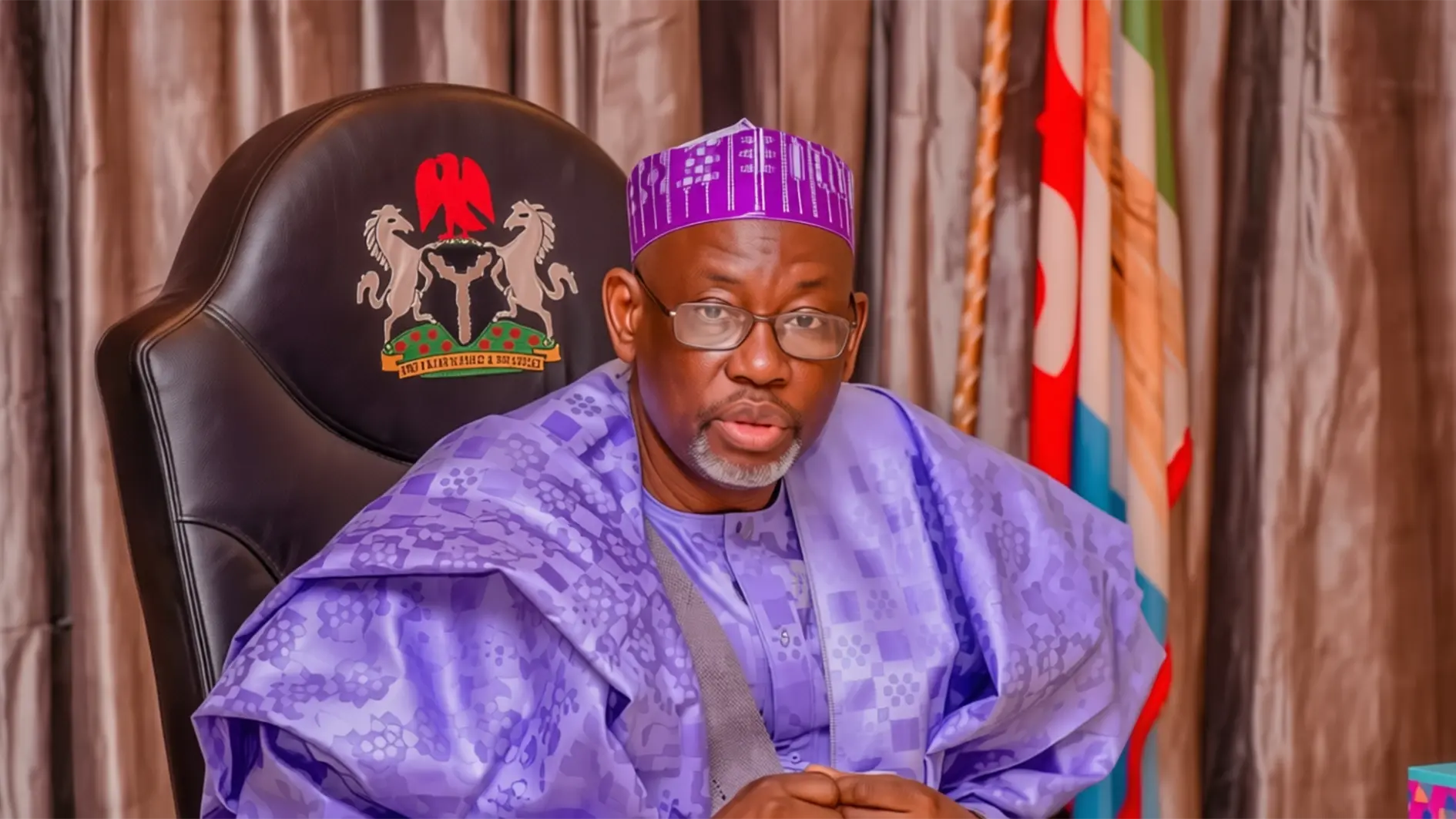
By Dahiru Suleiman, Dutse
Governor Umar Namadi’s first three years has focused its attention on three critical infrastructure such as Agricultural Investment, Women and Youths Empowerment under human capital development for future development.
In a statement written and signed by Governor Namadi’s SA New Media Garba Muhammad stated For decades, Jigawa State has struggled with one of the highest poverty rates in Nigeria, saying this inform the government creating several innovations towards stimulating the state’s citizen’s agricultural potentialities for increased massive Agricultural production for the sustainable of sufficiency in food production and security.
Apart from Agriculture, the government of Governor Umar Namadi has equip, modenise and make available essential assorted drugs to most of the state’s health facility’s for the citizenry get accessed healthcare and education, Through empowerment, agricultural modernization, infrastructure development, youth engagement, and investment in human capital, Jigawa is gradually moving from decades of deprivation toward a future filled with opportunity and hope.
According to SA Muhammad, For decades, Jigawa State has struggled with one of the highest poverty rates in Nigeria. Despite abundant agricultural land, a hardworking population, and strategic opportunities, the state consistently lagged behind in key human development indicators. Rural communities faced poor infrastructure, limited access to healthcare and education, and high unemployment, leaving millions trapped in cycles of deprivation.
But in just three years, Governor Malam (Dr.) Umar A. Namadi, FCA, has begun to rewrite that narrative. His administration’s approach combines targeted empowerment, agricultural transformation, infrastructure development, social investment, and human capital initiatives — all aimed at providing citizens with real opportunities to improve their livelihoods.

Tackling a Long-Standing Challenge
When Governor Namadi took office in May 2023, he inherited a state facing deep socio-economic hurdles. Rural poverty was widespread, youth unemployment was high, and many communities were cut off from basic services and markets.
Rather than focusing solely on temporary relief programs, his administration adopted a comprehensive strategy designed to address both immediate hardships and long-term structural issues. The focus was clear: create sustainable pathways out of poverty through employment, entrepreneurship, productivity, and skills development.
Empowering Citizens for Economic Independence
A key feature of the administration has been its large-scale empowerment programs targeting women, youths, small-scale entrepreneurs, and other vulnerable groups. Across all 27 local government areas, thousands of residents have benefited from initiatives such as:
Start-up grants and business support
Agricultural inputs and resources
Vocational and skills training programs
Equipment for small and medium enterprises
Financial support for women-led businesses
These programs have helped citizens establish or expand businesses, improve household incomes, and develop the skills needed to participate in the local economy. The approach emphasizes self-reliance and productivity rather than dependency, signaling a shift in how poverty reduction is approached.
Transforming Agriculture to Boost Incomes
Agriculture is the backbone of Jigawa’s economy, employing a large segment of the population. Recognizing this, the government has invested heavily in improving productivity and food security.
Key interventions include:
Subsidized fertilizers and improved seedlings
Support for irrigation and dry-season farming
Mechanized farming services and equipment
Extension services and technical support for farmers
Livestock and poultry development programs
By helping farmers produce more and diversify crops, the administration has not only increased household incomes but also strengthened food security in rural communities. Programs supporting dry-season farming have allowed farmers to generate revenue year-round, directly addressing rural poverty where it is most severe.
Infrastructure: Laying the Foundation for Growth
Governor Namadi understands that economic growth depends on infrastructure. His administration has embarked on extensive road construction and rehabilitation projects, connecting rural communities to urban markets and reducing transport costs.
Improved roads, water supply systems, public buildings, and drainage networks have enhanced the quality of life and facilitated trade. Beyond convenience, these projects generate employment for local laborers, artisans, and contractors, further stimulating the local economy.
Investing in Youth and Job Creation
Youth unemployment remains a pressing issue in Nigeria. To address this, the administration has launched programs aimed at developing skills, fostering entrepreneurship, and promoting digital literacy. By engaging the private sector and encouraging small business development, young people are gaining opportunities to become self-reliant and innovative.
These initiatives are helping build a culture of productivity and enterprise among the state’s youth, creating the next generation of skilled workers and business owners.
Strengthening Education and Human Capital
Sustainable poverty reduction requires investment in people. The government has focused on improving educational infrastructure, recruiting teachers, renovating schools, and providing learning materials.
Scholarships and targeted support programs have opened doors for students from disadvantaged backgrounds. By prioritizing education, the administration is laying the foundation for long-term socio-economic progress and breaking cycles of intergenerational poverty.
Supporting the Most Vulnerable
Recognizing that market-driven approaches cannot reach everyone, the administration has maintained programs targeting widows, the elderly, people with disabilities, and economically disadvantaged families. These interventions provide a social safety net that ensures no group is left behind while broader development initiatives take hold.
Healthcare and Community Wellbeing
Poor health is a major driver of poverty. In response, Governor Namadi has prioritized healthcare improvements, investing in primary healthcare facilities, medical equipment, and personnel. Expanded access to healthcare services has resulted in healthier communities and a more productive workforce.
A New Economic Narrative
Three years into this administration, Jigawa’s trajectory is shifting. Citizens are witnessing tangible improvements in agriculture, business opportunities, infrastructure, education, and healthcare. While poverty has not disappeared overnight, progress is evident across communities.
The administration’s approach highlights a crucial lesson: sustainable poverty reduction comes not from handouts alone, but from empowering people with the tools, skills, and opportunities they need to thrive.
Governor Umar Namadi’s first three years demonstrate what focused, disciplined, and people-centered governance can achieve. Through empowerment, agricultural modernization, infrastructure development, youth engagement, and investment in human capital, Jigawa is gradually moving from decades of deprivation toward a future filled with opportunity and hope.
The journey is far from complete, but the foundation has been laid. For many residents, a new era of possibility has begun — and for the first time in decades, Jigawa’s poverty story is being rewritten.

