 Follow Us on Google News
 Follow Us on Google Discover
Local supply weakens as marketers hold back imports over price differentials
Already burdened households in Nigeria are set to spend over N296.3 billion on cooking gas this June as a deepening supply and availability crisis drives the price of Liquefied Petroleum Gas (LPG) from an average of N1,450 per kilogramme to about N2,050.
The development represents a 41.4 per cent increase within a short period, raising fresh concerns over affordability and energy access for millions of households that rely on LPG as a primary cooking fuel.
Industry stakeholders yesterday warned that the pressure on prices might persist despite expectations of fresh supply, including three cargoes expected from the NLNG in the coming weeks.
Data from the Nigerian Midstream and Downstream Petroleum Regulatory Authority (NMDPRA) shows that about 4.8 million kilogrammes of LPG were consumed daily in April at a peak price of N1,450 per kilogramme, translating to N209.5 billion for the month. With prices now hovering around N2,050, total consumer spending on LPG is projected to surge significantly this month by an additional N88 billion.
The Managing Director of Rainoil, Emmanuel Omuojine, attributed the price spike to a combination of global supply disruptions, rising logistics costs and local market constraints.
According to him, the LPG market has been particularly affected by geopolitical developments, which disrupted key supply routes and reduced output from major producing regions.
“Asia, especially India, remains a major consumer of LPG, with much of its supply historically coming from the Middle East. However, recent disruptions have redirected supply flows, with the United States (U.S.) increasing exports to Asia. This has raised premiums globally, particularly for import-dependent countries like Nigeria,” he said.
Omuojine explained that Nigeria’s LPG market operates on a delicate balance between domestic production and imports, with the country consuming about 1.6 million metric tonnes yearly. Historically, around 40 per cent of this volume has been imported.
However, he noted that imports declined sharply in the last two months, at times dropping to near zero, forcing the country to rely heavily on domestic supply, which remains insufficient to meet demand.
While local production from facilities such as NLNG and other gas processing plants has improved over time, he said recent output challenges further constrained supply.
Rising freight and shipping costs, triggered by global tensions, have also contributed to higher landing costs, further discouraging import activity.
Despite these challenges, Omuojine expressed cautious optimism that supply conditions might improve this month as additional cargoes arrive.
An LPG retailer and industry expert, Ifeoluwa Oyinloye, attributed the price surge to market distortions that began months earlier.
According to her, prices crashed in March when Dangote Refinery released significant volumes into the market at competitive rates.
While government interventions, including the removal of Value Added Tax (VAT) on LPG and import duties on cylinders, have provided some relief, Oyinloye said they have had a limited impact on overall prices.
Monthly cooking gas bills soar to N296.3b amid import, domestic supply crisis
Date: 4 June 2026 4:06am WAT
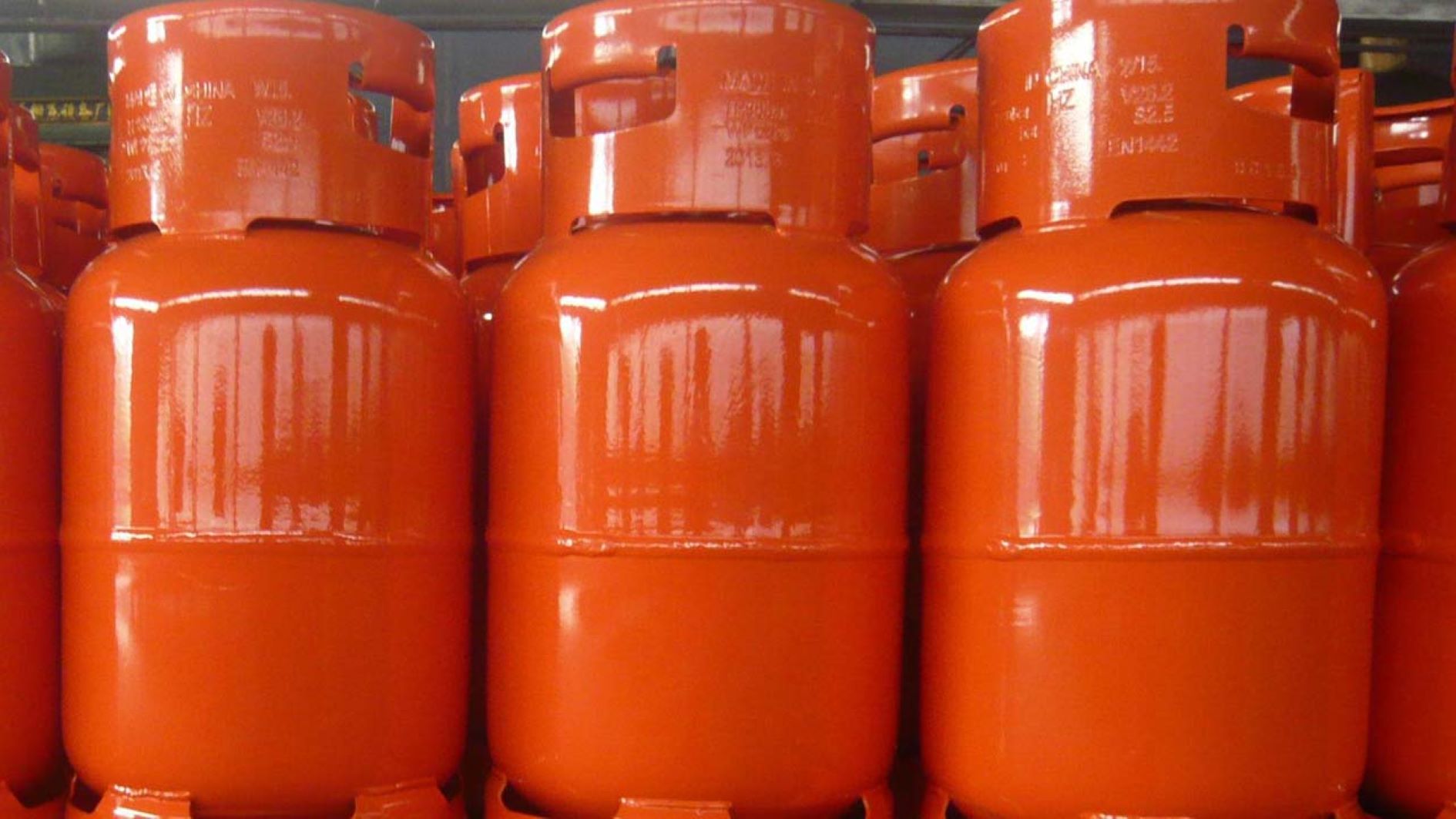
cooking gas
cooking gas

