 Follow Us on Google News
 Follow Us on Google Discover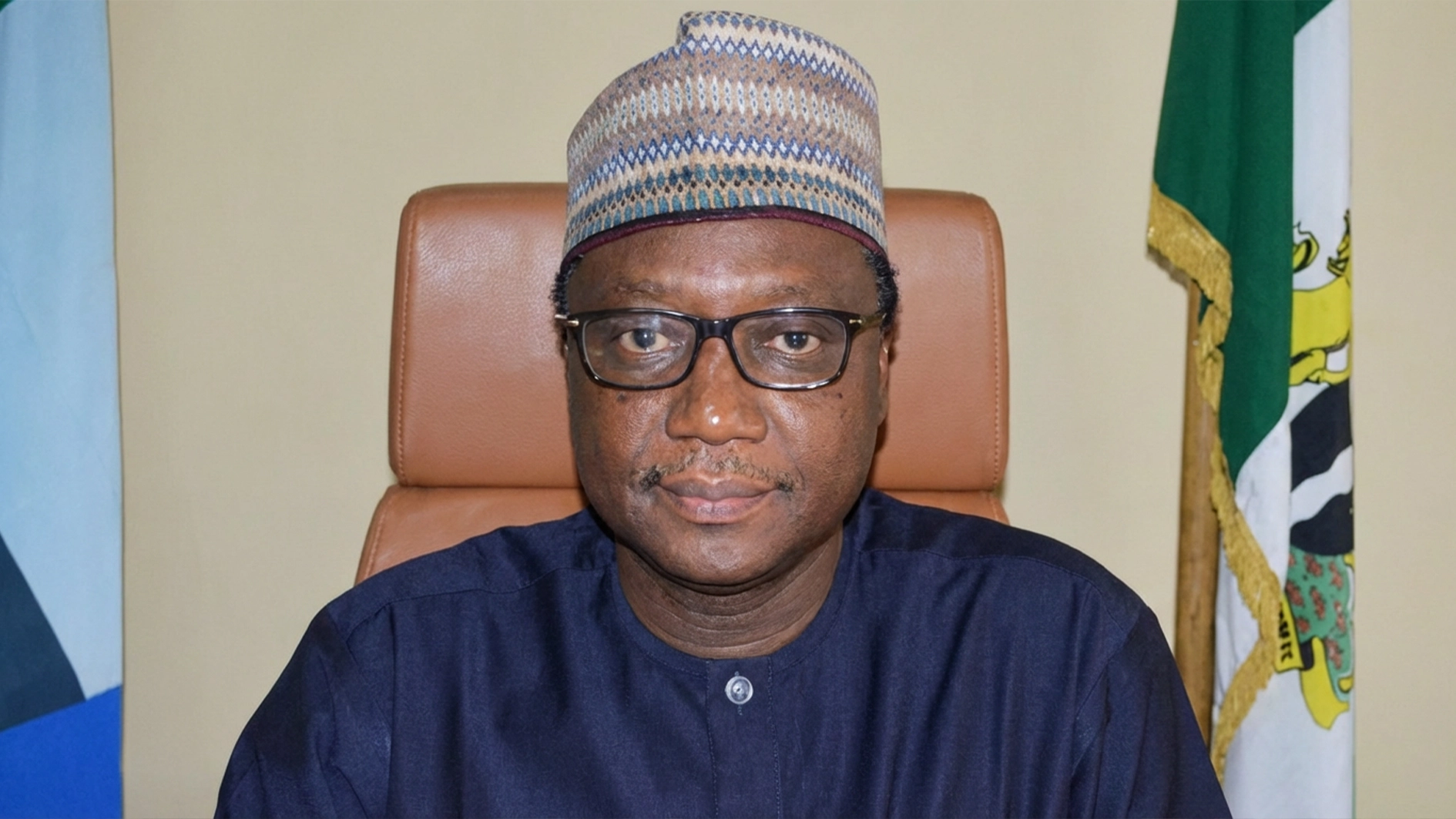
The Revenue Mobilisation Allocation and Fiscal Commission (RMAFC) is yet to complete data verification, a critical part of the promised revenue sharing formula review scheduled for completion last year, in three geopolitical zones.
Last week, the commission moved to Abia state to begin the campaign in the Southeast after concluding 18 states across three zones.
The exercise is part of efforts to review key indices used in the allocation of revenue among the three tiers of government, which was scheduled for completion at the end of last year.
The template has not been reviewed since 1992. Some stakeholders said a more realistic formula was needed to capture the changes seen in nearly three and a half years.
Since 1992, six additional states have been created, a political decision that the revenue sharing has yet to accommodate.
At the current pace of work, there are concerns that the process might not be completed under the current administration.

In August 2025, the RMAFC announced its plan to review the sharing formula, with the end of 2025 projected as the timeline for the review completion.
The commission said it intended to produce a “fair, just and equitable” formula that matches current responsibilities, needs, and capacities of federal, state and local governments.
It noted that the current 52.68:26.72: 20.6 ratios for the Federal Government, states and local governments, respectively, were no longer tenable.
The Chairman of RMAFC, Dr Muhammad Shehu, during a visit to Abia State Governor, Alex Otti, said the exercise was in line with the commission’s constitutional mandate to periodically review the revenue allocation formula and ensure it reflects changing socio-economic realities across the country.
Represented by the Commissioner representing Ekiti State, Omowumi Ogunlola, Shehu said the verification was a critical stage in the review process, focusing on validating and updating data used in determining how national revenue is shared among federal, state and local governments.
He explained that the allocation system relied on a range of indexes designed to promote fairness, equity and justice in the distribution of public resources.
“Over time, socio-economic realities evolve. Population dynamics change; infrastructure expands, development gaps shift and new challenges emerge. It, therefore, becomes imperative that the data underpinning these indexes are periodically verified and updated to reflect present-day realities,” he said.
The RMAFC chairman noted that the review of the revenue allocation formula had reached an advanced stage, making it necessary to verify the integrity and accuracy of existing data.
He recalled that the commission had trained state and local government officials on data management in 2022 and subsequently digitised its data collection processes to improve efficiency and reliability.
According to him, the verification team will work closely with ministries, departments and agencies (MDAs) as well as local government authorities, to ensure the collection of credible and up-to-date information.
The governor reiterated his long-standing advocacy for economic diversification, citing the global transition away from fossil fuels and the need for states to build resilient economies.
He encouraged the RMAFC delegation to visit Aba, describing the commercial city as a hub of innovation and entrepreneurship.
“Our people are hardworking and innovative. There is hardly anything produced elsewhere that they cannot replicate and improve upon,” he said.
Also speaking, the Commissioner for Finance, Uwaoma Ukandu, said the verification provided an opportunity for the state to showcase its developmental achievements.

