 Follow Us on Google News
 Follow Us on Google Discover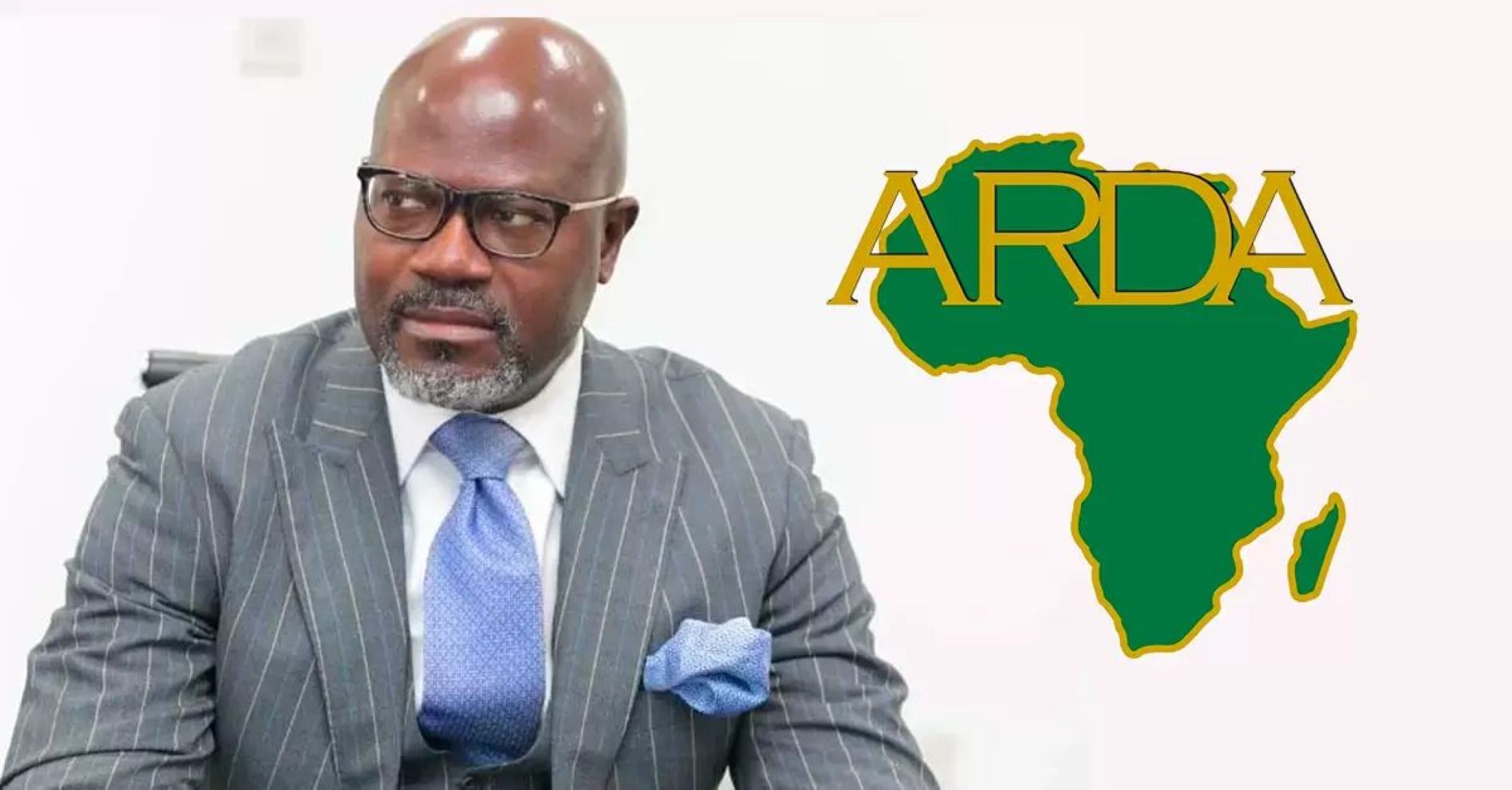
African energy stakeholders are ramping up calls for greater refining capacity and deeper continental collaboration, as Algeria and the African Refiners and Distributors Association (ARDA) explore new partnerships to strengthen Africa’s downstream petroleum sector.
This follows a high-level meeting in Algiers between Algeria’s Minister of State for Hydrocarbons, Mohamed Arkab, and ARDA’s Executive Secretary, Anibor Kragha, alongside senior officials from Sonatrach, Naftal and the Algerian Ministry of Hydrocarbons.
The ministry, in a statement, said the discussions centred on expanding cooperation between ARDA and Algeria’s state-owned energy institutions, particularly in refining, petrochemicals, and the storage and distribution of petroleum products across Africa. Liquefied petroleum gas (LPG), a critical fuel for households and industries, also featured prominently in the talks.
Speaking at the programme, Kragha outlined the pressing issues facing Africa’s downstream sector, including inadequate refining capacity, weak infrastructure, regulatory inconsistencies, and environmental concerns.
He stressed the need for coordinated action among African countries to build resilient supply chains, diversify energy sources and adopt cleaner technologies.
Kragha reiterated ARDA’s commitment to fostering stronger ties with Algeria, describing the country as a key player in Africa’s downstream petroleum landscape.
He noted that ARDA is keen to leverage Algeria’s experience in refining and distribution to support member countries grappling with infrastructure gaps and supply challenges.
Both parties underscored the urgency of addressing Africa’s structural refining deficit, which continues to expose many countries to volatile international markets and rising import bills. Strengthening local refining capacity, they noted, would not only enhance energy security but also create jobs and support industrialisation across the continent.
Arkab stressed that Africa must transition from a resource-dependent, rentier economic model to one driven by value addition and integrated industrial development. According to him, this shift requires the transformation of natural resources into finished and semi-finished products through local manufacturing, supported by technology transfer and regional value chains.

He highlighted Algeria’s experience in managing its hydrocarbons sector, anchored on national sovereignty over resources and the strategic role of state institutions such as Sonatrach in ensuring energy security and market stability. He added that Algeria’s regulatory framework is designed to attract investment while safeguarding national interests, promoting environmental sustainability and supporting the global energy transition.
The minister also emphasised the importance of human capital development, pointing to Algeria’s training institutions as critical enablers of sectoral growth.
He expressed the country’s willingness to share expertise with other African nations under a South-South cooperation framework.
The meeting also reviewed developments in global petroleum markets and their implications for African economies, particularly considering the shifting trade dynamics and energy transition pressures.
Both sides agreed on the need for a forward-looking roadmap that prioritises investment, innovation and regulatory alignment.
Coming at a time of heightened global energy security, the renewed push for collaboration can help African countries reduce dependence on imported refined products and build more resilient energy systems.
If successfully implemented, the Algeria-ARDA partnership could mark a significant step towards a more integrated and self-sufficient African energy market.

