 Follow Us on Google News
 Follow Us on Google Discover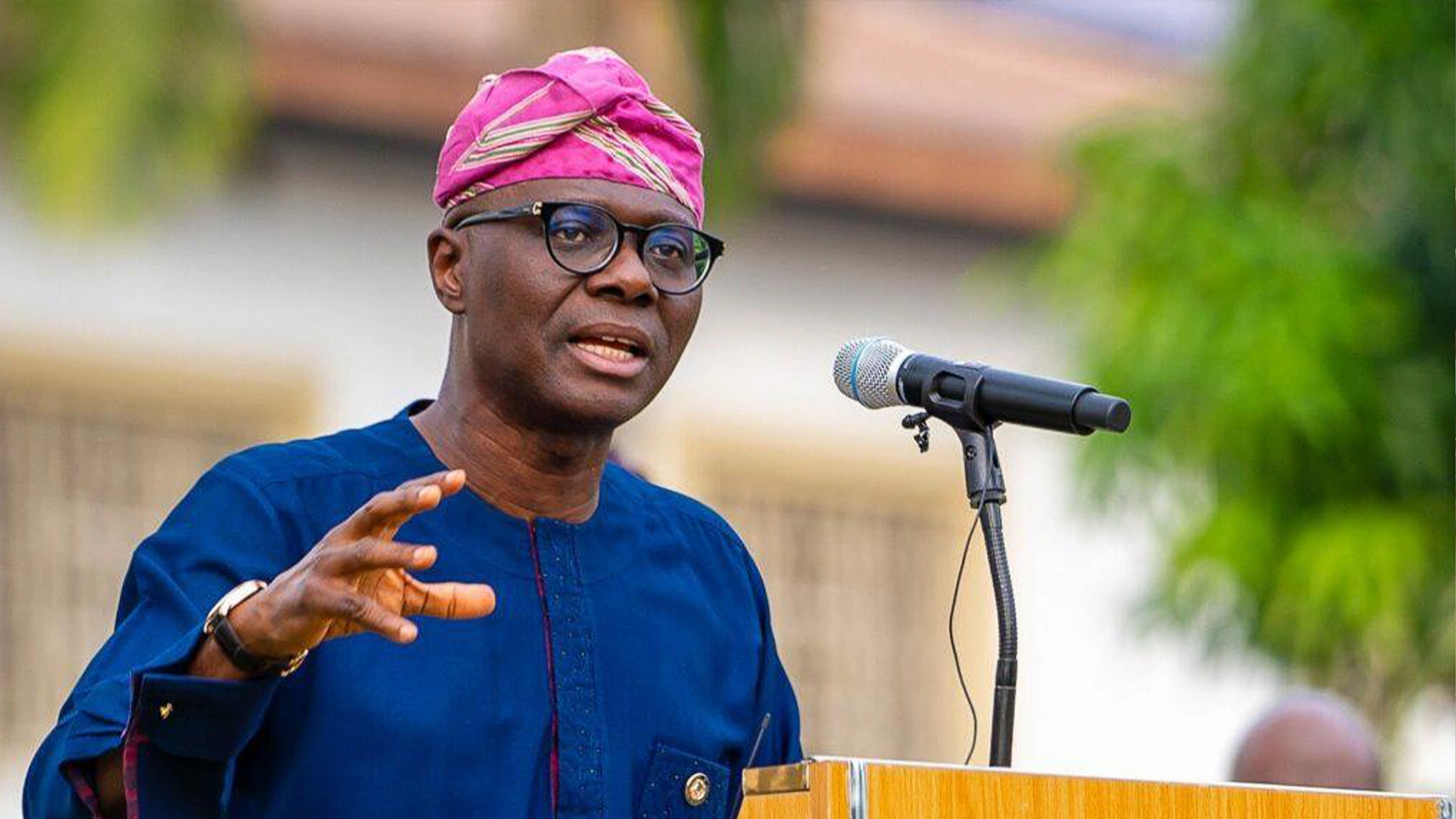
Nigeria is intensifying efforts to position itself as a prime destination for global climate finance, as Lagos State Governor, Babajide Sanwo-Olu, prepares to lead a high-level delegation to the Nigeria Climate Investment Summit (NCIS) in London, the organisers said yesterday.
The summit, a flagship event of the London Climate Action Week, is expected to draw global investors, development finance institutions, policymakers and corporate leaders, with a clear focus on unlocking capital for Nigeria’s growing pipeline of green and transition projects.
Organisers, including SOStainability and GLOBE Legislators, said the increasing global interest in the event shows Nigeria’s rising appeal as an investment hub, particularly in renewable energy, carbon markets and sustainable infrastructure.
Recent figures from the National Bureau of Statistics show that the United Kingdom remains Nigeria’s largest source of foreign direct investment, contributing about $12.21 billion between 2023 and 2025, a trend driven by sustained diplomatic and economic engagement.
The NCIS is designed to translate this momentum into tangible investments by connecting global capital with bankable projects, especially in reform-driven states such as Lagos, which has emerged as a frontrunner in climate policy and urban resilience planning.
Sanwo-Olu is expected to use the platform to deepen Lagos’ engagement with international investors and unveil plans to host Africa’s first climate action week, aligning the state with global cities such as London, New York and Shanghai that convene high-level climate investment forums annually.
The Lagos delegation, which includes Commissioner for Environment and Water Resources, Tokunboh Wahab, will engage a wide spectrum of stakeholders, including multilateral agencies, institutional investors, regulators and diaspora-backed investment networks, in a bid to attract long-term capital into critical sectors.
Discussions at the summit will focus on emerging investment opportunities driven by Nigeria’s evolving policy landscape, including the National Carbon Market Framework, updated Nationally Determined Contributions, and reforms under the Electricity Act 2023, which has opened up the power sector to subnational participation and private investment

