 Follow Us on Google News


 Follow Us on Google Discover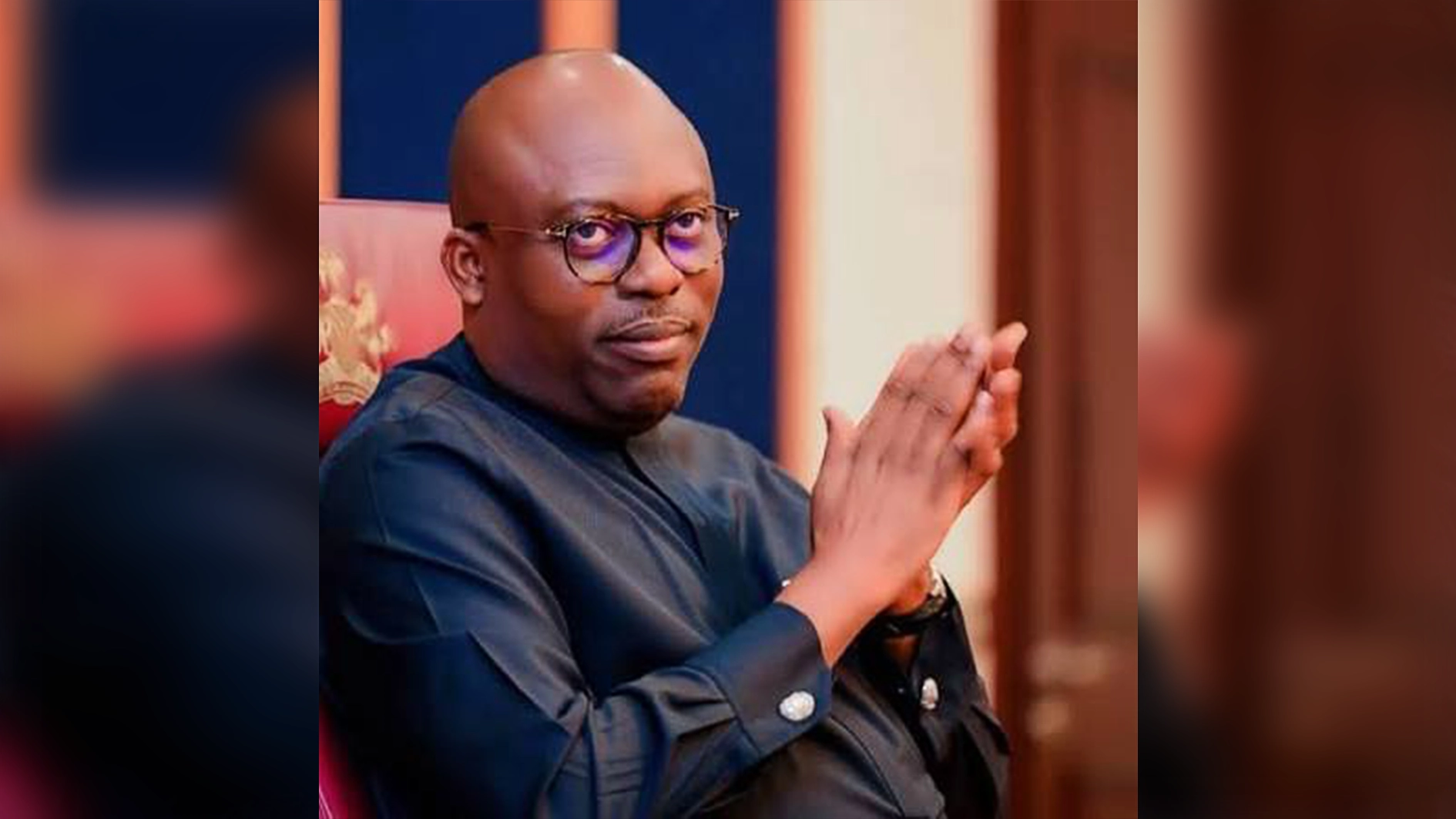
Notwithstanding the anger among his supporters, Governor Siminalayi Fubara’s dramatic withdrawal from the 2027 governorship race may have calmed the raging political storm in Rivers State, but it has also reignited debates on zoning and ethnic balancing of political offices in the state, ANN GODWIN reports.
Governor Siminalayi Fubara’s withdrawal from the 2027 governorship race has triggered a wave of emotions across Rivers State, leaving many of his loyalists stunned, bitter and politically stranded.
“You left us in the middle of the river. We sacrificed everything and stood firmly behind you because you made us believe all was well. Yet, look at us today; we can neither move forward nor go back,” lamented Tobari Barile, a staunch supporter of the governor.
At Nsuka Street in Mile One, Diobu, Port Harcourt, Elizabeth Madu, known for her active support for Fubara, has remained unusually calm and subdued since news of the governor’s withdrawal broke.
The feelings of Fubara’s supporters capture their growing sense of betrayal, uncertainty and political disillusionment sweeping through sections of his support base.
Yet, beyond the disappointment, many residents and political stakeholders see the governor’s decision as a calculated move to douse rising tension and restore peace, unity and stability in the oil-rich state. To them, stepping aside was a lesser price to pay than allowing the festering crisis to spiral into a prolonged political war with far-reaching consequences for Rivers State.
Fubara’s withdrawal has reignited debates on zoning and ethnic balancing, with stakeholders from the riverine and Ogoni blocs lamenting growing political exclusion and fears of weakened inclusiveness in the state’s power structure. The development is also triggering fresh political realignments.
Months before his public withdrawal, Fubara had become unusually quiet and withdrawn, fuelling concerns among residents and political observers. The governor, once visible and politically active, reportedly stopped engaging many associates and allies, deepening speculation that his camp was under pressure. The signs eventually culminated in his dramatic exit from the race, a move many described as the final blow to an already troubled political journey.
Fubara’s withdrawal sent shockwaves across the state, especially among supporters advocating ethnic balancing in Rivers politics. Stakeholders from riverine communities and the Ogoni axis viewed his candidacy as a continuation of political inclusiveness and equitable power sharing. While the Ogoni people lament decades of exclusion from the governorship, deputy governorship and speakership positions, many in the riverine areas insist it is only fair for their region to complete an eight-year tenure given the fact that the upland axis has dominated power for about 24 years.
The emergence of Kingsley Chinda, an Ikwerre politician, as the governorship candidate of the APC in the state, has further deepened concerns over widening disparities in the state’s political arrangement. However, loyalists of the Minister of the Federal Capital Territory, Nyesom Wike, insisted that Fubara could not sustain a political structure he neither built nor controlled.
Fubara’s Journey To Power
Since assuming office in 2023, Fubara has remained at the centre of one of the fiercest political crises in Rivers State history. His administration became engulfed in a prolonged supremacy battle with Wike barely months after inauguration. What began as a disagreement over political control quickly snowballed into a full-blown confrontation that polarised the state’s political structure, lawmakers and grassroots supporters.
The crisis deepened with divisions in the Rivers State House of Assembly, where lawmakers loyal to both camps engaged in bitter struggles for legitimacy and control.
The tension triggered impeachment threats, parallel legislative activities and legal battles that created uncertainty within government circles. Despite repeated interventions by President Bola Tinubu, elders and stakeholders, reconciliation efforts yielded little result as distrust between both camps widened.
After the latest peace deal brokered by the President and Fubara’s eventual defection to the APC, many of his loyalists hoped he would consolidate his base and challenge Wike’s influence within the political structure. However, behind-the-scenes negotiations, pressure from stakeholders and fears of escalating the conflict reportedly weakened the governor’s position, leading to his withdrawal from the governorship race.
Implications Ahead Of 2027
Fubara’s withdrawal has significantly altered political calculations ahead of the 2027 elections, triggering fresh alignments among old blocs, particularly supporters of former Minister of Transportation, Rotimi Amaechi. Politicians who had maintained relative calm are now re-entering the fray, signalling renewed positioning.
The African Democratic Congress (ADC) is currently seen as a major opposition platform in the state, but internal tensions are already threatening its cohesion. The party is reportedly split into rival factions, one aligned with Amaechi and another linked to former Vice President Atiku Abubakar and other national stakeholders.
Already, the Atiku camp has declared former House of Representatives member, Fara Dagogo, winner of the party’s governorship primaries held on May 22, 2027, while Amaechi’s camp has declared Gabriel Pidomson, a former Secretary to the Rivers State Government as the party’s governorship candidate.
Pidomson is viewed as representing continuity with Amaechi’s political structure and grassroots mobilisation strength, though he is not widely seen as a dominant political figure in Rivers.
Both camps are now claiming legitimacy and control of the party. The development marked a setback for the ADC, which had positioned itself as a viable opposition platform capable of challenging Wike’s camp. Observers said a divided opposition may struggle against a seasoned political strategist like Wike.
The People’s Democratic Party (PDP) is also battling internal divisions, with some loyalists of Fubara still retaining influence, while others aligned with Wike have reportedly moved into his “Rainbow Coalition.” The PDP has also declared Wike’s loyalist, Soni Ejekwu, as the party’s flag bearer.
For the APC, the emergence of Wike’s kinsman, Chinda, as its flag bearer is drawing protests from other ethnic groups like Ogoni, with many of the residents declaring that Rivers State could not be captured.
Consequently, some aggrieved stakeholders and politicians from other ethnic nationalities are realigning to work against an upland governorship candidate.
A prominent Ogoni stakeholder, Celestine Akpobari, said it will amount to continued political marginalisation of Ogoni people if Chinda is allowed to succeed Fubara.
“It means the Ikwere people have produced four governors while the Ogonis have not produced a governor, deputy, speaker or even a chief judge in the state,” he said.
He warned that people could not exclude the political interest of Ogoni people and still be interested in their oil, stating that any plan for resumption of oil production in Ogoni would not work.
Also, a prominent activist in the state, Donu Kogbara, criticised the push for another upland candidate, describing it as insensitive to the expectations of other ethnic groups.
Although she acknowledged Chinda as a capable politician, she argued that presenting another Ikwerre candidate ignores longstanding agitations for fairness and rotation of power.
Kogbara also lamented the continued exclusion of the Ogoni ethnic nationality from key leadership positions in the state.
A human rights activist and political analyst, Peter Mazi, described the situation as unfortunate, warning that governance had become the biggest casualty.
“Rivers people have become spectators in a chess game between two powerful political players and the state is paying the price. Many of us raised concerns when Wike openly purchased forms for governorship and Assembly aspirants. That was never democracy; it was political investment, and every investor expects returns,” he said.
According to him, Fubara had an opportunity to break free and rely on public support, but instead continued making compromises until Rivers people became victims of elite political warfare.
“That emergency was not about governance failure or insecurity; it was collateral damage from an elite power struggle and ordinary Rivers people bore the cost,” he added.
Mazi lamented that many loyal supporters who campaigned and staked their reputations on Fubara now feel abandoned and politically stranded. He warned that unless Rivers people resist political manipulation, the state could remain trapped in another cycle of godfather dominance.
However, Chairman of Obio/Akpor Local Council of the state, Gift Worlu, argued that Fubara was partly responsible for his predicament.
Speaking during a radio programme in Port Harcourt, Worlu alleged that the relationship between the governor and local council chairmen deteriorated because the governor refused to work closely with them and security agencies.
He further claimed that the “Rainbow Coalition” assembled by Wike was responsible for Fubara’s emergence as governor, but lamented that the governor later abandoned the structure that brought him to power.
To a policy analyst, Sunny Dada, signs that Fubara would eventually withdraw had become obvious weeks before the announcement.
According to Dada, the pressure on the governor was overwhelming and withdrawal may have been his safest political option, particularly if certain assurances were offered behind the scenes.
He, however, argued that the bigger issue is not Fubara’s withdrawal itself but who eventually succeeds him. Dada warned that backing another Ikwerre candidate could heighten ethnic tension in a state with several competing ethnic nationalities.
He further maintained that Fubara still retained significant grassroots support and could have remained politically formidable if he had defected to another party to contest the election. He also warned that the body language of the political establishment could create doubts about commitment to free and fair elections ahead of 2027.
Dada predicted fresh alignments across the Ogoni and riverine blocs, adding that the Rivers crisis could affect President Tinubu and the APC’s fortunes in the South-South if grievances are poorly managed.
With political calculations already shifting, many observers believe Fubara’s withdrawal has altered the trajectory of the 2027 contest, leaving Rivers politics at a delicate crossroads where loyalty, zoning, ethnic interests and control of party structures will shape the next battle for power.

