GDN SIDEBAR
NEED TO KNOW
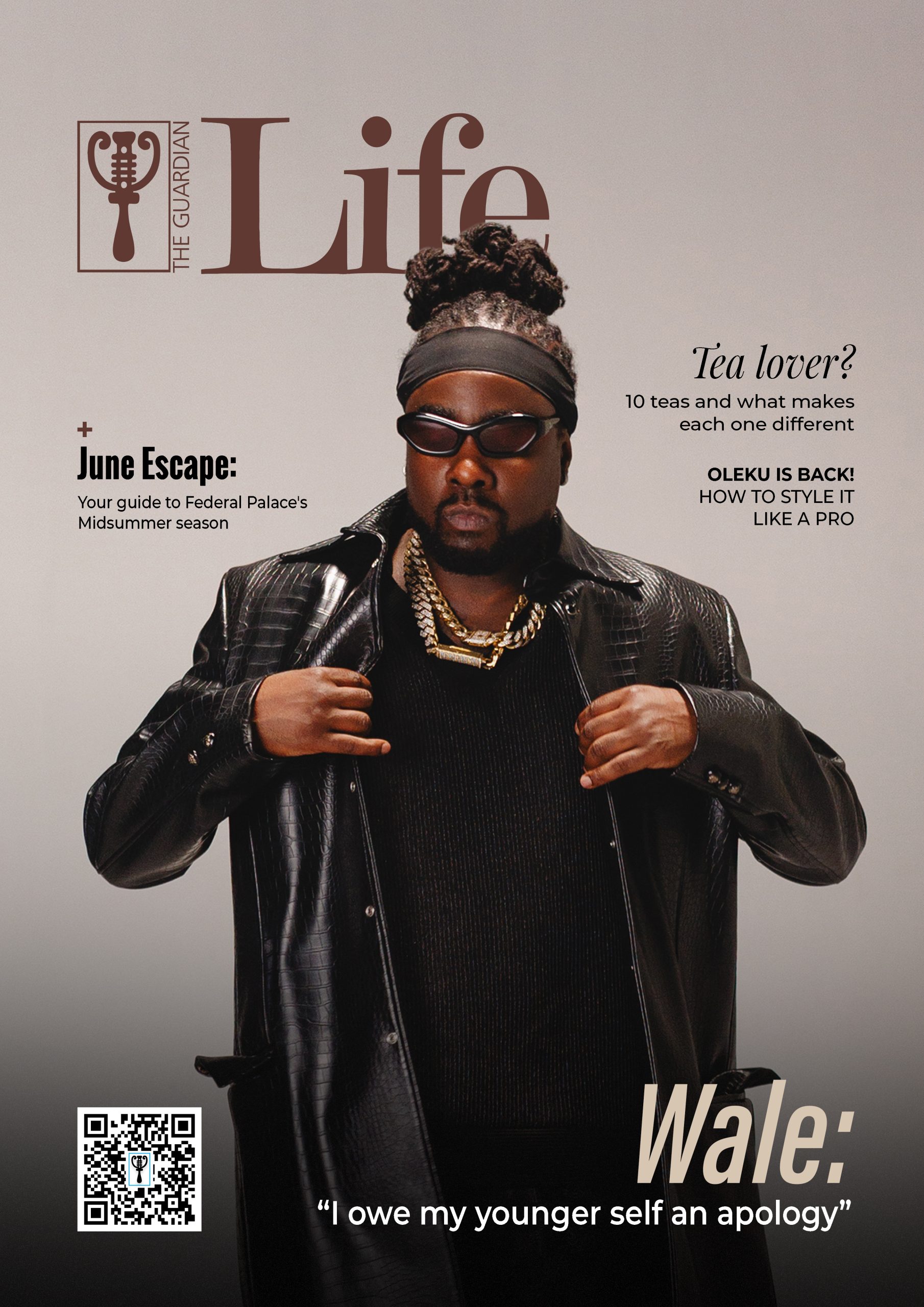
- Wale, born Olubowale Victor Akintimehin, is a 41-year-old rapper of Nigerian and Yoruba heritage.
- He earned a Grammy nomination for Best Rap Song in 2013 for Lotus Flower Bomb, his hit collaboration with Miguel.
- His albums The Gifted and The Album About Nothing both debuted at No. 1 on the Billboard 200 chart.
- Before global fame, he gained attention with his 2006 breakout single, Dig Dug (Shake It), which became a local sensation in the Washington, D.C. area.
- His latest single, YSF, was filmed in Lagos and features Teni and Seyi Vibez, celebrating Nigerian culture, identity and storytelling.
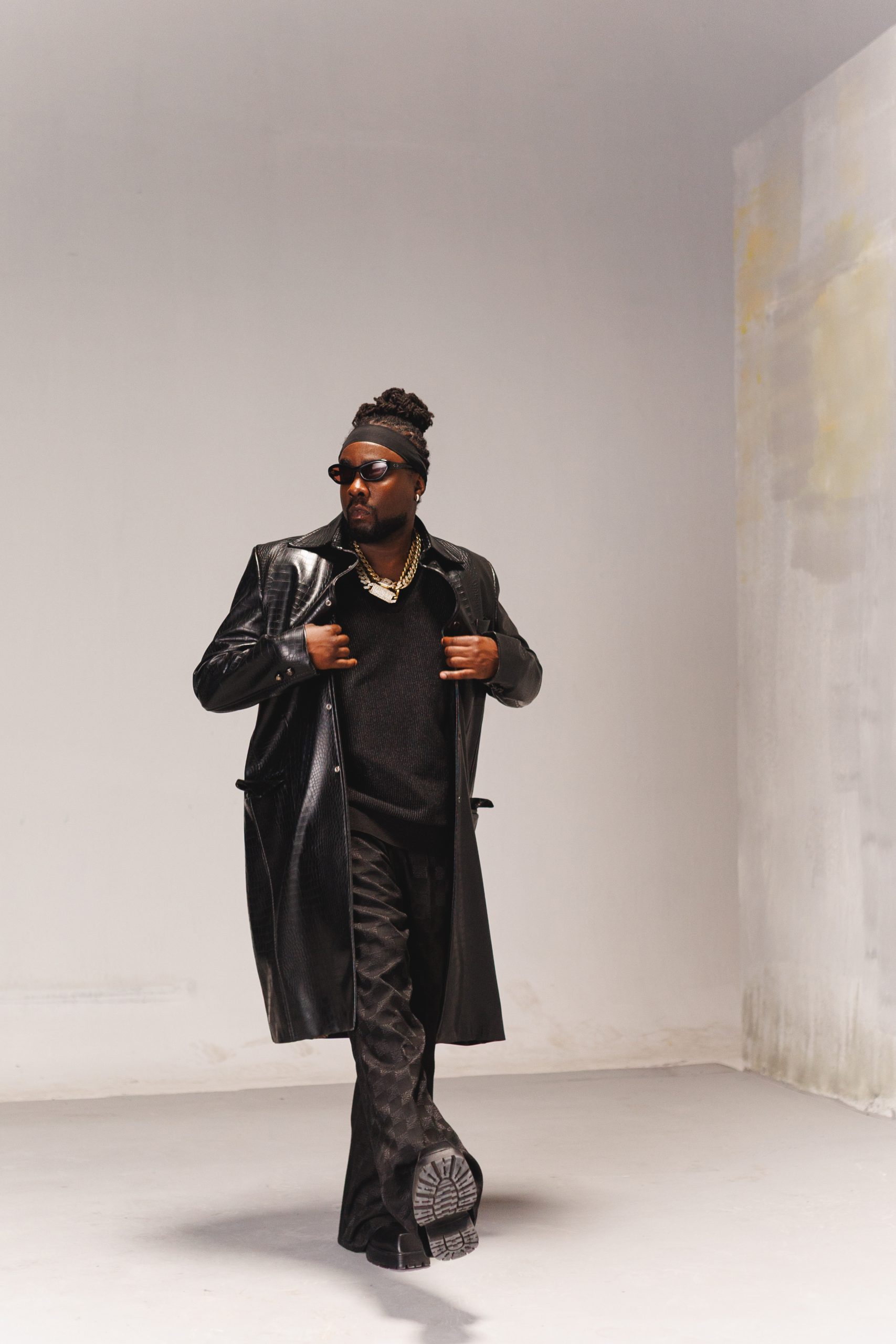
For over two decades, Wale has invited listeners into his mind. His music has chronicled ambition, identity, heartbreak, pressure and self-discovery, often revealing more than many artistes are willing to share.
Since breaking through in the late 2000s, the Washington, D.C.-raised artiste has released multiple projects, earned Grammy nominations, topped the Billboard charts and collaborated with some of the biggest names in music. Yet beneath the accolades is a creative who has never shied away from difficult conversations about identity, pressure, self-worth and belonging.
This year, Wale returned to his roots with YSF, a visually rich collaboration featuring Teni and Seyi Vibez. Shot in Lagos and deeply inspired by Nigerian culture, the project arrives at a time when the rapper is creating from a more personal and reflective place. It also comes as conversations around men’s mental health, vulnerability and emotional wellbeing continue to gain momentum globally.
Speaking exclusively with Guardian Life, Wale opens up about the pressure of success, the burden of constantly proving himself, his connection to Nigeria, the lessons he would share with his younger self and why finding peace has become more important than seeking validation.
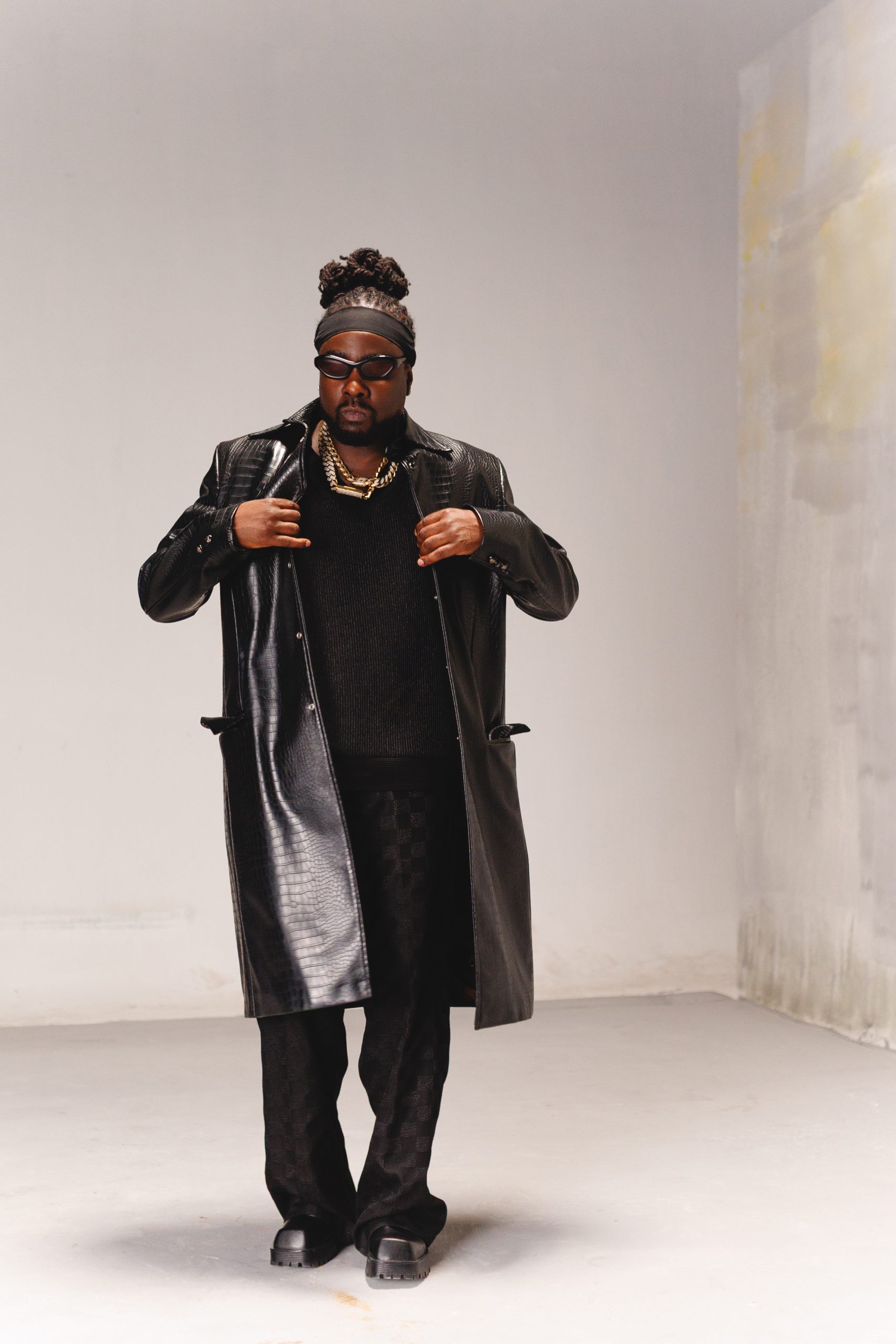
Your new YSF video is rooted in Nigerian culture, from the Lagos setting to the energy and storytelling. Why this period?
My Nigerian heritage has played a heavy role in shaping the person I am today. Shooting in Lagos really brought my creative vision to life. I wanted the music video to reflect the Nigerian experience in a real way, not just aesthetically. Coming off everything is a lot. I’ve been creating from a very personal space, and the YSF video is another extension of that authenticity.

You brought together Teni, Seyi Vibez and Odunsi the Engine for this project. What made them the right collaborators to help tell this Nigerian story visually and musically?
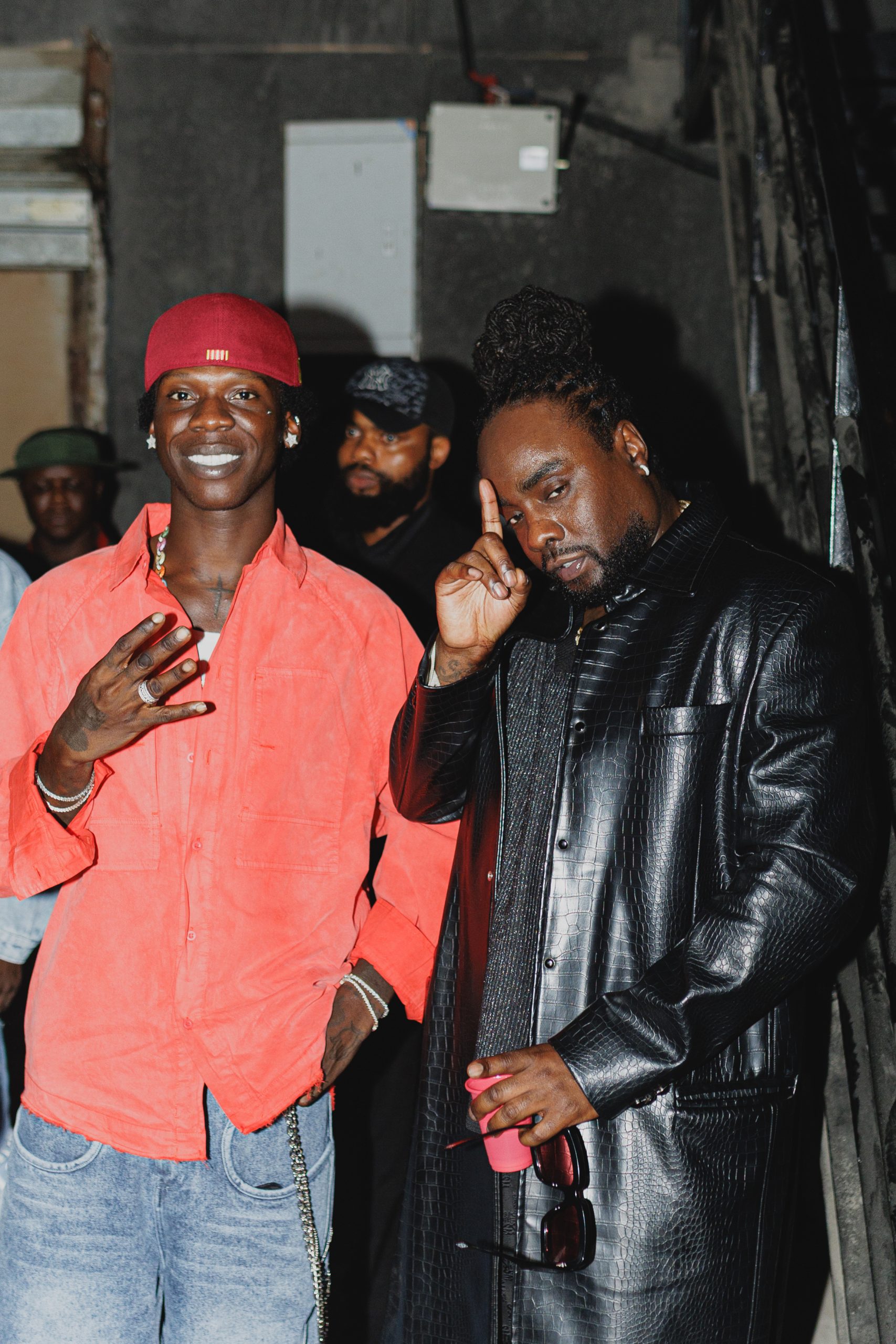
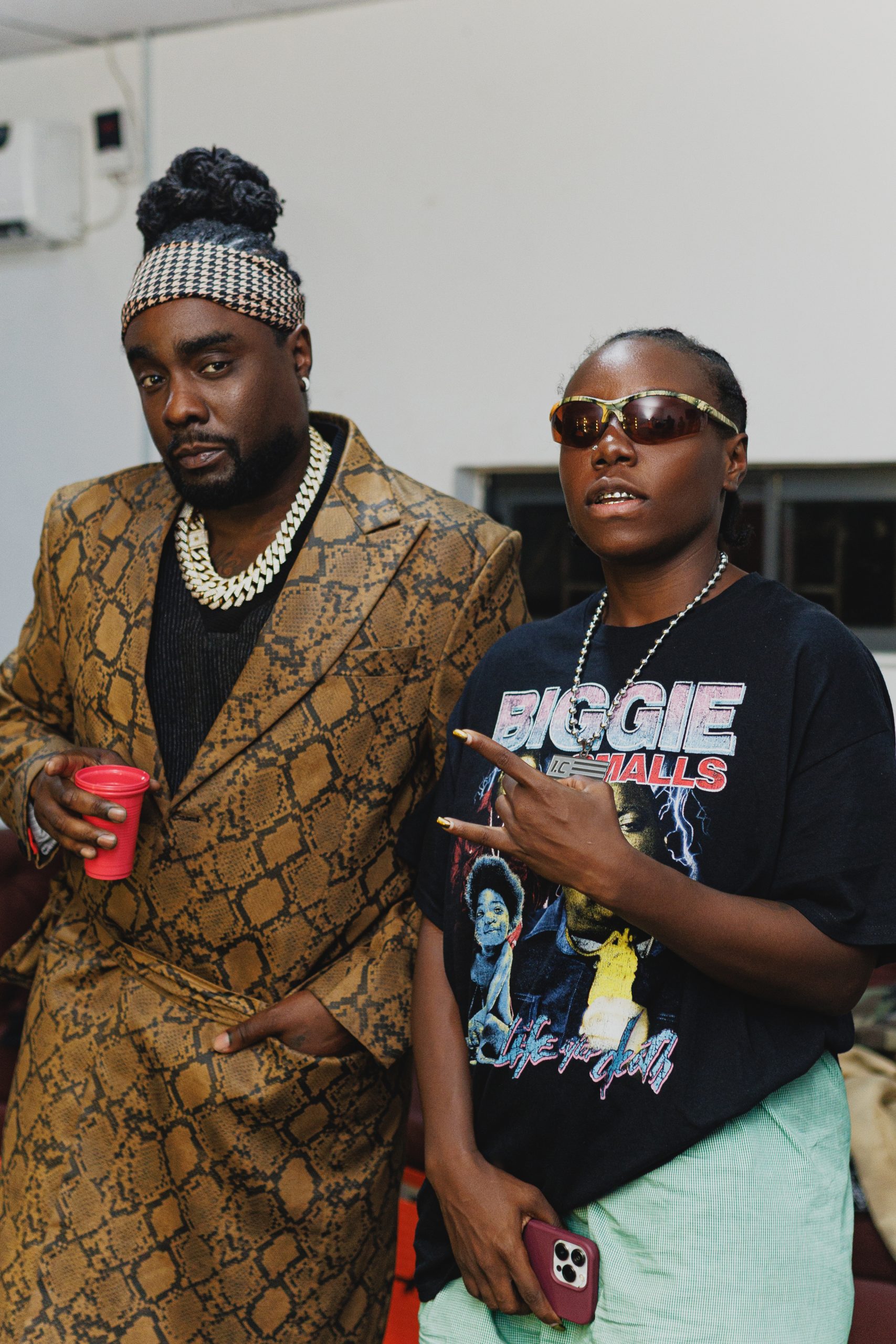
It was important to me that Nigerian creatives were involved at every level for the song and video. Teni has this unique sound that brought so much energy to the record. We’re both from Ondo State, and we have family connections that go back before we even met, so the collaboration represents home in a real way to me. With Seyi Vibez, he’s one of those artistes on his own wave right now, and he represents the new generation coming out of Nigeria. Odunsi the Engine and I have the same management team, so we connected, and he understood the vision for the music video immediately. OTE’s friend and collaborator, Genio, produced the track, so there was a lot of alignment. Bringing all of these energies together made the project feel like a real reflection of the culture.
A lot of rappers chase trends, but your music has always felt personal and reflective. What part of yourself are you still trying to understand through music?
Probably the constant tension between ambition and contentment. I’ve accomplished things I’m proud of, but I’m always chasing more growth. Music is how I process those thoughts. I’ve never been interested in making records just to fit into the trends, because those are always changing. My music is like a mirror for my experiences.
You have always spoken proudly about your Yoruba roots. How has being Nigerian shaped the way you see success, masculinity and family?
As a Nigerian-American, success isn’t just personal. It’s connected to family and legacy. And with masculinity, I think a lot of African men grow up believing strength means dealing with things alone. We don’t want to be a burden to our loved ones. But there’s also strength in honesty, vulnerability, and being emotionally present.
There is a vulnerability in your music that many male rappers avoid. Did opening up emotionally ever make you feel exposed in the industry?
Definitely. There were times when my level of emotional honesty wasn’t well-received, especially with a genre that doesn’t always encourage that. But I’ve never been interested in pretending to be unaffected or emotionally detached. I think my honesty is why people connect to my music.
You have spoken openly about pressure and mental health. Looking back, what is the lowest point of your life that changed you forever, and what did it teach you about yourself?
There wasn’t a single moment, but starting in this industry, there were a lot of moments that added up to feeling like nothing was ever good enough. From the outside, people see success, records, tours, and accolades. But internally, I was carrying a lot of pressure to prove I had what it takes to make it. It changed me because I learned that validation is temporary. One day you’re celebrated, the next day you might not be. If your identity is tied to that cycle, you’re always going to be chasing something. It taught me to find peace within myself and trust my own vision, no matter the noise.
If you could have one honest conversation with your younger self today, what would you apologise for and what would you thank him for?
I wish I could tell that younger version of me that he didn’t have to carry the weight of the world on his shoulders all the time. I’d apologise for being so hard on him when I was grinding to make this a career. At the same time, I’d thank him for never quitting and pursuing music throughout all of the ups and downs. I’m where I am today because I always believed in myself.
Many people know Wale the rapper, but who is Olubowale when the cameras disappear?
A lot of what people hear from my music is me laying out my feelings in real time. It’s how I’ve always approached songwriting. Wale is just one part of Olubowale. It’s not really a switch between me as a rapper and me as a person. When the cameras disappear, I’m working on myself, evolving, and moving through life with intention.
Your work often feels poetic, almost like therapy sessions turned into music. Do you still write from pain, or has peace changed your creative process?
It’s fluid. I write from wherever I am emotionally at the time. Earlier in my career, it was harder to navigate the industry as a younger, rising artiste. Now I have more perspective that I can tap into. What I’m feeling, I write. I don’t really know how to make music any other way.
What conversation about mental health do you think Black men, especially African men, still struggle to have openly?
Black men are raised to carry things and keep moving, no matter what’s happening internally. You’re taught to provide and stay solid, but that can catch up to you. That’s kind of how the name of my last album came about. People were checking in and asking me how I was doing, and the most honest answer I could give them was, ‘Everything is a lot.’
At this stage of your career, are you still trying to prove something, or are you finally creating without pressure?
As an artiste, I’m always striving to accomplish more. I played football growing up, so I’m naturally driven in that way, and that never completely leaves you. I’m definitely less focused on chasing validation now, but it’s nice to get your flowers too. I’m ready for a Grammy this year.
Hip-hop today moves very fast because of TikTok and streaming culture. Do you think artists still have enough time to grow naturally anymore?
People today like instant gratification, and social media is a big player in that. One TikTok can change someone’s career overnight, and then there’s pressure to keep feeding that momentum and putting out new music. When I came up, there was more space to experiment, evolve, and grow without having to keep up with trends and algorithms. But I think the music that really makes an impact, like, transcends generations and trends, has real substance. The music has to stay with people long after listening.
Afrobeats is now dominating globally. As someone who has always connected with African culture, what excites you most about this moment for African music?
It’s exciting to see African artists exist at the centre of the conversation without having to water the culture down for the West. The world is embracing the music, but also the culture around it, like the language, fashion, storytelling… People from all over are influenced by African culture, whether they realise it or not.
When people look back at Wale decades from now, what do you hope they remember beyond the hits and awards?
I hope they remember how the music made them feel. The emotion. I want to be remembered as somebody who stayed true to himself creatively and released music that people could relate to.