 Follow Us on Google News


 Follow Us on Google Discover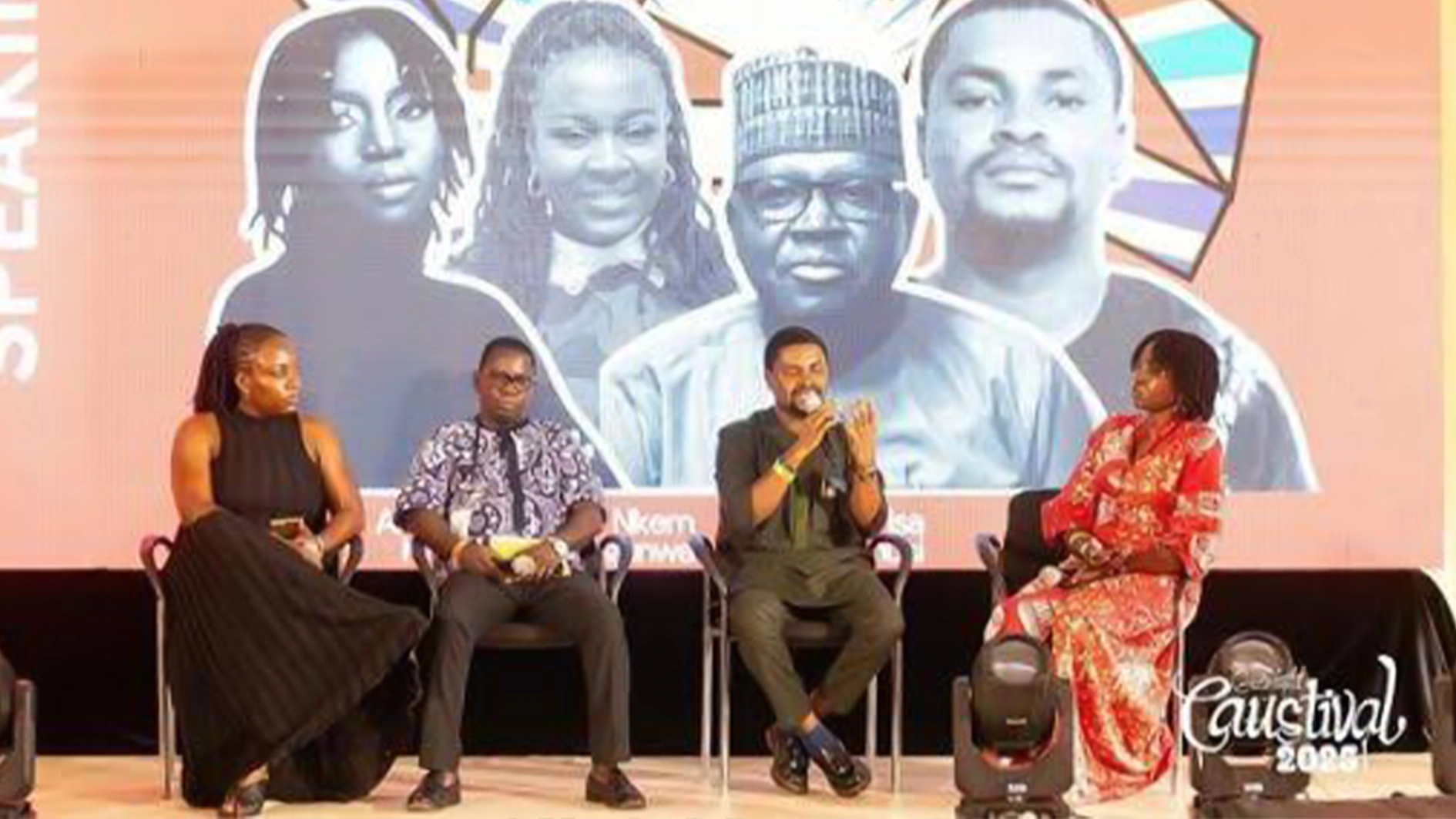
As Nigeria approaches the pivotal 2027 general elections, a vibrant gathering of young citizens, artists, civic leaders, and advocates convened at the Art Pavilion in Abuja for Caustival 2026, an innovative social justice festival aimed at fostering democratic participation and civic engagement through the powerful mediums of culture, art, film, and public dialogue.
The festival unfolded over two days, from June 12 to 13, anchored by the compelling theme “We Decide.” This year’s program intricately explored the interconnectedness of democracy, information integrity, cultural expression, and active citizen participation, underscoring the fundamental truth that the contours of democratic outcomes are often shaped well ahead of the actual election day.
Taking the stage to articulate the festival’s vision, Festival Director Kofoworola Odozi characterized Caustival as a significant platform where young Nigerians can engage in earnest discussions about the myriad issues affecting their nation and their vital roles in sculpting its future. Odozi emphasized the import of this year’s iteration, marking it as the final festival benchmark before the upcoming elections, a time when critical decisions will chart the course of the nation for years to come.
“This incarnation of Caustival holds extraordinary significance,” she remarked. “In light of our current political landscape, it’s apparent that the choices we make today can drastically influence the forthcoming years of our lives.”
Amid her reflections, Odozi expressed an optimistic outlook regarding youth participation in politics, despite observing a growing sense of frustration among many young Nigerians following their recent electoral experiences. “Undoubtedly, young people are eager and enthusiastic, but a substantial knowledge gap lingers. Many do not fully grasp the immense power they wield or how to effectuate it meaningfully,” she noted. Odozi encouraged the youth to unite and assert their demands for their futures, advocating that collective decision-making can catalyze substantial change.
Her message was clear: disengagement due to disappointment or distrust in the political system is counterproductive. “Our theme this year is ‘We Decide.’ Your future is in your hands. Choosing to stay home out of insecurity or frustration does not pave the way forward. You must engage, make your voice resonate, and partake in shaping the future you envision,” she insisted.

Adding layers to the discussions, one of the panellists addressed the pressing issue of women’s representation in politics and public leadership. Solape Sonuga, the Director of the Legislative Mentorship Initiative, took the opportunity to highlight the critical need for increased inclusivity of women in governance and decision-making roles. She spoke against the backdrop of ongoing advocacy efforts aimed at constitutional reforms to enhance women’s representation in elected positions.
“Given Nigeria’s complexity and diversity, there is always room for advancement. We need a concerted effort from the media, civil society organizations, and governmental bodies to educate the populace on the necessity of women’s representation in governance. Only through persistent advocacy can we hope to see progress,” Sonuga stated, reflecting on the ongoing journey of Nigeria’s democracy, which, despite its imperfections, has demonstrated resilience over the past 27 years.
The festival art curator, Faith Ifeoma Dagbue, articulated that Caustival was conceived partly as a proactive response to the increasing voter fatigue and political disenchantment among the citizenry. “Every four years, we engage in the electoral process, yet many individuals are becoming weary because political leaders frequently fail to meet the expectations set forth by their campaigns. At this junction, the public’s exhaustion is palpable,” she observed.
Dagbue further explained that the festival’s goal is to reignite civic optimism and remind Nigerians of the essential reality that genuine democratic progress demands consistent engagement and active participation. “We are committed to revitalizing that spirit, reminding all that the sacrifices of our heroes past must not be in vain. The efforts we invest today will ultimately determine the nature of Nigeria’s future,” she emphasized.
The exhibition component of Caustival 2026 was a standout feature, showcasing 22 provocative artworks created by 16 artisans and a graphic designer, all delving into themes of voting, political participation, identity, governance, and public accountability. One prominent exhibitor, artist Kelechi Orode, presented a thought-provoking piece titled “How Much?”, which critically examines the pervasive issues of vote-buying and the commercialization of democratic choices in Nigeria.
“I sought to unpack the voting culture in Nigeria, particularly how monetary factors influence electoral decisions,” Orode shared.
She drew inspiration from the imagery found on Nigerian currency, which symbolises a vision of prosperity, contrasting it starkly with the contemporary challenges like insecurity and inadequate resource management plaguing the nation. “The fundamental question I pose is: How much is your vote truly worth? If you are willing to sell your vote for N10,000, what are the implications of that choice? The ripple effects of such decisions impact us all,” she explained.
In her address to Nigeria’s political elite, Orode urged leaders to contemplate the long-term repercussions of prioritising personal profit over collective well-being. “For those within the lower economic strata, the lure might be N10,000 or N20,000. However, for those perched within the corridors of power, regardless of their personal price, they must introspect on whether such choices justify the extensive damage inflicted upon the country,” she added.

