 Follow Us on Google News
 Follow Us on Google Discover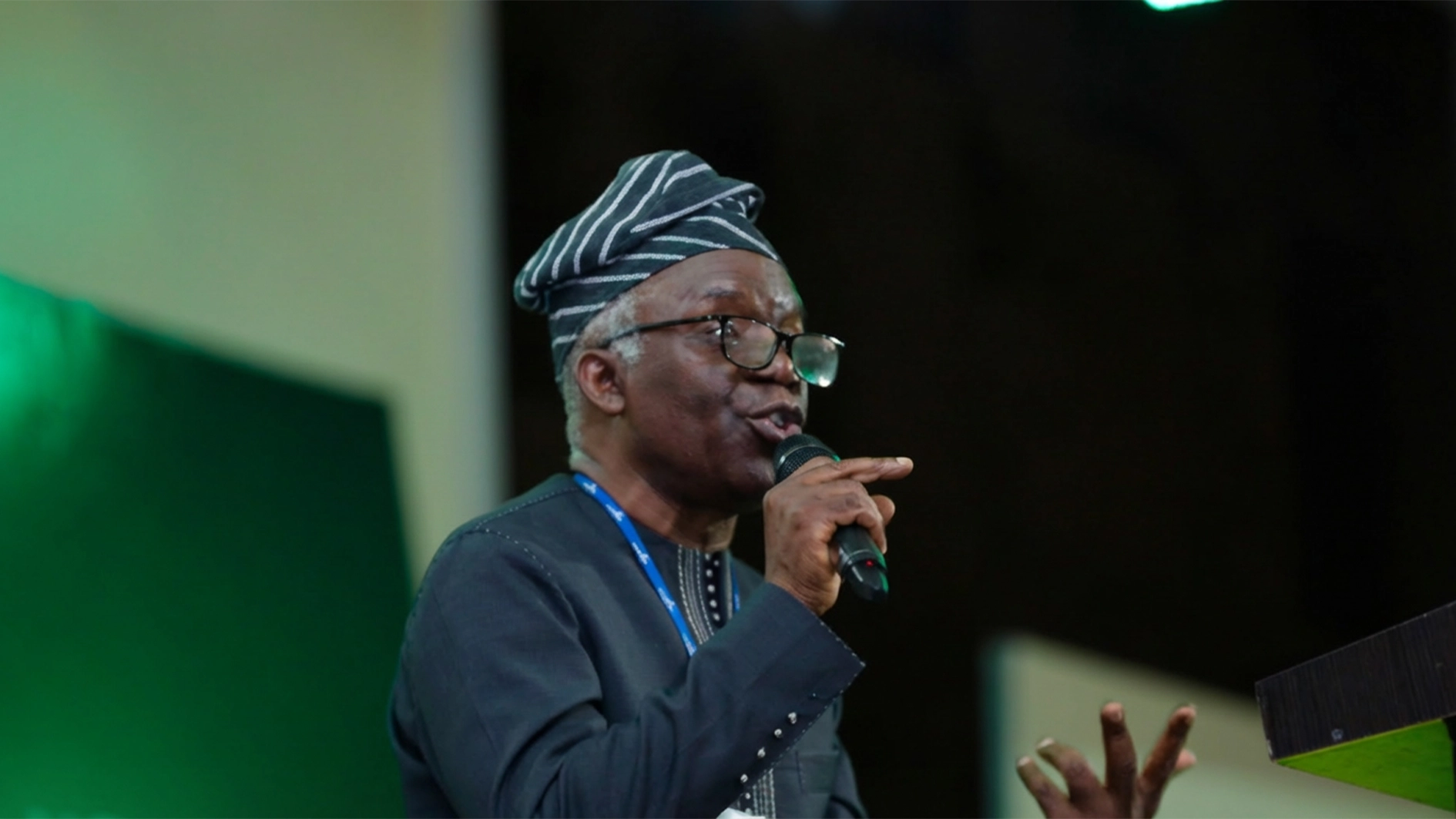
Human rights lawyer and Senior Advocate of Nigeria (SAN), Femi Falana, has condemned the practice of government officials negotiating with terrorists and bandits, describing it as illegal and inconsistent with Nigeria’s anti-terrorism laws.
Falana made the remarks during his address at the 2026 Annual General Meeting of Amnesty International in Abuja, where he spoke on the theme: “Rising Under Pressure: Human Rights in an Era of Insecurity, Economic Strain and Democratic Uncertainty.”
He said it had become common knowledge that officials of the Federal Government and some state governments had engaged in negotiations with armed groups, leading to the release and rehabilitation of individuals described as “repentant” terrorists and bandits, some of whom were allegedly offered financial incentives.
According to him, such actions violate the provisions of the Terrorism (Prevention and Prohibition) Act, which criminalises any form of support, participation or association with proscribed terrorist organisations.
Falana specifically cited Section 12 of the Act, noting that it prescribes a minimum sentence of 20 years imprisonment for anyone who knowingly participates in meetings linked to terrorist groups or provides logistics, support or facilities for such engagements.
“In view of the clear provisions of the law, those who engage in negotiations or meetings with terrorists are acting outside the law,” he said.
He maintained that members of proscribed groups such as Boko Haram should be prosecuted in accordance with the law rather than pardoned, rehabilitated or rewarded.
The senior lawyer further argued that state governors do not possess the constitutional powers to grant pardon to individuals accused of terrorism, stressing that such authority rests solely with the President and can only be exercised after conviction.
He explained that suspects arrested for terrorism-related offences must first be prosecuted by the Attorney-General of the Federation and, where found guilty, sentenced by a competent court before any consideration of clemency.
Falana also warned against the indiscriminate use of the presidential prerogative of mercy in terrorism-related cases, saying it could weaken national security and erode public confidence in the justice system.
He highlighted the gravity of crimes associated with terrorist groups, including abduction, attacks on schools, sexual violence, killings and destruction of property, insisting that such offences require strict legal consequences.
“It is not in the interest of national defence, public safety, public order or public morality to grant pardon to terrorists who have committed heinous crimes,” he stated.
Falana stressed that adherence to the rule of law remains essential in addressing insecurity and safeguarding democratic governance, urging authorities to prioritise prosecution and accountability over negotiated settlements.
His comments come amid ongoing national debates over the effectiveness of dialogue and amnesty programmes in tackling insurgency and banditry across the country.
While acknowledging Nigeria’s complex security challenges, Falana insisted that all counter-terrorism responses must remain within the bounds of the law to avoid setting dangerous precedents and undermining the fight against terrorism.

