 Follow Us on Google News


 Follow Us on Google Discover
Barely two weeks before political parties submit candidates’ names to the Independent National Electoral Commission (INEC) for next year’s general election, opposition parties in Lagos State are grappling with internal disputes over their nomination processes, a development that already undermines their chances against a formidable All Progressives Congress (APC), KEHINDE OLATUNJI reports.
To parties preparing for the 2027 elections, two dates are critical: June 27 to July 11 and July 18 to August 8, 2026. Within these periods, the names of presidential, National Assembly, governorship and state House of Assembly candidates are expected to be uploaded to INEC’s portal.
As the deadlines approach, opposition parties in Lagos are increasingly distracted by internal wrangling. Rather than focusing on challenging the APC’s long-standing control of the state, they are battling controversies that threaten their cohesion and electoral prospects.
For months, attention has focused on the Peoples Democratic Party (PDP), which is yet to publicly unveil its governorship candidate despite claims that its internal processes have been concluded. The delay has fueled concerns about the party’s relevance and capacity to remain a viable opposition force in Lagos.
The controversies are not limited to the PDP. Fresh disputes within the African Democratic Congress (ADC) and the National Democratic Congress (NDC) have reinforced concerns that opposition parties in the state remain plagued by the same internal weaknesses that have historically hampered their electoral fortunes.
The crisis became more pronounced within the ADC when Local Government Area chairmen cautioned Lagosians against accepting the outcome of the party’s governorship primary. Their position reignited controversy over the emergence of Gbadebo Rhodes-Vivour as the party’s gubernatorial candidate.

Results cited by The Guardian showed that Princess Abiodun Oyefusi polled 8,489 votes, Afeez Olasunkanmi Salis secured 7,594 votes, while Rhodes-Vivour garnered 4,545 votes. Despite these figures, the chairmen alleged that Rhodes-Vivour continued to parade himself as the winner.
Speaking on behalf of the chairmen, Anaere Ugochukwu alleged that some aspirants were denied votes because they had not been cleared to participate in the primary. He argued that such issues could not be resolved after aspirants had already paid nomination fees.
He said: “Gbadebo Rhodes-Vivour, who got 4,545 votes and recorded the least votes, is being paraded as the winner. How can a party make progress with that? We hope the leadership will rise up and do the needful in the overall interest of the party.”
Although some ADC members insist that sponsored elements are working to prevent Rhodes-Vivour from emerging as the party’s candidate, the dispute threatens to deepen divisions within a party that many observers regard as the most formidable opposition platform challenging the APC in Lagos.
NDC, too
The National Democratic Congress (NDC), widely perceived as an offshoot of the ADC, is also grappling with internal disputes over its governorship primary.
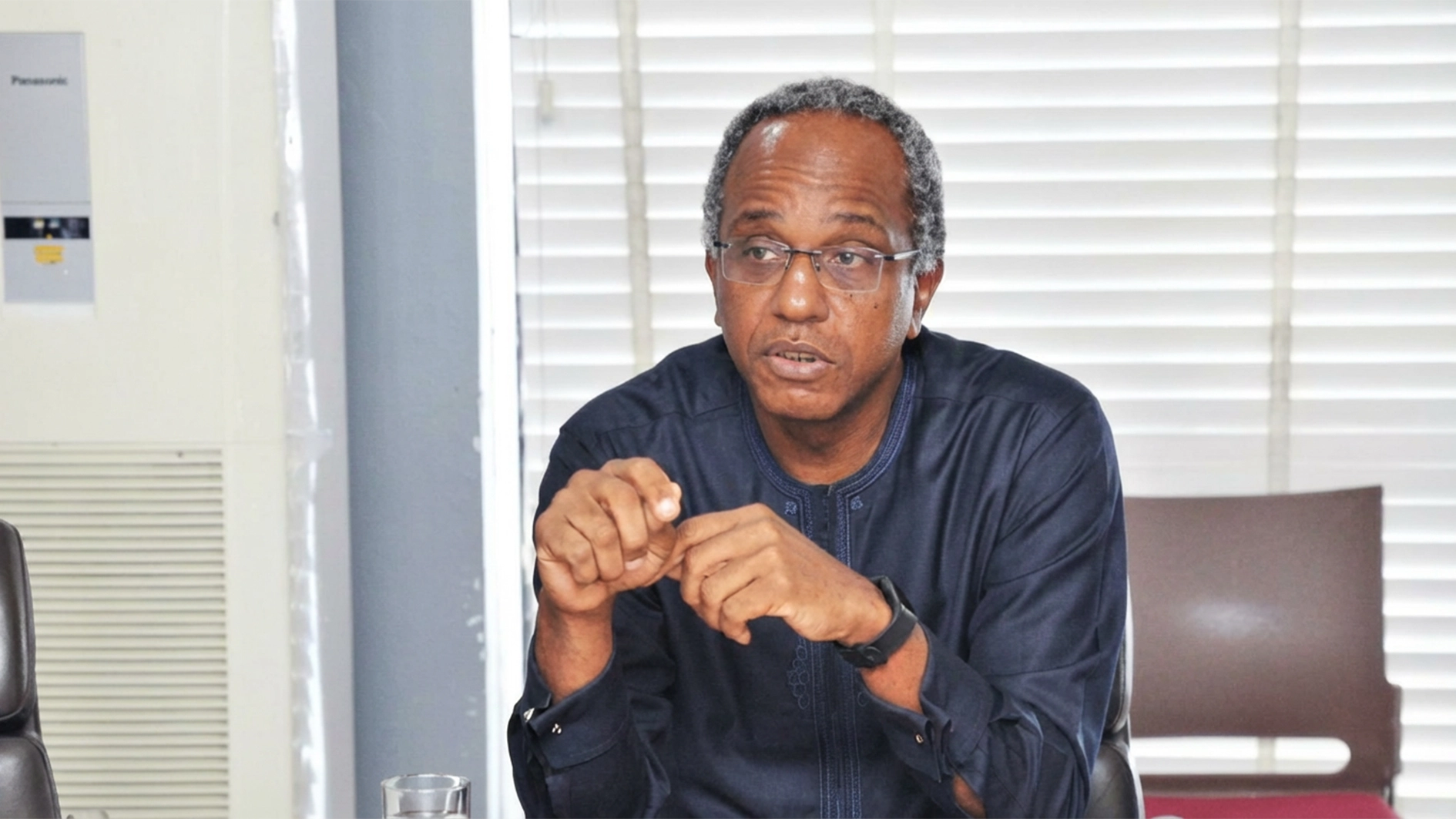
Supporters of two aspirants, Funso Doherty and Naheem Balogun, began claiming victory even before the party formally announced the results. The competing claims have complicated efforts to build unity within the emerging platform.
Results obtained by The Guardian indicate that Balogun secured 6,150 votes, while Doherty polled 5,143. Yet Doherty’s supporters continue to argue that his wider public recognition places him in a stronger position.
Balogun, speaking after the collation of results, expressed confidence in the process and urged supporters to remain calm pending the party’s official confirmation.
“I am deeply grateful to all our supporters, party faithful, volunteers and stakeholders who came out en masse to participate in this democratic process. The results collated so far are encouraging and reflect the collective effort of our team and the trust the people have placed in our vision,” he said.
Balogun attributed his performance to extensive grassroots engagement but stressed that the process would only be complete when the National Executive Committee (NEC) formally announces the results.
“The democratic process is not complete until the party officially announces the results. I therefore urge all our supporters to remain calm, united and respectful of party procedures as we await the NEC meeting and official declaration,” he added.
The uncertainty within the NDC has introduced another layer of instability into Lagos opposition politics, as parties seeking to challenge the APC continue to struggle with internal legitimacy and procedural credibility.
2023 spectre
AMID the current controversies, the 2023 governorship election looms large.
Ironically, the PDP faced a similar crisis during that election. The emergence of Olajide Adediran, popularly known as Jandor, generated divisions within the party. While PDP leaders believed his Lagos4Lagos movement would strengthen the party’s chances, events unfolded differently.
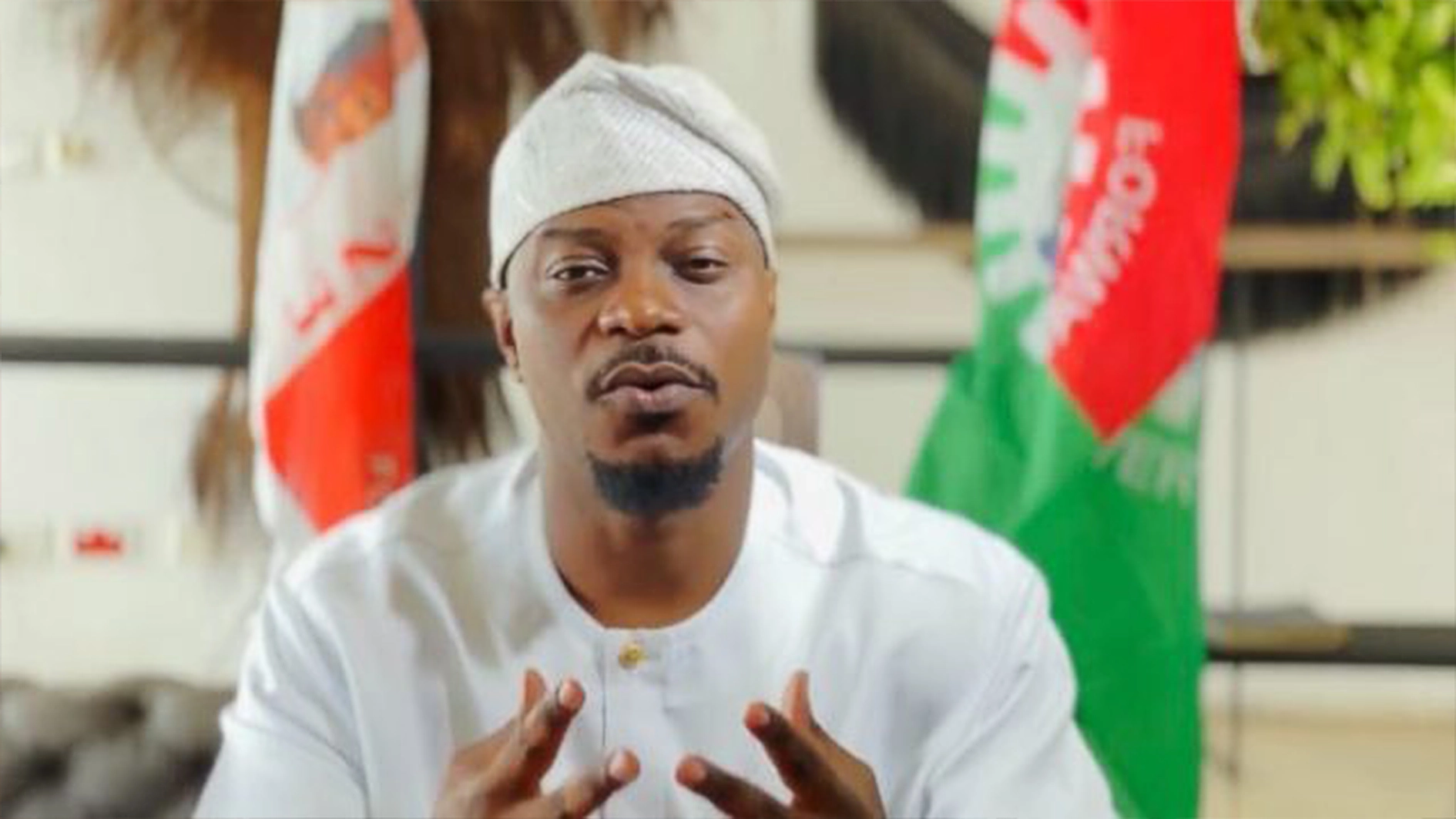
The rise of the Obidient movement transformed the political landscape, with many opposition-minded voters abandoning the PDP for Labour Party candidate Gbadebo Rhodes-Vivour. The result was disastrous for the PDP, which finished a distant third, while Rhodes-Vivour emerged as the face of opposition politics in Lagos.
Many observers believe that the election fundamentally altered the opposition landscape and forced the PDP into a prolonged period of introspection and rebuilding.
Wallowing in denial?
DESPITE growing concerns about its relevance, the Lagos PDP insists it remains a formidable political force.
The party’s Publicity Secretary, Prince Christopher Odianarewo, said the process leading to the emergence of its governorship candidate had been concluded through the appropriate party organs.
“The Lagos State PDP remains committed to due process, internal democracy and the provisions of our party constitution. As of now, the official processes leading to the emergence of the party’s governorship candidate for the 2027 election have been concluded through the recognised and duly constituted organs of the party,” he said.
Odianarewo maintained that the party would communicate its official position through authorised channels at the appropriate time.
He also dismissed claims of factionalisation, insisting that those claiming alternative leadership structures were not recognised members of the party.
“For the avoidance of doubt, there are no factions within the Lagos State chapter of the PDP.
“The individual known as Deji Doherty and his cohorts are not members of the PDP, as they are not duly registered on the party’s official membership registration portal.
“What we have are a few unscrupulous elements being sponsored by the Minister of the Federal Capital Territory to create disaffection, confusion and division within the PDP in Lagos State. Their efforts have consistently failed.”
According to him, the party remains united under the leadership of State Chairman, Dr Amos Fawole, and is committed to providing Lagosians with a credible alternative.
“No amount of external interference or political mischief can derail our collective resolve to strengthen the PDP and position it for greater success in the future,” he stated.
While acknowledging that disagreements exist, Odianarewo argued that such challenges are common in political organisations.
“Every major political party experiences periods of internal disagreements and reorganisation. The PDP is no exception. What distinguishes a strong political party is its ability to resolve differences and emerge stronger.”
He said the party was strengthening its structures, expanding membership, and pursuing reconciliation efforts to address lingering disputes.
Expressing confidence in the party’s prospects ahead of 2027, Odianarewo argued that developments at the national level would further strengthen the PDP.
“With the emergence of His Excellency Goodluck Ebele Jonathan as our party’s presidential candidate for the 2027 general election, the PDP remains the political party to beat.
“His proven leadership, experience and national appeal have reignited hope across the country and positioned the PDP as the most credible platform for national renewal and progress in 2027.”
He maintained that the PDP was prepared to offer Lagosians an alternative government.
“Our message to Lagos voters is simple: do not lose faith in democracy and do not believe the narrative that there is no alternative to the current administration.
“The PDP is listening to the concerns of Lagosians. We understand residents’ frustrations with the economy, transportation, housing, unemployment, education, healthcare, and the high cost of living.
“We urge Lagosians to judge political parties by their vision, policies and commitment to the people. The PDP is determined to provide transparent leadership, accountable governance and a fresh direction that prioritises the welfare and aspirations of every resident of Lagos State.”
Familiar blight
SINCE 1999, opposition parties in Lagos have struggled with a recurring challenge: weak organisation and unstable leadership.
Political analyst, Gboyega Oyewo, said the developments within the PDP, ADC and NDC reflect longstanding problems.
“While public dissatisfaction with government may create opportunities for political challengers, internal cohesion often determines whether those opportunities can be converted into electoral success,” he said.
According to him, the APC enters the contest with the advantages of incumbency, an extensive political structure and relative organisational stability, while the opposition remains distracted by internal disputes.
“The PDP is battling perceptions of decline following its disappointing outing in 2023, while the ADC is now confronting questions over the credibility of its governorship primary and the controversy surrounding the emergence of its candidate.”
On who stands to benefit from the opposition’s troubles, Oyewo said the answer is obvious.
“History has shown that fragmented opposition parties often struggle to mount effective challenges against entrenched ruling parties. The developments within both the PDP and ADC raise questions about whether opposition forces in Lagos have learned the lessons of previous elections.”
For Lagos voters seeking a credible alternative to the APC, the months ahead will be crucial. The PDP says it is rebuilding. The ADC insists it offers a viable alternative. The NDC is trying to establish itself as a fresh platform.
Yet the ability of these parties to overcome internal disputes may ultimately determine whether they emerge as serious contenders or remain mere participants in the 2027 governorship race.

