 Follow Us on Google News
 Follow Us on Google Discover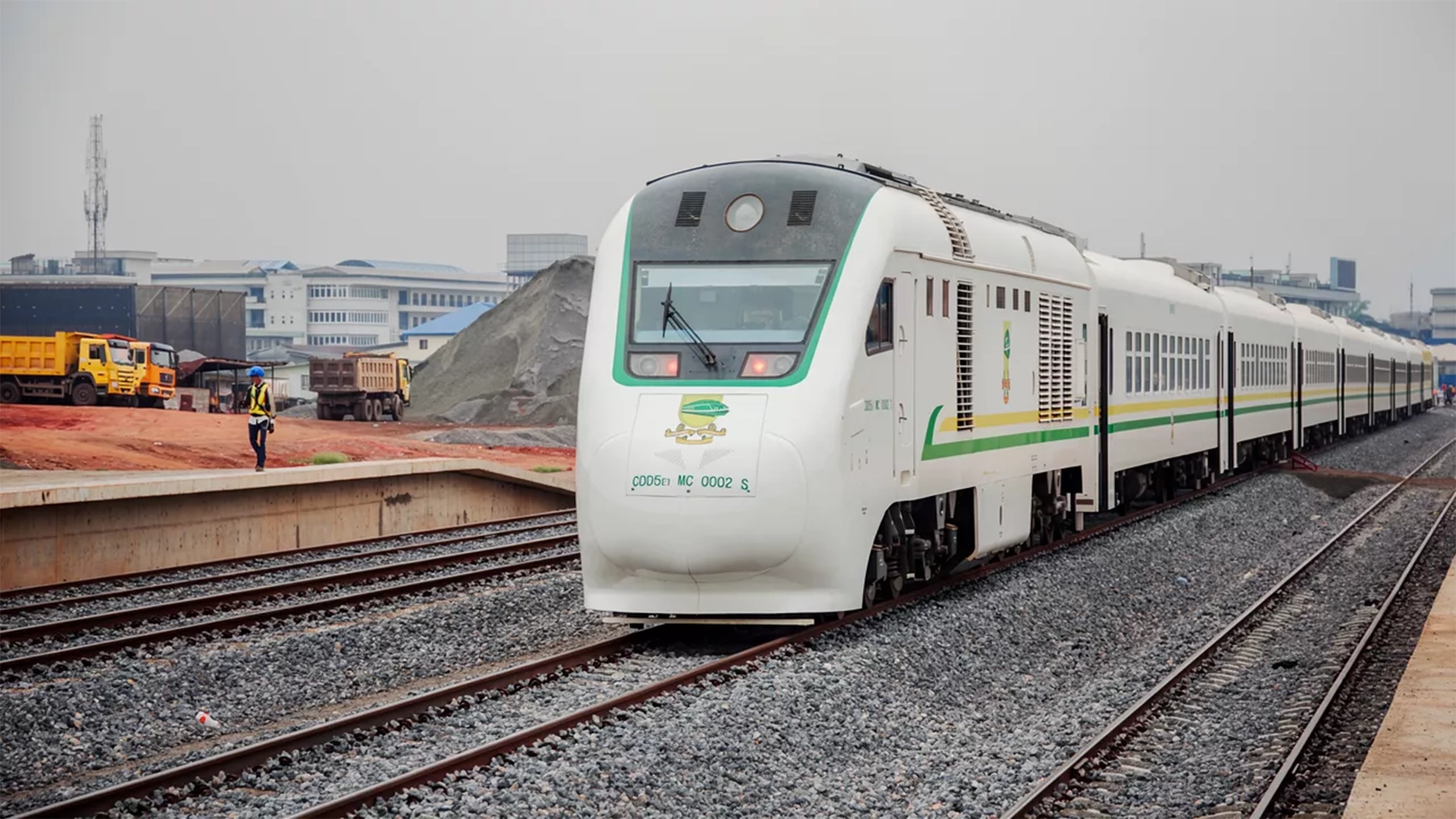
Given the central role that rail transportation plays in a burgeoning economy like Nigeria, recent lamentation by the Nigerian Railway Corporation (NRC) that suspected vandals and criminal elements have intensified attacks on its train operations along the Abuja–Kaduna rail is both sobering and alarming. While the attacks are condemnable, the attackers should be tracked and brought to book to restore travellers’ confidence.
The NRC, in a statement signed by its Chief Public Relations Officer, Callistus Unyimadu, said that the latest incident occurred around Kilometre 177, where unidentified individuals, allegedly quartered near the track, hurled projectiles at a speeding train, in the process damaging the leading locomotive’s windscreen.
The corporation recalled that similar attacks were recently recorded in over six locations along the corridor. The locations include GidanBusa/Sarki Gora Village in Kakau District, Chikun Local Council of Kaduna State.
For a country of over 230 million people, a multimodal means of transportation is a sine qua non. Because of its capacity to ferry both goods and services from one part of the country to the other cheaply and effectively, rail transportation occupies a strategic position in the tripod. That is why the authorities of both NRC and security agencies should work proactively together to deal firmly with the marauders and restore credibility and safety to train services.
Significant as the multibillion naira that the late former President Muhammadu Buhari-led administration spent on expanding and improving the country’s rail infrastructure, the frequency of these attacks within such a short period not only disrupts operations, endangers lives, and makes the services less sought after by Nigerians, but it also amounts to economic sabotage of critical national infrastructure,” he said.
After gunmen used explosives to first blow up the rail track before opening fire on the train near Abuja in March 2022, killing a number of the nearly 1,000 passengers on board, and holding the other hostages for months, the Federal Government repeatedly assured Nigerians that all would be done to safeguard the lives of Nigerians on board the trains.

The security breach, having broken the “haven” outlook that the Abuja-Kaduna train service possessed, led to a deep-seated public distrust in state-provided security and public infrastructure. Sadly, as confidence was just returning, the NRC is now complaining about the mindless bloodletting on rail tracks that has continued despite a litany of assurances from the government. This failure on the part of the government has, in no small way, contributed to the dwindling interest that Nigerians have in rail services.
For years now, Nigeria has been nursing the dream of linking the Apapa/Tin Can Ports to the hinterlands via rail, all in a bid to ease pressure on its crammed and dilapidated roads. The failure to actualise this dream has also spawned considerable economic waste.
The rising vulnerability of rail transportation has led to a surge in insurance premiums for rail freight. This ballooning of insurance premiums for rail freight is forcing businesses that hitherto moved farm produce, food items or goods by rail to return to the over-congested and crumbling roads.
The increasingly unsafe rail leg of the multimodal arrangement leaves the entire country heavily reliant on sea and road. This over-reliance on 18 and 24-wheelers for bulk goods movement further exacerbates the deterioration of road infrastructure, in addition to increasing goods and food waste in transit.
Besides the long-term psychological trauma, which is compounded by captivity ordeal in the case of abductions that survivors and their family members contend with, the Abuja-Kaduna train attack and the ones that followed have had a horrible effect on Nigeria’s economy, security, social psyche and international reputation.
With the trains becoming high-value targets for “kidnap-for-ransom” operations, the incessant service suspension on the affected routes for safety audits, track repairs and the rest constitute economic losses to all parties involved.
The over eight-month suspension of the Abuja-Kaduna service following the March 2022 attack remains a classic example of the ugly aftermath of attacks, as the NRC lost hundreds of millions of naira in ticket sales and freight charges. While chronic insecurity playing out on critical transport corridors deters investment in the sector by both local and foreign investors, the cost of doing business is bound to skyrocket, and add to the worsening commuters’ plight.
Most major cities in the world enjoy seamless, swift and comfortable train services, so Nigerians are in no way asking for too much by calling on the Federal Government to take its duty of protecting the lives and property of Nigerians more seriously, as doing otherwise simply amounts to shirking its responsibility as well as failing in the discharge of its oath of office.
Presently, the persistence of attacks on the country’s rail network is a massive hit on the country’s “intermodal” dream. This, therefore, necessitates the government fashioning out a multi-layered security strategy that prioritises prevention over reaction. Understudying contemporaries on ways of keeping their rail transport system safe and free from incessant stoppages is the way to go.
In addition to this, the government must, as a matter of urgency, latch on to technology to save the situation. This can be done by deploying a digital fence along rail corridors. Still, as a way of being ahead of the criminals, the government can deploy high-altitude, long-endurance drones as well as fibre-optic sensors embedded along rail tracks to detect human presence and vibrations in real-time.
As the NRC tinkers with the “community support” model, which entails training and paying locals (who understand the terrain better than the military) to watch over the tracks as early-warning informants, there must also be dedicated helipads within reasonable distance to ensure that help gets to victims of halted, attacked or derailed trains within the shortest possible times, rather than hours, which is almost the case now.
While rail transportation remains far cheaper than air travel, it may be difficult to sustain the patronage of high-risk routes by Nigerians, who are running away from kidnappers on the highways. The “ghost station” effect during trips in the evenings is a clear pointer to the fact that sustained attacks are eroding confidence in the train as a safe means of transport in the country.
But one thing is certain—the nation would benefit most from a safe and secure rail transportation system, as millions crisscross the country daily in search of daily bread, just as wastage of millions of tonnes of food due to sloppy movement from farm gates to the markets would be massively reduced. These gains will be predicated only on safe rail travel.

