 Follow Us on Google News


 Follow Us on Google Discover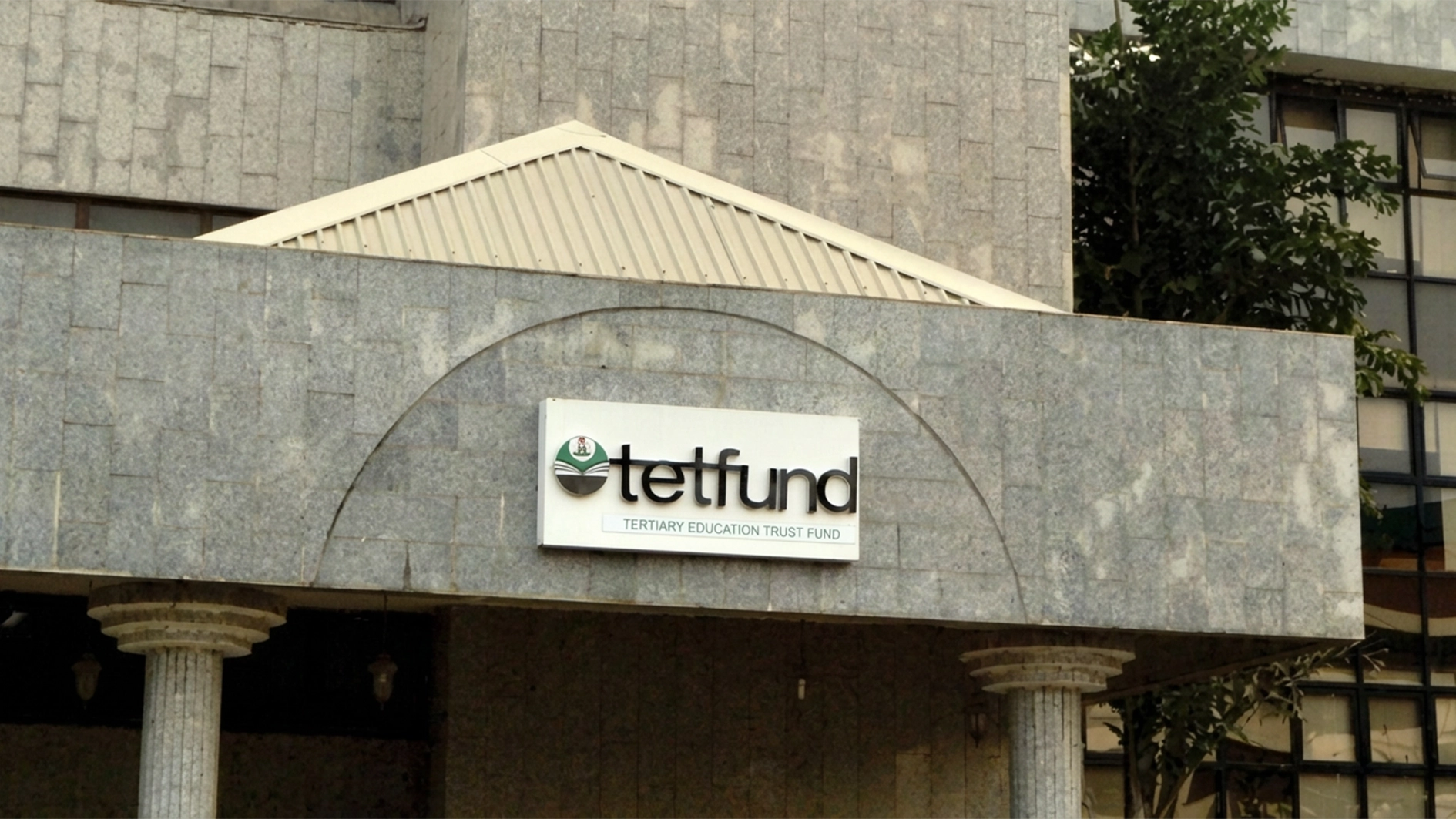
Nigeria’s long-running struggle to build a globally competitive research infrastructure may finally be inching towards a breakthrough going by recent disclosure by the Executive Secretary, Tertiary Education Trust Fund (TETFund), Sonny Echono, that four of the six proposed multi-purpose zonal laboratories across the country will become operational before 2027.
The announcement, made at the presentation of Advisory Committee report on the Equipping of TETFund Multipurpose Zonal Laboratories in Abuja, represents more than a routine infrastructure update. It reflects a broader attempt by Nigeria to reposition its tertiary education and research system in response to growing global competition in science, technology, innovation and industrial development.
For decades, universities and research institutions have struggled under the burden of obsolete laboratory facilities, inadequate research equipment and weak funding support. This has limited the capacity of local institutions to conduct cutting-edge scientific research, forced many scholars to seek opportunities abroad and weakened the country’s ability to compete in knowledge-driven sectors of the global economy.
The proposed zonal laboratories are therefore projected, not merely as academic facilities but strategic national assets designed to support industrial transformation, technological innovation, post-graduate training and public health research.
Echono’s remarks revealed that the concept itself is not new. According to him, the plan to establish regional multi-purpose laboratories had existed for over a decade but was stalled by creation of new universities.
Successive administrations have established numerous universities to meet rising demands for higher education. Yet, many of those institutions have continued to face severe infrastructure deficits, inadequate staffing and poor laboratory capacity. Critics have often argued that the rapid expansion of universities without corresponding investments in research ecosystems has weakened academic quality and reduced Nigeria’s global competitiveness in scientific output.

Consequently, TETFund’s renewed push for centralised zonal laboratories will address a longstanding structural weakness in research architecture. Such a model mirrors practices in many advanced economies, where specialised research centres serve clusters of universities, industries and innovation ecosystems. Theoretically, the approach may reduce duplication of resources while allowing researchers access to high-end equipment that individual universities may be unable to procure.
Echono’s description of the laboratories as “engines of growth” capable of stimulating industrial transformation also reflects a growing recognition that research institutions play crucial roles in economic development. Countries that have successfully industrialised have historically built strong connections between universities, scientific research and manufacturing sectors.
The emphasis on world-class laboratories heightened in the aftermath of the global health and technological disruptions. The COVID-19 pandemic exposed the vulnerability of countries with weak research systems and limited domestic scientific capacity. Across Africa, many countries faced difficulties conducting large-scale medical testing, vaccine development and advanced scientific analysis due to inadequate laboratory infrastructure. Nigeria’s experience during the pandemic reinforced calls for stronger investments in research institutions to respond to health emergencies, industrial challenges and technological demands. Echono’s comments suggest that TETFund views the zonal laboratories as part of that broader national preparedness strategy.
The decision to prioritise four facilities before 2027 equally suggested a pragmatic attempt to achieve measurable progress while managing limited resources. Kano, identified as one of the leading sites, is expected to begin receiving equipment before August this year, while three additional laboratories are projected to reach completion stages by February next year.
The phased approach may help TETFund avoid one of the most common criticisms associated with public infrastructure projects in Nigeria – commissioning of incomplete or non-functional projects for political publicity. By synchronising equipment procurement with building completion, the agency is determined to ensure that the facilities become operational immediately after completion.
That concern was also echoed by the Chairman, Advisory Committee, Dr Chris Maiyaki, who warned against installing sophisticated scientific equipment in unfinished buildings as environmental conditions such as temperature control, ventilation and structural stability are essential for protecting highly sensitive equipment.
The committee’s verification visits to the six host institutions further revealed uneven progress across the project sites. According to Maiyaki, Bayero University, Kano, had reached roughly 80 per cent completion, making it the most advanced facility, while projects at the University of Maiduguri and the University of Nigeria, Enugu Campus, remained at relatively early stages.
The six host institutions – Bayero University Kano, Yakubu Gowon University, Abuja, University of Lagos, University of Maiduguri, University of Nigeria, Enugu Campus and University of Port Harcourt, reflected an attempt to distribute the facilities across the country’s geo-political zones to ensure wider accessibility.
Another notable aspect of the initiative is the effort to maintain quality assurance in equipment procurement. Echono disclosed that members of the advisory committee will continue to participate in verifying equipment specifications, including possible pre-shipment inspections to minimise the risks of sub-standard procurement
Maiyaki also said the committee developed a multidisciplinary equipment framework covering engineering, physical sciences, life sciences, information technology and specialised laboratory systems. Pundits believed that such facilities can significantly enhance post-graduate training, innovation capacity and collaborative research across universities.
For observers, the project signals a renewed recognition that national development is closely tied to investment in knowledge, innovation and scientific capacity. With four of the laboratories expected to become operational before 2027, stakeholders said the initiative may mark the beginning of a new era of a globally competitive research, innovation and technological advancement centres.

