 Follow Us on Google News
 Follow Us on Google Discover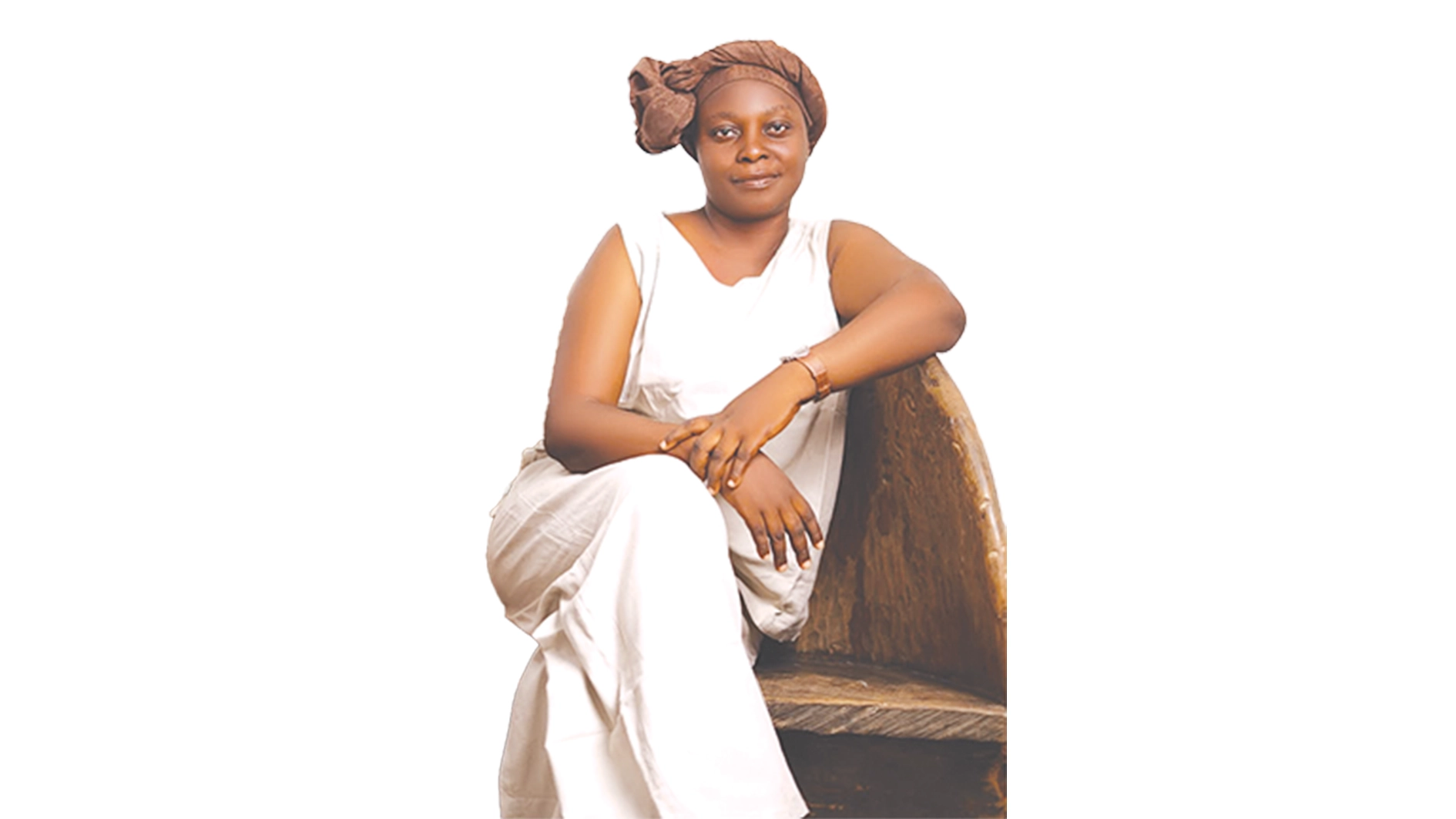
Earlier this year, Mrs. Ayeni travelled to Zambia and toured farms across the country to study what is working elsewhere on the continent. She returned with concrete lessons: irrigation systems that liberate farmers from dependence on rainfall, cooperatives run with business discipline and proper records, aggregation centres that link farmers directly to processors, and mechanisation that multiplies the productivity of a single farmer. None of it, she notes, was magic. It was organisation, investment, and consistency.
There is a 50-hectare farm in Kakun, Kogi State, where one of Nigeria’s quietest but most important battles is being fought. The enemy is hunger. The weapon is the oil palm. And the general is a woman named Folashade Ayeni.
As CEO of Babaeko Farms, Mrs. Ayeni runs a mixed crops enterprise built around oil palm cultivation, with one clear objective: produce palm oil at scale to help close the gap between what Nigeria consumes and what it produces. It is a gap that should embarrass every Nigerian. This country was once the largest palm oil producer in the world. Today, we import a significant share of what ends up in our pots. Mrs. Ayeni belongs to a growing class of agripreneurs who refuse to accept that as permanent.
Her influence now extends well beyond the farm gate. She was recently elected Chairman of Durotoluwa Multipurpose Cooperative Society in Kabba/Bunu Local Council of Kogi State. It is a position that matters more than its modest title suggests. Cooperatives are the connective tissue of rural agriculture. They are how smallholders pool resources, access inputs, negotiate fair prices, and learn from one another. When a cooperative works, an entire community farms better. When a woman leads one, every girl in that community sees what is possible.
That last point deserves emphasis. Across Nigeria, women carry a huge share of the agricultural workload. They plant, weed, process, and sell. Yet they hold a fraction of the land titles, the credit, and the seats at the table where decisions are made. This is not just unfair to women. It is a drag on national food security. No country can feed over 200 million people while sidelining half of its farming workforce. Leaders like Mrs. Ayeni are not just running businesses. They are correcting an imbalance that has cost Nigeria dearly.
She is also doing her homework. Earlier this year, Mrs. Ayeni travelled to Zambia and toured farms across the country to study what is working elsewhere on the continent. She returned with concrete lessons: irrigation systems that liberate farmers from dependence on rainfall, cooperatives run with business discipline and proper records, aggregation centres that link farmers directly to processors, and mechanisation that multiplies the productivity of a single farmer. None of it, she notes, was magic. It was organisation, investment, and consistency.
Her conviction is that Kogi State can replicate and surpass it. The state has the land, the water, and the climate for oil palm, cassava, maize, and rice. What it needs is the deliberate transfer of best practices and serious backing for farmers who have proven they will do the work.
The implications stretch far beyond Kogi. Food security is national security. A country that cannot feed itself negotiates everything else from a position of weakness. Every hectare of oil palm planted in Kakun, every cooperative strengthened in Kabba/Bunu, is a small repair to Nigeria’s sovereignty over its own dinner table.
There are lessons here for three audiences. Government, at state and federal levels, should treat women farmers as the strategic asset they are, with access to land, credit, and extension services delivered in disbursements rather than speeches. Investors should look at the palm oil shortfall and see what it actually is: a large, hungry market waiting for serious players, with people like Mrs. Ayeni already on the ground. And young Nigerians, especially young women, should look at her trajectory and understand that agriculture is no longer a fallback. It is a frontier.
Folashade Ayeni did not wait for the system to fix itself. She planted. She organised. She travelled to learn and came home to apply. In a country where hunger is too often discussed and too rarely confronted, that is leadership worth writing about. More importantly, it is leadership worth replicating, from Kabba/Bunu to every farming community in Nigeria.

