 Follow Us on Google News


 Follow Us on Google Discover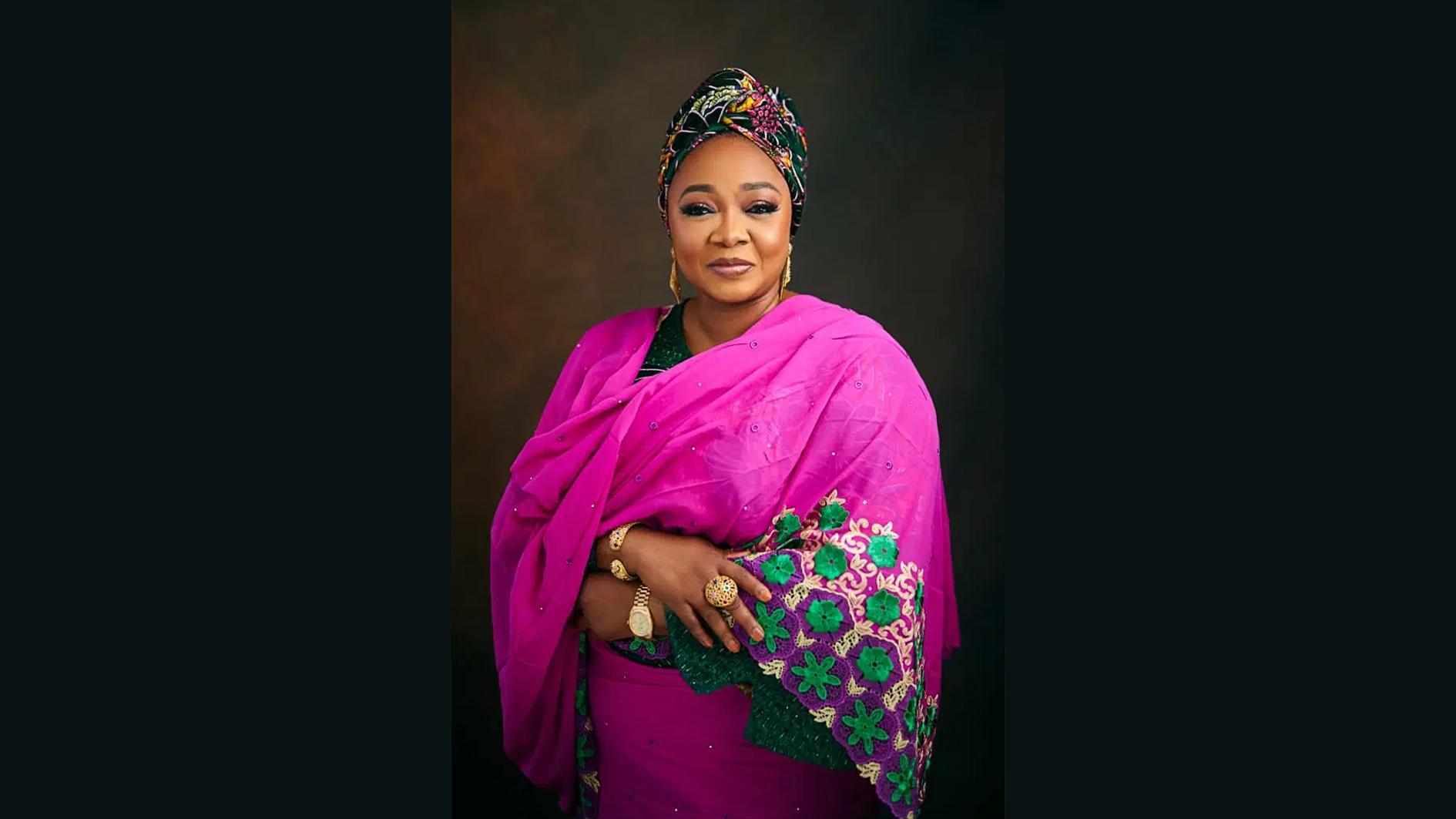
… Moves to close long-standing gaps
The Federal Government has unveiled more than 40 new and revised policy frameworks aimed at strengthening the protection of women, children, families, and other vulnerable groups, in what officials describe as one of the most comprehensive social sector reforms in recent years.
The reforms emerged from a four-day National Review and Validation Meeting on Nigeria’s Periodic Reports to the United Nations and Strategic Policy Documents on Women, Children, Families and Vulnerable Groups, held in Abuja.
Speaking at the closing ceremony, the Minister of Women Affairs and Social Development, Hon. Imaan Sulaiman-Ibrahim, said the initiative was driven by the need to address long-standing weaknesses that have hindered effective service delivery despite the existence of numerous policies and legal commitments.
According to the minister, a diagnostic review conducted by the ministry revealed significant gaps in implementation systems, outdated policy instruments, weak coordination among institutions, and the absence of operational guidelines needed to translate policy objectives into meaningful outcomes.
She noted that while Nigeria had made several commitments at national, regional, and international levels, many women, children, and vulnerable citizens continued to face violence, exclusion, poverty, and inadequate social protection.

“The true strength of a nation is reflected in the lives it uplifts and the protection it provides for its most vulnerable citizens,” she said.
Among the major outcomes of the exercise was the validation of Nigeria’s Combined Fifth to Eighth Periodic Reports to the United Nations Committee on the Rights of the Child, ending years of reporting backlog and reaffirming the country’s commitment to international human rights obligations.
The newly validated frameworks cover four broad pillars: women, children, families, and vulnerable populations.
Key documents include the National Boy Child Policy, the Revised National Children Policy, the National Family Policy, the National Care Economy Policy, the National Adoption Policy, and the National Policy on the Management of Sexual and Gender-Based Violence and Sexual Assault Referral Centres.
Other strategic instruments include guidelines for childcare centres, orphanages, workplace protection against violence and harassment, and safeguarding standards for adults responsible for accompanying children and vulnerable persons.
The government said the policies are designed to strengthen child protection systems, improve family welfare, promote gender equality, expand economic opportunities for women, and enhance accountability within social service institutions.
A major feature of the reforms is the recognition of care work as a critical economic sector through the National Care Economy Policy. Officials say the framework seeks to reduce the burden of unpaid care work on women while creating opportunities for increased participation in the formal economy.
The reforms also place emphasis on emerging challenges such as online safety, digital protection for children, workplace harassment, and climate-related vulnerabilities affecting women and children.
Sulaiman-Ibrahim disclosed that climate gender justice has now been formally integrated into the country’s social development strategy, acknowledging the disproportionate impact of climate change on women and vulnerable populations.
To support implementation, the ministry announced plans to strengthen Women Development Centres across all 774 local government areas and establish clear accountability mechanisms among federal, state, and local government institutions.
The minister further revealed that both the Child Rights Act and the Violence Against Persons (Prohibition) Act are currently undergoing legislative reviews to address evolving social realities and emerging forms of vulnerability.
Stakeholders at the meeting stressed that the success of the new frameworks would depend largely on effective implementation.
Representatives of state governments, development partners, civil society organisations, and humanitarian agencies called for stronger coordination, adequate funding, and sustained political commitment to ensure that the policies translate into measurable improvements in people’s lives.
In a goodwill message, Ondo State Commissioner for Women Affairs and Social Development, Dr. Seun Osamaye, described the exercise as a critical step towards advancing the rights and welfare of women, children, vulnerable groups, and families.
She urged stakeholders to remember that behind every policy document are real people seeking safety, dignity, inclusion, and opportunity.
Similarly, the National Emergency Management Agency (NEMA) highlighted the need for stronger protection mechanisms during disasters and humanitarian crises, noting that women, children, and persons with disabilities often bear the greatest burden during emergencies.
The agency pledged support for the implementation of the validated frameworks and revealed that it is developing a Gender and Social Inclusion Policy to strengthen inclusive humanitarian response efforts.
As the meeting concluded, participants agreed that while the validation of the policy frameworks represents a significant milestone, the real challenge lies in ensuring that the reforms deliver tangible benefits to communities across the country.
For millions of Nigerian women, children, and vulnerable families, the effectiveness of the new frameworks will ultimately be measured not by the number of documents produced, but by improvements in safety, inclusion, economic opportunities, and access to essential services.

