 Follow Us on Google News


 Follow Us on Google Discover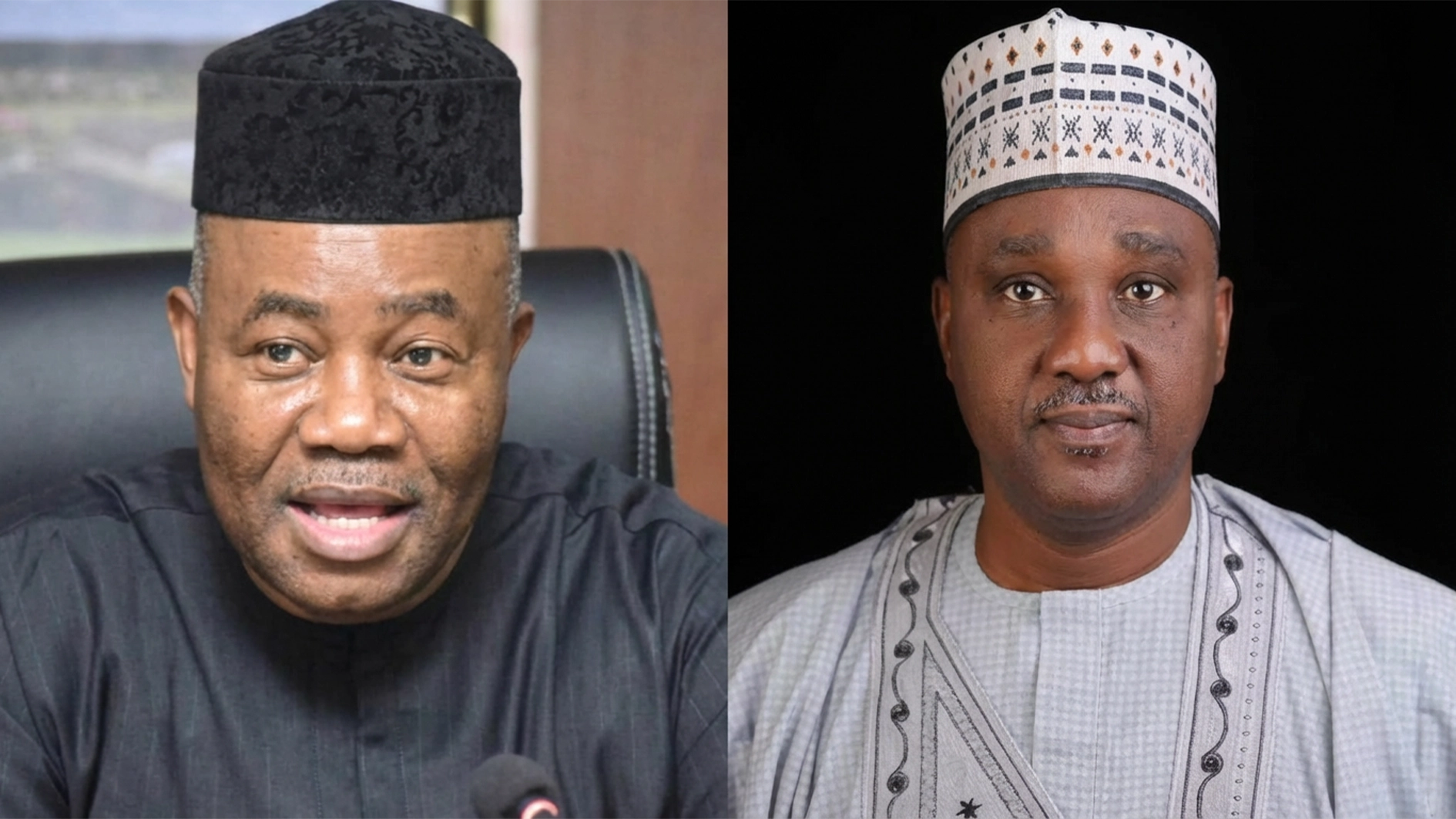
Socio-Economic Rights and Accountability Project (SERAP) has given the Senate President, Godswill Akpabio, and the Speaker of the House of Representatives, Tajudeen Abbas, seven days to ensure that members of the Senate and House of Representatives refund and return to the public treasury all monies, allowances, and benefits derived from the N110 billion vehicle procurement and support allowance schemes declared unlawful by the Federal High Court.
SERAP urged Akpabio, Abbas and the National Assembly to immediately establish effective mechanisms to ensure that all future procurements and expenditure of public funds comply strictly with due process requirements and are guided by the principles of transparency, accountability and value for money.
The organisation also urged them to institutionalise public hearings on the lawmakers’ budget during every budget cycle and proactively publish the National Assembly’s detailed budgetary and expenditure information to enhance transparency, strengthen public confidence, and promote meaningful public participation in the budgeting process.
The requests followed the judgment of the Federal High Court in Lagos, delivered by Justice Yellim Bogoro in Suit No. FHC/L/CS/1606/2023, which found that the spending of N40 billion on 465 vehicles for lawmakers and N70 billion in support allowances for newly elected members breached procurement laws, constitutional obligations, and the public trust.
In the letter at the weekend, signed by SERAP’s Deputy Director, Kolawole Oluwadare, the organisation said that, following Justice Bogoro’s judgment, there must be consequences and full restitution for the lawmakers’ failure to comply with their constitutional and statutory obligations, particularly in relation to the unlawful expenditure of the N110 billion, as found by the court.
According to the body, no public official should be permitted to retain benefits obtained through conduct that has been judicially determined to be unlawful and unconstitutional, noting that restitution is necessary to uphold the rule of law, restore public trust, and ensure accountability for violations of constitutional and statutory duties.

Citing Section 15(5) of the Nigerian Constitution, the group said it required the state to abolish all corrupt practices and abuse of power, adding that where a court finds evidence of self-dealing, conflict of interest, and unlawful expenditure of public funds, public institutions are under a constitutional obligation to remedy the resulting harm.

