 Follow Us on Google News
 Follow Us on Google Discover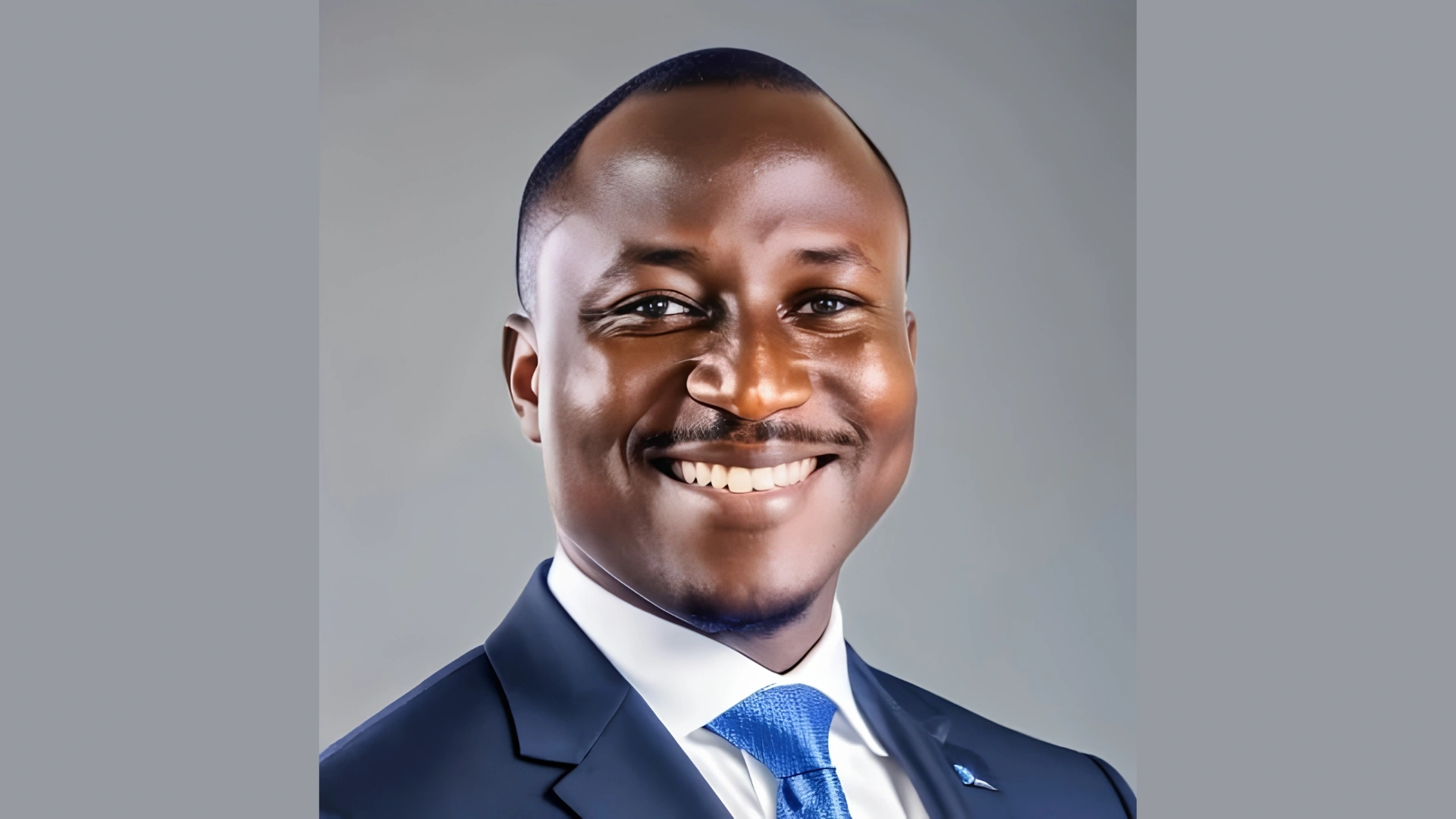
As the world marks World Wealth Day 2026 today, its founder, Seth Oyinloye, is calling for a fundamental rethink of how societies define wealth, arguing that economic success should be measured not only by financial growth but by the quality of human life it creates.
Speaking ahead of this year’s observance on June 22, Oyinloye said the 2026 theme, Designing the Well-Being Economy, seeks to deepen a conversation that began with last year’s declaration that “wealth is well-being.”
According to him, the challenge facing societies today is no longer simply understanding the concept of wealth but designing systems that consistently generate human flourishing.
“Last year, we made a powerful statement that wealth is well-being,” Oyinloye said. “But one year later, a deeper truth confronts us: we may understand wealth, but we have not designed a world that consistently produces well-being.”
He noted that despite unprecedented advances in technology, innovation and productivity, many people around the world continue to struggle with insecurity, burnout, social disconnection and declining quality of life.
“We live in a time where artificial intelligence is advancing faster than human connection, productivity is rising while peace of mind is declining, and innovation is accelerating while meaning is disappearing for many people,” he said. “Something is no longer adding up.”

According to Oyinloye, the issue extends beyond economics and reflects deeper structural challenges within modern institutions and systems.
“We are not failing because people are not trying hard enough. We are failing because many of the systems we inherited were not designed for the kind of life people now seek,” he said.
This year’s World Wealth Day therefore focuses on what Oyinloye describes as the urgent need to redesign economies, businesses, technologies, public institutions and communities around human well-being rather than purely financial outcomes.
He explained that a well-being economy is one in which economic growth supports human dignity, innovation serves people, and prosperity is measured by how well individuals and communities live rather than by output alone.
“In a well-designed economy, work supports life instead of competing with it. Financial systems expand access instead of exclusion. Technology empowers people instead of exploiting them. Communities become places where people are seen, supported and connected,” he said.
The concept of well-being economics has gained increasing attention globally in recent years as policymakers, economists and business leaders explore alternatives to traditional measures of progress such as Gross Domestic Product (GDP), arguing that economic performance should be assessed alongside indicators such as health, happiness, social cohesion and environmental sustainability.
Oyinloye said achieving such a future requires contributions from governments, businesses, innovators, communities and individuals alike.
He stressed that World Wealth Day 2026 is not a rejection of ambition, entrepreneurship or economic growth, but rather a call to align them more closely with human development.
“The future of wealth will not be defined only by what we own,” he said. “It will be defined by what we build that allows people to live well.”
World Wealth Day is observed annually to encourage conversations around wealth creation, financial empowerment, human development and sustainable prosperity. This year’s theme places particular emphasis on designing systems that enable individuals and communities to thrive in an increasingly complex and interconnected world.

