 Follow Us on Google News


 Follow Us on Google Discover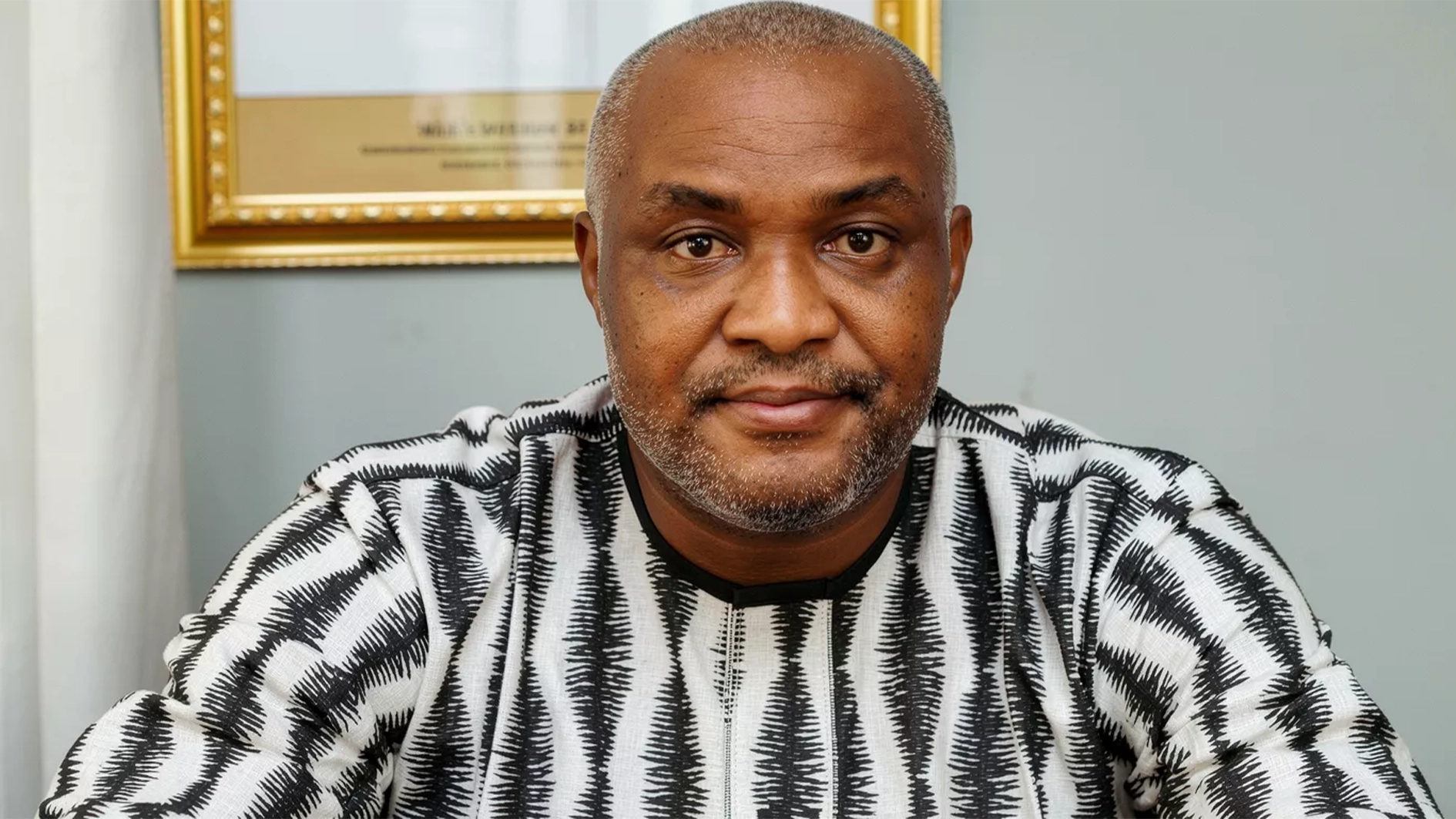
The Human Rights Writers Association of Nigeria (HURIWA) has warned that the twin challenges of vote buying and insecurity pose serious threats to the credibility of the 2027 general elections.
The rights group urged authorities to take decisive action against both problems, warning that their continued spread could further undermine Nigeria’s democratic process and weaken public confidence in future elections.
The concerns were raised on Wednesday in Abuja during HURIWA’s 18th National Lecture themed, “Achieving Free and Fair Elections in Nigeria 2027,” where security experts, academics and civil society leaders examined the conditions necessary for credible polls.
Speaking at the event, HURIWA National Coordinator, Comrade Emmanuel Onwubiko, described vote buying as a growing electoral menace that has gradually evolved into an organised practice capable of distorting the will of the electorate.
According to him, transparent and credible elections remain essential to producing leaders capable of addressing Nigeria’s numerous socio-economic and developmental challenges.
“If you have a transparent election, a free and fair election, we will get the right kind of people into the most appropriate offices in Nigeria so that they can tackle the multidimensional development challenges facing the country,” he said.

Onwubiko expressed concern that vote buying had become deeply entrenched in the country’s electoral system, warning that votes were increasingly being treated as commodities to be negotiated and traded.
“It’s almost becoming like trading. Votes of Nigerian voters are negotiated, sold and bought. This terrible crime has been going on for quite some time,” he stated.
The HURIWA coordinator lamented what he described as the failure of government institutions to tackle the problem with the urgency it deserves, warning that continued inaction could allow vote-buying syndicates to become as organised and profitable as kidnapping networks.
He said the development mirrors the early days of kidnapping in Nigeria, when authorities failed to act swiftly, allowing the crime to grow into a multi-billion-naira criminal enterprise.
“HURIWA fears that if no action is systematically and comprehensively adopted and sustained over time, vote buying will become a major commercial franchise whereby members of vote-buying syndicates could develop a sophisticated enterprise of selling votes to political office aspirants. By that time, it may be too late to contain and defeat it,” he warned.
Onwubiko cited research findings suggesting that widespread poverty and economic hardship have contributed significantly to the rise of vote trading in Nigeria, trapping many voters in transactional relationships with politicians.
He called on the Independent National Electoral Commission (INEC), the Economic and Financial Crimes Commission (EFCC), the Independent Corrupt Practices and Other Related Offences Commission (ICPC), the police and other security agencies to strengthen efforts aimed at combating electoral corruption.
According to him, the EFCC and the police should be more proactive in arresting and prosecuting individuals involved in vote buying and vote selling.
He argued that credible elections would remain elusive as long as politicians and voters continue to engage in the exchange of cash for votes.
The issue of election security also featured prominently at the event, with the Minister of Defence, General Christopher Musa, warning that insecurity across various parts of the country remains a significant threat to the conduct of free and fair elections in 2027.
Represented by his Senior Special Assistant on Legal and Public Service Matters, Barrister Aliu Anas, the minister said national security and electoral integrity are inseparable and must be protected simultaneously.
“There is a link between security and electoral integrity. National security and electoral integrity are two sides of the same coin of national stability,” he said.
Musa noted that threats such as insurgency, banditry, communal conflicts and digital disinformation campaigns could undermine the electoral process if not effectively addressed.
He disclosed that the Federal Government had prioritised election security and was working closely with INEC, the Nigeria Police Force, intelligence agencies and other relevant institutions to ensure a secure environment for the 2027 polls.
The minister stressed that safeguarding elections requires a collective effort involving government institutions, communities and citizens.
He particularly expressed concern over the activities of informants who aid criminal groups, describing them as a major obstacle to security operations across the country.
According to him, citizens must support security agencies by providing useful information capable of preventing attacks and disrupting criminal networks.
Delivering the keynote lecture, political analyst and public affairs commentator, Professor Okey Ikechukwu, shifted attention to what he described as the opposition’s failure to develop effective strategies capable of challenging the ruling party.
The scholar argued that while concerns about electoral transparency remain valid, opposition parties have largely failed to build the structures and grassroots networks required to win elections.
“The opposition is not preparing to win this election,” Ikechukwu declared.
He maintained that political victories are secured through planning, organisation and strategic engagement rather than emotional appeals.
According to him, many opposition leaders spent the period after the 2023 elections complaining about the outcome rather than studying the factors that led to their defeat and preparing adequately for future contests.
“The opposition has not learned why it lost. It had an opponent that was organised and strategic, but many of those challenging it remain fragmented and are making emotional and moral arguments without building structures on the ground,” he said.
Ikechukwu further observed that many opposition parties were struggling with internal divisions and leadership tussles, a situation he said could weaken their prospects in 2027.
He urged political actors seeking power to focus on voter mobilisation, grassroots engagement and strategic planning rather than relying solely on public sentiment.

