 Follow Us on Google News
 Follow Us on Google Discover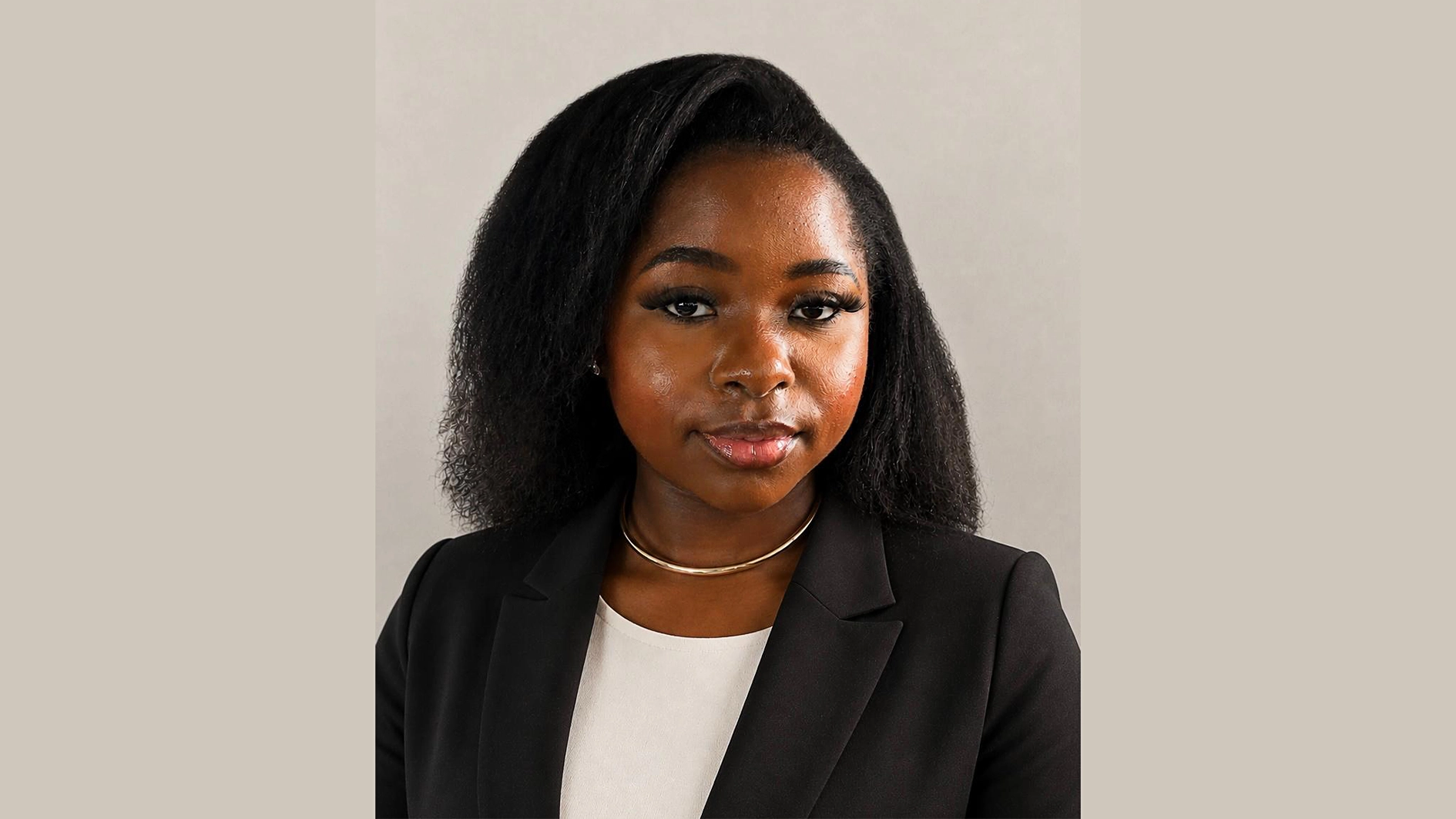
As private education expands across West and Central Africa, many schools are confronting a problem that is less visible than classrooms, textbooks or exam results, but just as important: how to run growing institutions with reliable records, transparent reporting and systems that can support students across borders.
That question has become central to the work of Lynne Yenwo, a Cameroonian engineer whose education technology work at Mike Denny International Institute of Excellence in Yaoundé is beginning to attract attention beyond Cameroon.

The school, which serves students from several countries including Nigeria, has grown from a small institution into a multi-level school serving nursery, primary, secondary and high school learners. With that growth came the operational challenges familiar to many private schools in the region: managing admissions, attendance, academic records, reports, parent communication and school fees without relying solely on paper files or fragmented processes.
Yenwo, who serves as Chief Technology Officer of the institution, has spent years working on the systems behind that growth. Her focus has not simply been on introducing digital tools, but on helping the school build a more structured operating model around them.
At the centre of that effort is Simpala, a school management platform used to bring academic and administrative processes into one system. Through the platform, staff manage student records, attendance, reporting and other workflows, while parents can access reports and updates through a central portal.
For Yenwo, the point of the system is not technology for its own sake.
“A school can have computers and still not be organised,” she said. “The real question is whether the institution can trust its data, track student progress over time, communicate clearly with parents and make decisions based on facts rather than assumptions.”
That distinction matters in a region where many schools are growing faster than their administrative systems can support. As enrolment rises, paper-based operations can become difficult to manage. Records may be stored in different offices, reports may require manual compilation and parents may depend on printed notices or informal communication to stay informed.
At Mike Denny, school officials say the move toward structured digital systems has reduced administrative delays and improved the flow of information between departments. Attendance patterns, fee recovery, academic performance and student records can now be reviewed more consistently, allowing school leaders to respond to issues earlier.
The school’s Head of Operations, Wiryenkfea, said the difference is most visible during reporting periods.
“Before, a lot of time went into compiling information manually,” he said. “Now, teachers and administrators can work from the same system. It has made reporting faster and helped us keep records in a more reliable way.”
The model is particularly relevant for Nigerian families and other international students in Cameroon because cross-border education depends heavily on trust. Parents sending children outside their home country often want assurance that the school can provide consistent academic reporting, clear communication and reliable documentation when students transfer, sit examinations or pursue further education.
Education analysts say this is where technology can play a larger role in the region’s private school sector. Many schools have adopted digital tools, but far fewer have built the internal discipline needed to use them consistently across departments.
It has been said that technology in schools is often discussed in terms of devices or online learning but institutional credibility also depends on records, reporting and accountability. That is what makes this educational technology important.
Yenwo’s background helps explain her approach. In addition to her work at Mike Denny, she has worked as an Infrastructure Engineer at Barclays, where technology systems must meet high standards of reliability, documentation and operational control. She says that experience shaped how she thinks about education technology.
“In banking, you learn quickly that systems must be dependable and traceable,” she said. “I believe education deserves the same seriousness, because academic records affect a child’s future.”
Her work also sits within a wider discussion about the future of African education. As more schools seek international partnerships, digital learning models and cross-border academic pathways, the ability to produce reliable records and operate at scale is becoming a competitive advantage.
Mike Denny’s international affiliation with the Flexi Academy programme has added to that conversation. School leaders say the institution’s digital systems helped strengthen its readiness for international programme alignment by improving recordkeeping, reporting and operational consistency.
Yenwo is careful not to present technology as a cure-all. Infrastructure gaps, training needs and cost constraints remain real challenges for schools across the region. But she argues that under-resourced environments should not be treated as incapable of building strong systems.
“The mistake is assuming that innovation only works when conditions are perfect,” she said. “In reality, the systems have to be designed for the conditions people actually face.”
That practical view may be why other schools have begun studying elements of Mike Denny’s approach, particularly its internal communication systems and structured use of digital workflows. For Yenwo, that kind of replication matters because it suggests the work is not only useful to one institution.
“If a model only works in one place, it is limited,” she said. “The goal is to build something that can help other schools think differently about how they operate.”
As education continues to move across borders within Africa, the institutions that succeed may not be those with the most visible technology, but those that use technology to build trust, improve oversight and support students consistently.
For Nigerian families looking across the region for quality education, and for African schools trying to meet international expectations without losing sight of local realities, Yenwo’s work offers a timely lesson: the future of education may depend as much on the systems behind the classroom as on what happens inside it.

