 Follow Us on Google News


 Follow Us on Google Discover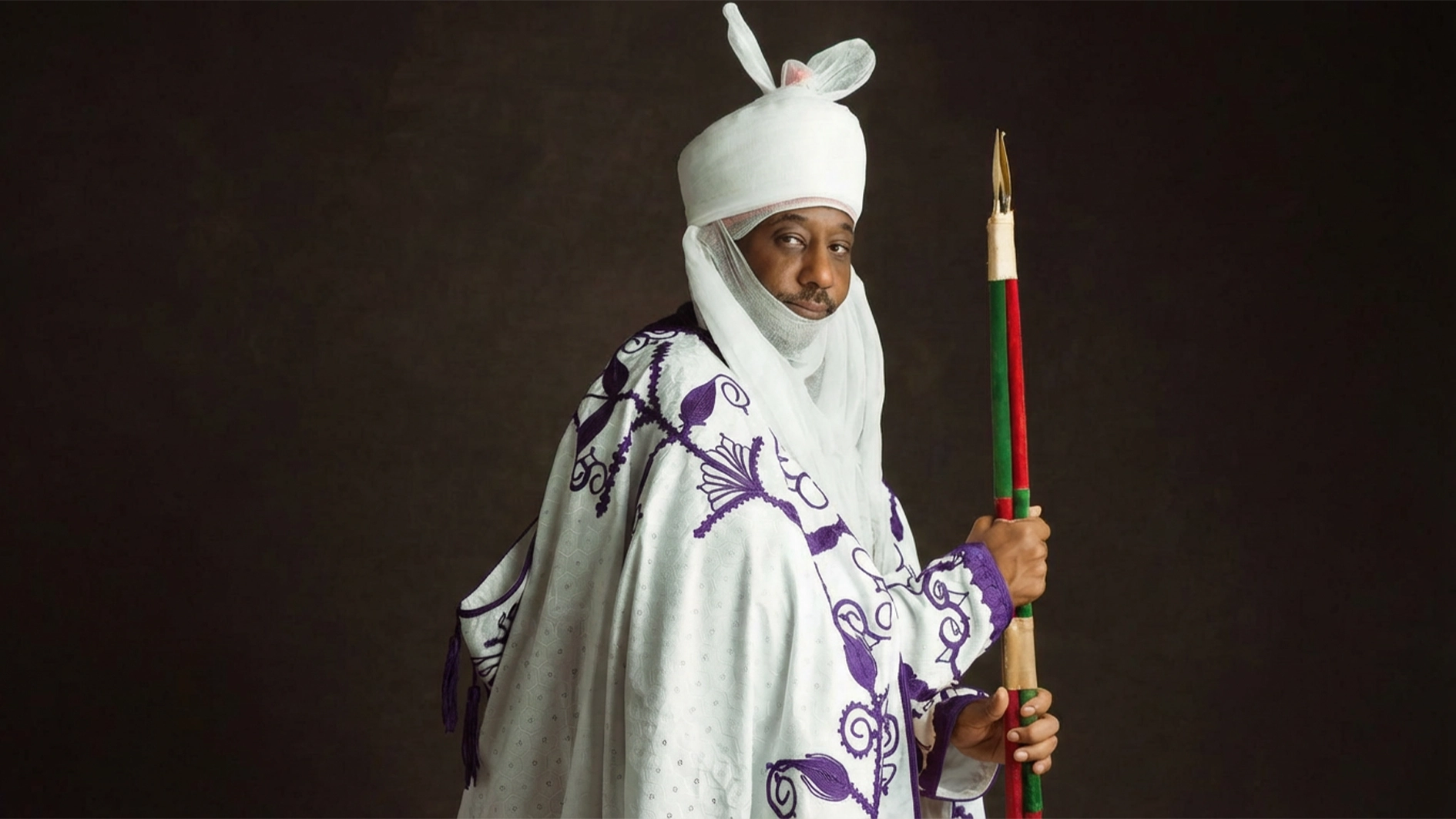
The Emir of Kano, His Highness Muhammadu Sanusi II, has called for deliberate efforts to rebuild public trust and strengthen social cohesion across Nigeria, stressing that the country’s diversity should be harnessed as a source of strength rather than division.
Sanusi made the call on Thursday in Abuja at the National Social Cohesion Dialogue 2026 and the unveiling of the 2026 Nigeria Social Cohesion Survey Report.
The monarch described the dialogue as timely in view of the social, economic and security challenges confronting the nation.
The Khalifa of the Tijaniyya Sufi Order noted that findings from successive social cohesion surveys have provided valuable insights into Nigeria’s challenges and highlighted the urgent need to restore citizens’ confidence in public institutions.
According to him, the trust reposed in traditional and religious leaders places a responsibility on them to foster understanding among diverse groups, mediate conflicts and promote national unity.
“Traditional and religious institutions possess a unique capacity to bridge divides, strengthen mutual respect and inspire collective action toward national development,” he said.

Sanusi urged leaders at all levels to promote tolerance, inclusiveness, compassion, justice and respect for human dignity, while discouraging extremism, hate speech, discrimination and all forms of divisive tendencies.
He stressed that Nigeria’s rich diversity of cultures, languages, traditions and faiths should serve as a source of enrichment and national strength rather than conflict.
“Building a socially cohesive nation requires deliberate efforts and partnerships among government institutions, traditional rulers, religious leaders, civil society organisations, the private sector and citizens themselves,” he added.
The Emir commended the Africa Polling Institute (API) for providing a platform for dialogue and reflection, expressing confidence that recommendations from the gathering would contribute to national unity, sustainable peace and development.
Also speaking at the event, the Royal Father of the Day, the Ogoga of Ikere-Ekiti and Chairman of the Ekiti State Council of Traditional Rulers, HRM Oba Samuel Adejimi Adu Alagbado, lamented what he described as the gradual erosion of the influence of traditional institutions in Nigeria.
He observed that before the advent of colonial administration and modern governance structures, traditional rulers effectively governed their communities and maintained social order.
According to him, political developments and the emergence of modern elites have weakened the authority of traditional institutions, relegating them to subordinate roles within local government structures.
Despite these challenges, the monarch maintained that traditional rulers remain the first point of contact for many citizens during periods of insecurity and communal crises because of the trust communities place in them.
“In times of insecurity, people still run to the palace. Traditional rulers remain reservoirs of knowledge and providers of alternative dispute resolution,” he said.
He highlighted the role of traditional institutions in addressing harmful cultural practices, including female genital mutilation, and advocated constitutional roles for traditional rulers, as well as stronger local government autonomy backed by accountability mechanisms.
In a keynote address delivered on behalf of the Catholic Archbishop of Abuja, Most Rev. Ignatius Ayau Kaigama, Rev. Fr. Emmanuel Ifeanyichukwu Unamba described social cohesion as central to human existence and deeply rooted in both Christian and Islamic teachings.
Drawing from the Bible and the Quran, he emphasised that peace, mutual understanding and good conduct are indispensable values for nation-building.
“No society can develop without social cohesion. We all bleed red, which speaks to our common humanity,” he said.
The cleric expressed concern that many Nigerians now prioritise ethnic, religious and sectional identities above national identity, warning that such attitudes have contributed to division and underdevelopment.
He urged citizens to become ambassadors of social cohesion and called on policymakers to collaborate more closely with traditional and religious institutions in addressing security, welfare and development challenges.
Unamba also advocated stronger roles for traditional rulers in dispute resolution and community justice systems, arguing that their mediation efforts should receive greater institutional recognition.
He further advised traditional and religious leaders to remain non-partisan, avoid undue gratification and refrain from conferring titles solely on wealthy individuals, warning that such practices could encourage unhealthy societal values among the youth.
The cleric also called for continuous training and capacity-building programmes for traditional and religious leaders to enhance their effectiveness.
A representative of the Ford Foundation described Nigeria’s diversity as one of its greatest assets and emphasised the critical role of traditional and religious leaders in promoting shared values, resolving disputes and fostering national unity.
The representative recalled that the foundation had previously convened a national dialogue on gender-based violence and noted that amid growing insecurity, traditional and religious leaders have become increasingly important as peacebuilders and bridge-builders within communities.
Participants at the dialogue agreed that strengthening traditional and religious institutions, alongside government reforms and active citizen engagement, would be crucial to improving social cohesion, enhancing security and promoting sustainable national development in Nigeria.

