 Follow Us on Google News


 Follow Us on Google Discover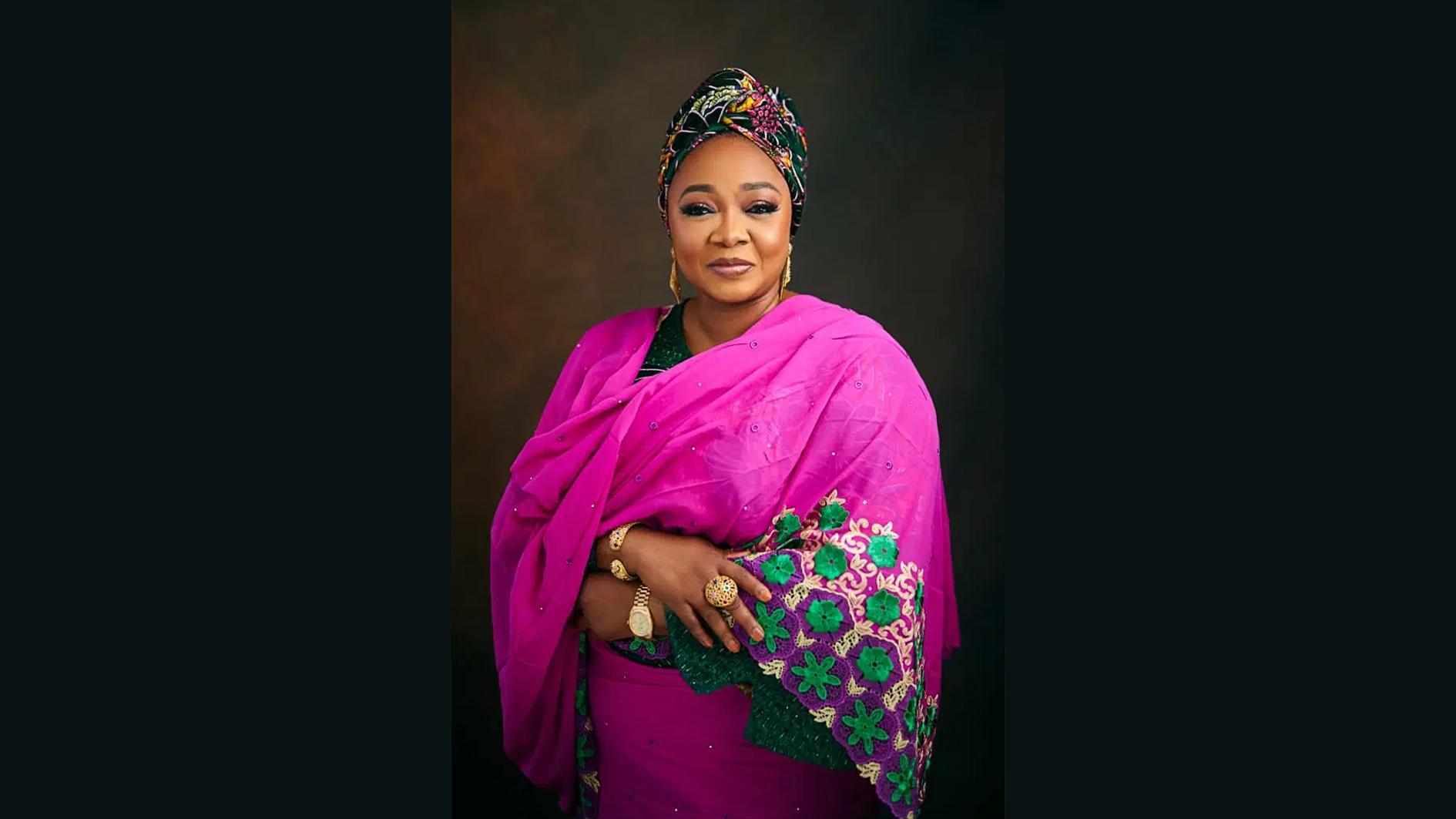
Stakeholders have raised the alarm that Nigeria’s persistent gender gaps in education, economic participation, political representation and access to opportunities are undermining national development, warning that the country cannot attain sustainable growth while half of its population remains disadvantaged.
This was stressed at the official launch of the Nigeria Gender Profile and Roadmap to Equality 2030 in Abuja, where government officials, development partners and advocates unveiled what they described as the country’s most comprehensive framework for closing gender disparities.
Minister of Women Affairs and Social Development, Imaan Sulaiman-Ibrahim, said the document provides an evidence-based assessment of the state of gender equality in Nigeria and a practical pathway towards achieving national commitments by 2030.
“Gender equality is not a concession, it is a sound investment in the strength of our nation. When women and girls enjoy equal access to education, finance, leadership and security, families are more stable, communities are more resilient, and the economy grows,” she said.
The minister noted that the roadmap prioritises eight critical areas, including institutional strengthening, economic empowerment, education, healthcare, leadership, legal reforms, climate resilience and the dismantling of social norms that perpetuate inequality.
According to her, the roadmap is backed by complementary policies, including the National Gender Policy, the National Women’s Economic Empowerment Policy and 38 validated sector-specific frameworks aimed at mainstreaming gender across government institutions.

Sulaiman-Ibrahim disclosed that through the Nigeria for Women Programme, more than 560,000 women across six states have formed 26,000 savings and enterprise groups, collectively saving over N4.8 billion for investments in businesses, healthcare and education.
She stressed that the framework was designed to guide implementation under the National Development Plan 2026–2030, insisting that it “is not a report to be set aside” but “a living framework that guides sustained action.”
Acting Vice President for Regional Development, Integration and Business Delivery and Director-General for Nigeria at the African Development Bank (AfDB), Dr Abdul Kamara, said gender inequality remains one of the most significant barriers to inclusive economic growth in the country.
“Nigeria cannot afford to leave half of its population behind,” Kamara said, adding that closing gender gaps could unlock between two and three per cent of the country’s Gross Domestic Product annually.
“The evidence is clear: closing gender gaps could unlock two to three per cent of GDP annually. This is not marginal. This is transformational,” he said.
Kamara maintained that expanding women’s access to education, finance, land and productive assets would significantly boost Nigeria’s economic productivity and resilience.
Similarly, the Country Representative of UN Women to Nigeria and ECOWAS, Beatrice Eyong, observed that despite women’s substantial contributions to the economy, many remain trapped in low-income and informal sectors, while political representation remains critically low.
She said: “Women’s representation in national political leadership remains at only four per cent, well below Nigeria’s own national aspiration for inclusive governance.”
Eyong described gender equality as “the thread that runs across economic transformation, democratic governance, human capital development, climate resilience and sustainable peace,” stressing that development accelerates when women and girls are fully empowered.
Permanent Secretary in the Ministry, Esuabana Nko Asanye, noted that discriminatory laws, gender-based violence and school dropouts among girls remain major obstacles but insisted that collective action could reverse the trend.
“Gender equality is not a women’s issue alone. It is a national issue. When women and girls are educated, healthy, safe and empowered, our entire nation grows stronger,” she said.

