 Follow Us on Google News
 Follow Us on Google Discover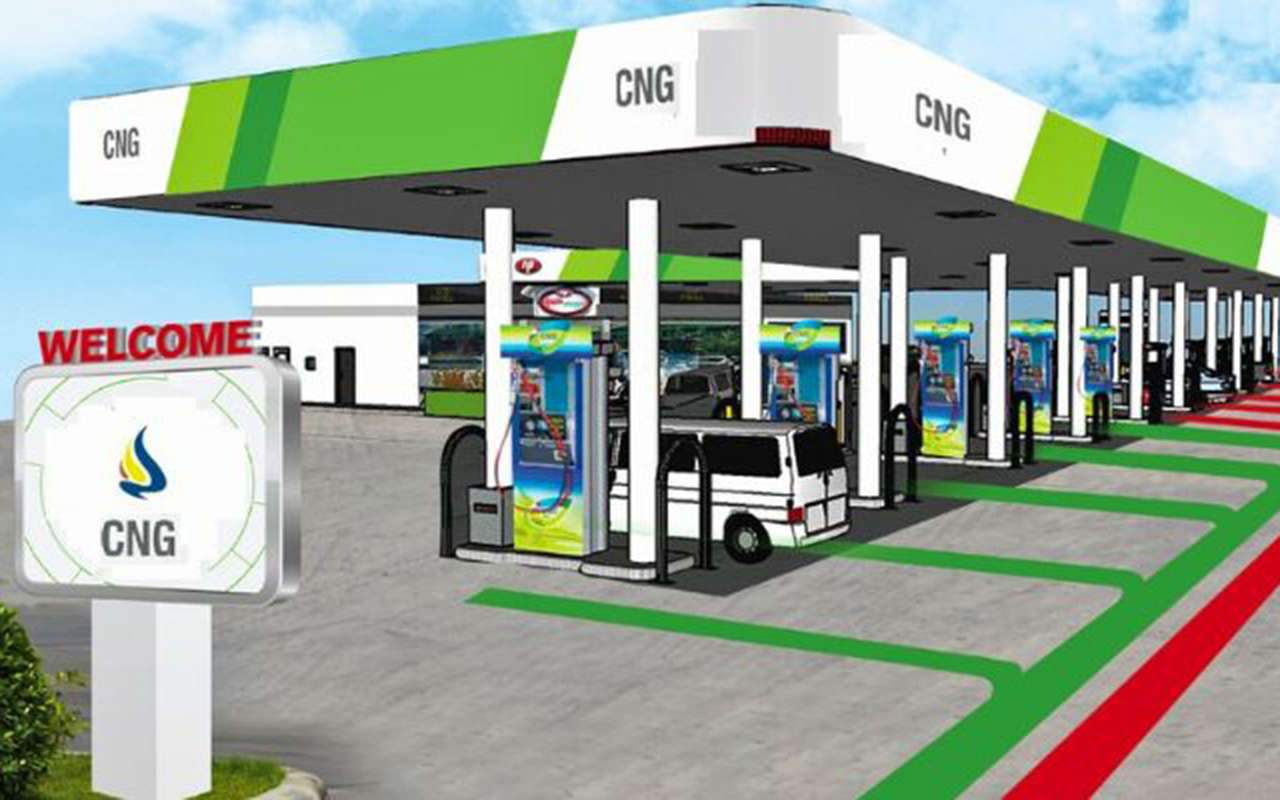
Nigeria’s domestic gas utilisation has exceeded the two billion standard cubic feet per day (2bcfd) benchmark, while gas exports have climbed to their highest level in five years, reflecting growing demand from the power, industrial, transportation, export and household sectors.
The milestone was disclosed during a media capacity-building programme organised by the Decade of Gas Secretariat in collaboration with the Presidential Initiative on Compressed Natural Gas and Electric Vehicles (Pi-CNG & EV) in Port Harcourt.
Speaking at the event, a representative of the Decade of Gas Secretariat, Mr. Taofeek Balogun, said the achievements underscore the growing impact of the Federal Government’s gas development agenda and the increasing role of natural gas in driving economic growth, energy security, and industrialisation.
According to him, Nigeria’s gas sector has continued to record impressive progress, with year-to-date gas production reaching 7.85 billion standard cubic feet per day (bcfd).
He noted that the increase in domestic utilisation and exports reflects rising demand from electricity generation companies, manufacturing industries, transportation, export markets, and households.
Balogun explained that the improved performance demonstrates growing confidence in Nigeria’s gas sector and aligns with the Federal Government’s vision of positioning natural gas as the country’s preferred transition fuel for sustainable economic development.

He also highlighted the completion of the Obiafu-Obrikom-Oben (OB3) River Niger Crossing by NGIC/NNPCL, describing it as a major infrastructure milestone expected to strengthen gas transportation across the country.
According to him, the strategic pipeline will improve connectivity within Nigeria’s gas network, unlock new industrial opportunities, attract investment, and enhance energy security by ensuring more reliable gas supply to critical sectors of the economy.
Balogun further reiterated the government’s commitment to expanding access to clean cooking energy through the distribution of liquefied petroleum gas (LPG) cylinders to five million households by 2030.
He disclosed that after the successful implementation of the programme across the six geopolitical zones, the initiative would commence at the state level, beginning with Bayelsa State in July 2026, where about 27,000 households are expected to benefit within the year under the government’s target of reaching one million homes annually.
Also speaking, the Chief Operating Officer of Pi-CNG & EV, Mr. Tosin Coker, said the Federal Government is intensifying efforts to promote the adoption of Compressed Natural Gas (CNG) and electric vehicles as affordable and environmentally friendly alternatives for transportation.
He said Ministries, Departments and Agencies are being encouraged to convert their vehicle fleets to CNG and procure CNG-powered vehicles as part of measures to reduce transportation costs and improve energy efficiency.
According to Coker, more than 100,000 vehicles have already been converted to CNG nationwide under the initiative, demonstrating increasing public acceptance of cleaner energy alternatives.
Participants at the media engagement commended the initiative for enhancing journalists’ understanding of the nation’s gas sector, noting that improved reporting would help deepen public awareness of government policies and investments aimed at transforming Nigeria into a gas-powered economy.
The Port Harcourt workshop was the third in a series of media engagements organised by the Decade of Gas Secretariat since 2025, following similar programmes held in Lagos and Abuja.

