 Follow Us on Google News


 Follow Us on Google Discover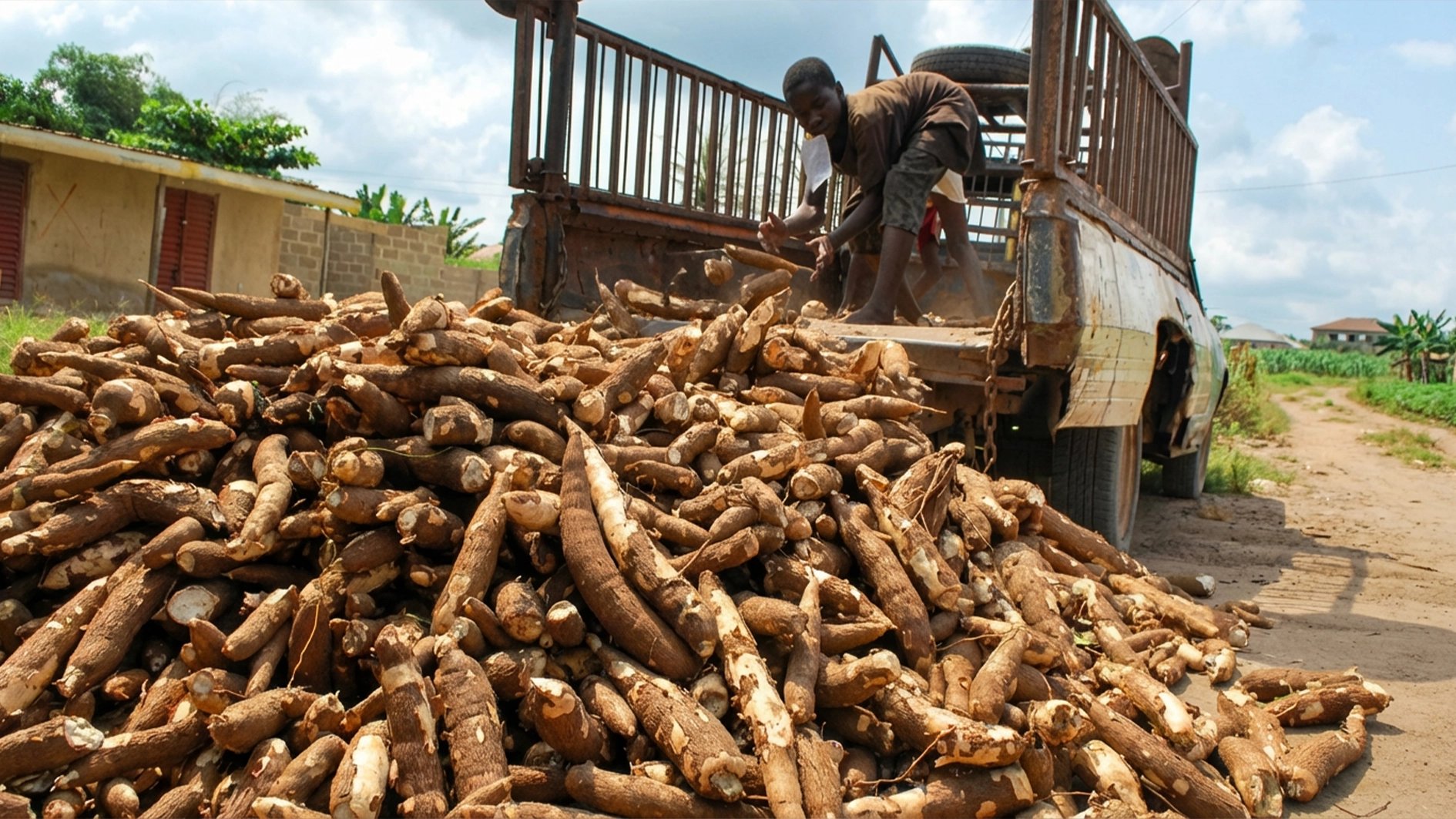
By Oska Seyi Aiyeleso
Nigeria does not have a cassava production problem. For decades, we have been the world’s largest producer of cassava. Every year, millions of tonnes are harvested across the country. Yet despite this abundance, Nigeria continues to import many of the starches, sweeteners, flours and industrial derivatives that our manufacturers require.
That contradiction should concern all of us.
As we mark World Cassava Day 2026, the most important question is no longer whether Nigeria can grow cassava at scale. We already can. The real question is whether we can convert our production advantage into industrial advantage.
Around the world, countries that transformed agricultural abundance into economic prosperity followed a similar path. They moved beyond producing raw commodities and built industries around them.
Thailand is one of the most frequently cited examples in the cassava sector. Its success was not driven simply by growing more cassava. It was driven by investments in processing, product development, export markets and industrial applications. The lesson is straightforward: production creates supply, but industrialization creates value.

Nigeria has been standing at a similar crossroad for several decades now.
For many years, cassava has played a vital role in food security and rural livelihoods. Millions of farmers depend on it. Communities across the country depend on it. Yet only a small proportion of the crop is converted into the higher value industrial products that drive manufacturing growth and generate stronger economic returns.
I say this from experience leading both a large-scale cassava farming operation and a cassava processing business. Our work is guided by a conviction championed by our Chairman, Niyi John Olajide, that agriculture can serve as a platform for industrial development when production, processing and market demand are connected within a single value chain.
That belief has shaped the investments Cavista Holdings has made through Agbeyewa Farms and Matna Foods.
Together, we are working to strengthen the link between farms, factories and markets because sustainable growth occurs when all three operate as part of the same system.
Building those connections is not easy.
Industrialisation requires reliable feedstock supply, modern processing infrastructure, efficient logistics, quality systems, access to finance and long-term investment. It requires coordination across stakeholders who often operate independently. Most importantly, it requires patience and disciplined execution.
The good news is that momentum is building. The challenge is that industrial demand is not expanding fast enough. In our daily operations, we receive requests from thousands of farmers seeking markets for their cassava. The interest is there. The production capacity is there. What remains insufficient is the industrial processing capacity needed to absorb that supply at scale.
That is the gap Nigeria must close.
Cassava is one of the most versatile crops in the world. Beyond traditional food applications, it serves as a feedstock for industrial starches, sweeteners, ethanol, pharmaceuticals, adhesives, paper products, animal feed and a growing range of manufacturing inputs.
The benefits extend far beyond agriculture. A stronger cassava industry creates demand for logistics, engineering, warehousing, packaging, financial services, technology and research.
It strengthens local manufacturing, supports import substitution and creates jobs throughout the economy.
The opportunity extends even further. Increasingly, value creation is shifting beyond basic processing into ingredient systems, formulation science and product innovation. Competitive advantage today is determined not only by access to raw materials, but by the ability to transform those materials into products that manufacturers need and consumers value.
That shift should fundamentally change how we think about cassava.
However, no single company can drive this transformation alone. Success will require alignment between government, industry, researchers, investors and development partners.
Policy must encourage investment. Infrastructure must support efficient operations. Markets must reward innovation and quality.
Nigeria’s cassava story should no longer be measured only by how much we grow. It should be measured by how much value we create from what we grow. For a country seeking sustainable pathways to economic diversification, few opportunities are as compelling. If we get this right, cassava will become more than a food security crop. It will become a strategic industrial resource capable of supporting manufacturing, creating jobs, attracting investment and strengthening economic resilience.
That is the opportunity before us. The raw material already exists. What remains is the collective commitment to build the industries that can unlock their full value.
Aiyeleso is the Managing Director and Chief Executive Officer of Agbeyewa Farms and Matna Foods Limited

