 Follow Us on Google News
 Follow Us on Google Discover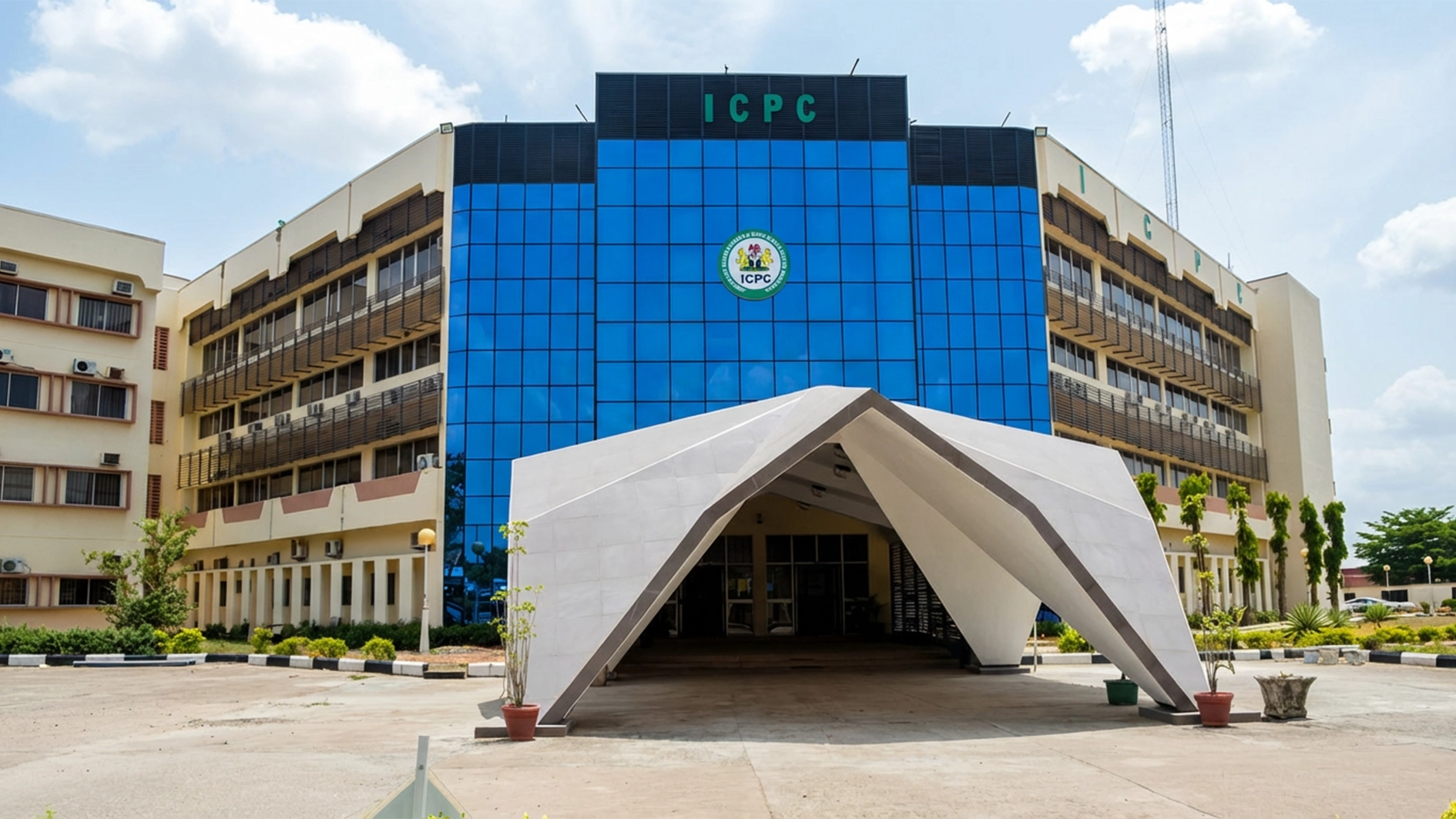
The Independent Corrupt Practices and Other Related Offences Commission (ICPC) has pushed for integration of Anti-Corruption education in legal curriculum to instill integrity and ethical standards in legal practices.
Besides, ICPC vows to strengthening “catch them young” Anti-Corruption campaign to reshape the minds of future lawyers in Nigeria. The commission warned against the misuse of legal knowledge to create confusion, frustrate justice or shield corrupt practices.

Chairman of the Commission, Dr. Musa Aliyu made the submission on Friday at the end of a two-day workshop on institutionalising anti-corruption education in legal studies in Nigeria.
The ICPC Chairman expressed concern over the growing public distrust in the legal profession, appealed to law teachers to join the commission’s anti-graft war through legal education.
Dr. Aliyu observed that many individuals involved in corruption and financial crimes were once students who passed through Nigeria’s educational institutions, stressing that the problem of corruption must be tackled long before it reaches the courtroom.
According to him, classrooms and faculties of law provide the most fertile ground for nurturing integrity among future judges, prosecutors and legal practitioners who will serve as custodians of justice.
“Corruption is rarely defeated in court after the damage has been done and public trust has been broken. Prevention through character formation and ethical education remains the most effective strategy,” he said.
The ICPC Chairman noted that while a corrupt engineer may construct a weak bridge, a corrupt lawyer undermines the very mechanisms established to remedy injustice and protect society. He stressed that legal curricula are not neutral instruments but powerful tools that transmit values, whether intentionally or otherwise.
He further explained that the anti-corruption agency’s mandate extends beyond prosecution but include prevention and public education, adding that no commission can manufacture integrity without the support of lecturers and educational institutions.
“The real test lies not in the framework we produce but in what teachers impart and what students choose to practise long after graduation,” he stated.
The ICPC boss acknowledged the challenges facing educational institutions, including inadequate funding, overstretched lecturers and increasing student populations, warning that curriculum reforms often fail because of fatigue and insufficient support rather than opposition.
He also cautioned against institutional hypocrisy, arguing that students cannot be expected to embrace honesty when systems reward connections over competence or ignore misconduct.
The ICPC boss reminded that the success or failure of the programme would ultimately depend on faculties of law and the Nigerian Law School rather than the anti-corruption commission itself. He urged participants to lead by example, insisting that ethical conduct among educators would significantly influence the values embraced by future generations of lawyers.
According to him, the legal profession must demonstrate unwavering support for constitutionalism, anti-corruption efforts, international conventions against corruption and initiatives aimed at recovering looted assets for national development.
“The duty of a lawyer is to be honest, to stand by the truth and to defend the law. Nigeria needs lawyers who believe in justice and integrity regardless of circumstances,” he said.
Participants drawn from law faculties across Nigerian Universities and Nigerian Law School have developed working documents to integrate Anti-Corruption curriculum in law curriculum in Nigeria.

