 Follow Us on Google News
 Follow Us on Google Discover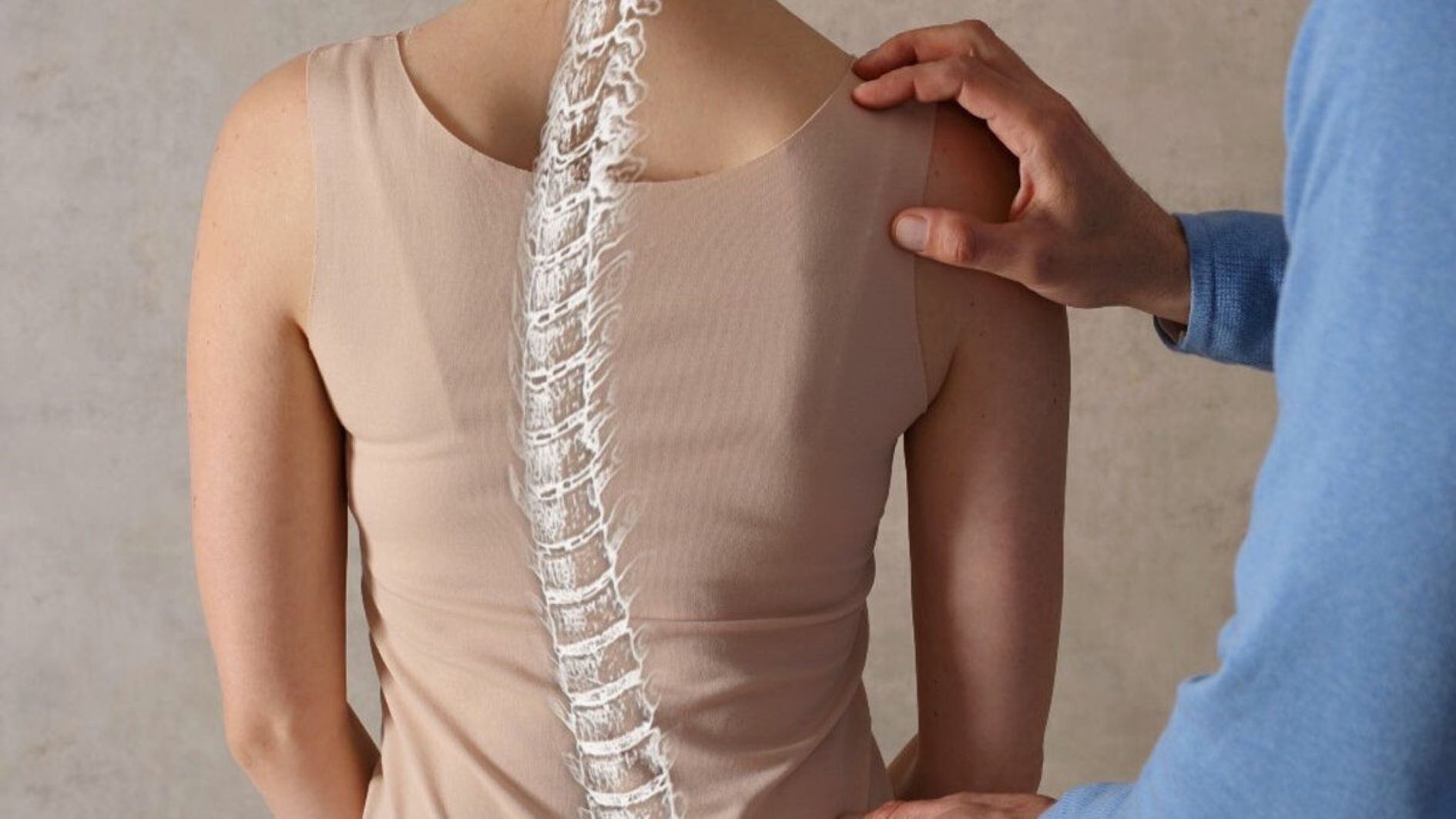
Medical experts have called for the introduction of routine scoliosis screening in schools across Nigeria as part of efforts to promote early diagnosis, prevent severe spinal deformities and eliminate the stigma faced by children living with the condition.
The call was made on Friday during an event to mark World Scoliosis Day by the Scoliosis Focus Foundation in collaboration with General Hospital, Gbagada, Lagos, where orthopaedic specialists, physiotherapists, teachers, parents, students and other stakeholders stressed that delayed diagnosis often results in avoidable complications, including breathing difficulties and the need for major corrective surgery.
Scoliosis is an abnormal sideways curvature of the spine that forms an “S” or “C” shape instead of remaining straight and is commonly diagnosed between the ages of 10 and 18 years, when children experience rapid growth.
The Managing Director and Chief Executive Officer of General Hospital, Gbagada, Dr. Oseni Olugbenga, described education and public awareness as the cornerstone of effective scoliosis management, noting that greater understanding of the condition would enable parents, teachers and caregivers to recognise warning signs early and seek prompt medical intervention before complications develop.
He commended the Scoliosis Focus Foundation for complementing government efforts through awareness campaigns, counselling services, school education programmes and support for patients requiring conservative treatment or corrective surgery.

Olugbenga also drew attention to the emotional and psychological burden experienced by many people living with scoliosis, urging Nigerians to replace discrimination and prejudice with compassion and support that would encourage affected individuals to access appropriate healthcare.
The Founder of the Scoliosis Focus Foundation, Dr. Ayomide Akintan-Adejuwon, said World Scoliosis Day provides an opportunity to raise awareness, promote early detection and advocate improved care for people living with scoliosis, adding that the Foundation was established about 14 years ago to offer hope to patients and their families through education, counselling and other support services.
According to her, about 80 per cent of cases are classified as idiopathic scoliosis, where the exact cause is unknown, while other forms result from congenital spinal abnormalities or neuromuscular disorders. She added that recognised risk factors include family history, rapid adolescent growth, certain genetic factors and congenital abnormalities, with females generally more affected than males.
Chairman of the Medical Guild of Nigeria, Lagos, Dr. Oluwole Olusanya, also stressed that early diagnosis remains the most effective way to prevent scoliosis from progressing to severe stages, noting that although the cause of most cases remains unknown, some children are born with congenital abnormalities affecting spinal development.
He urged government to build on the work of organisations such as the Scoliosis Focus Foundation by introducing routine scoliosis screening in schools and expanding access to specialised treatment centres across the country to improve outcomes for affected children.
A presentation was delivered by Dr. Charles Aisudo, Orthopaedic Surgeon and Secretary-General of the Medical Guild, Lagos State.
Aisudo educated the students on scoliosis, explaining its causes, symptoms and available treatment options. He also corrected misconceptions surrounding the condition, including the belief that carrying heavy school bags causes scoliosis.
He explained that scoliosis is usually painless in its early stages, but may become more noticeable through changes such as uneven shoulders, an uneven waistline and abnormal curvature of the spine.

