 Follow Us on Google News
 Follow Us on Google Discover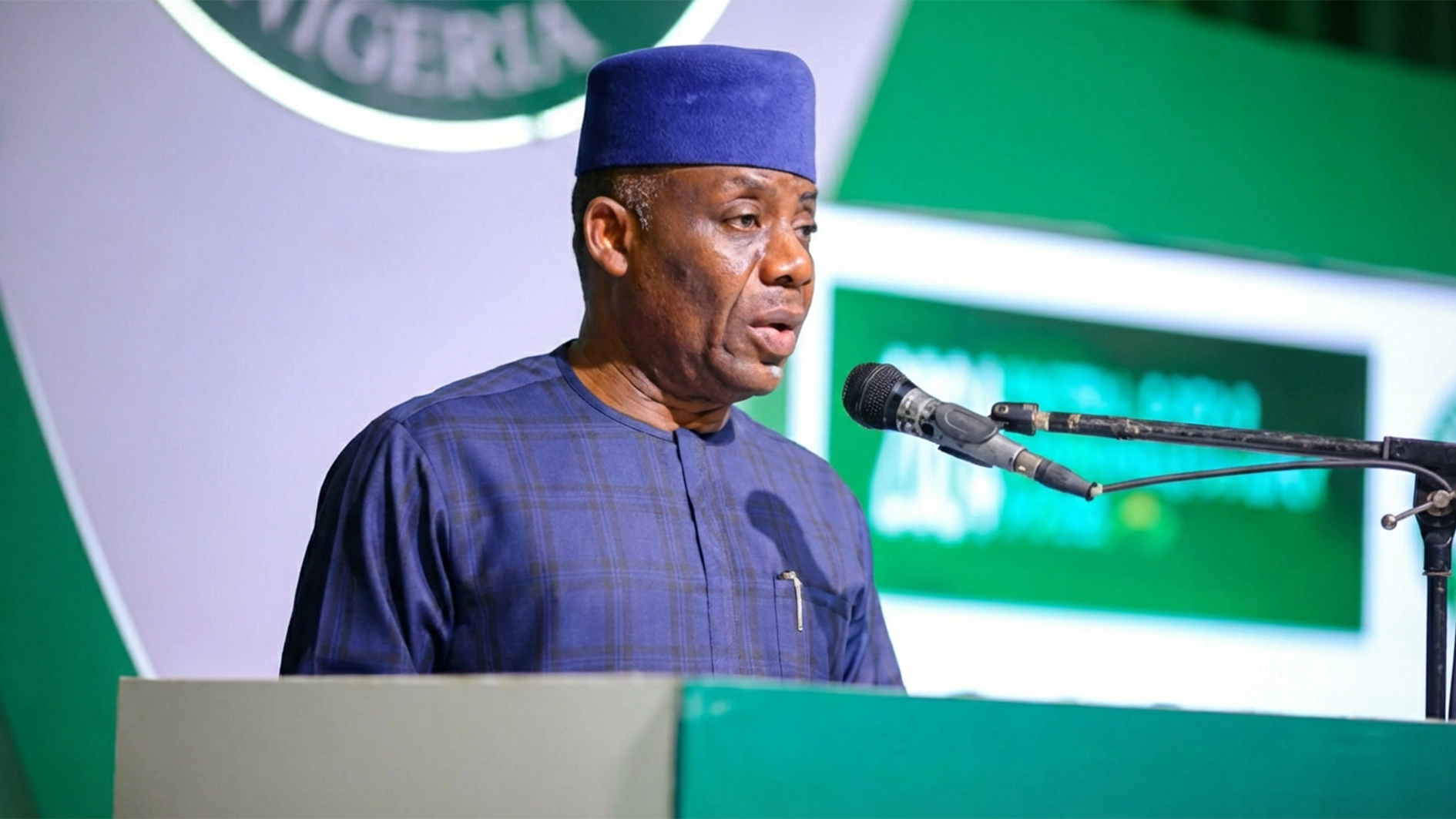
The Federal Government has hailed Nigerian universities for achieving their strongest performance in the 2026 Times Higher Education (THE) World University Rankings, describing the milestone as clear evidence that ongoing reforms in the nation’s education sector are beginning to yield tangible results.
Minister of Education, Dr. Tunji Alausa, gave the commendation in a statement posted on his verified X handle on Saturday, revealing that 24 Nigerian universities made this year’s global rankings—an increase from 21 institutions in previous editions.

The latest performance, he noted, makes Nigeria the most represented country in Sub-Saharan Africa in the prestigious global ranking.
According to the minister, 17 of the ranked institutions are federal universities, a development he said underscores the Federal Government’s sustained investment in revitalising public higher education.
He specifically congratulated the University of Ibadan, the University of Lagos, Bayero University, Kano, and other Nigerian universities that earned global recognition for their academic and research excellence.
Alausa attributed the achievement to the education reforms being implemented under the Renewed Hope Agenda of President Bola Ahmed Tinubu’s administration.
“Our Renewed Hope education reforms are delivering measurable results. I’m pleased to see Nigerian universities record their strongest performance yet in the 2026 Times Higher Education World University Rankings,” the minister stated.
He added: “This year, 24 Nigerian universities were ranked globally, up from 21 in previous years, making Nigeria the most represented country in Sub-Saharan Africa.
“Even more encouraging, 17 of those institutions are federal universities, reflecting the progress we are making in strengthening our public higher education system.”
The minister said the improved rankings go beyond international recognition, stressing that they reflect the positive impact of government investments in research, innovation, digital transformation, quality assurance, infrastructure development and institutional governance.
According to him, the rankings demonstrate that Nigeria’s universities are becoming increasingly competitive on the global stage.
Alausa also disclosed that 27 additional Nigerian universities participated in this year’s assessment, describing the development as a strong indication of the sector’s growing commitment to transparency, global benchmarking and continuous institutional improvement.
“These rankings are not just about prestige. They are evidence that our investments in research, innovation, digital transformation, quality assurance, infrastructure and governance are beginning to translate into global recognition.
“Even more encouraging, 27 additional Nigerian universities participated in this year’s assessment, demonstrating a growing commitment to transparency, benchmarking and continuous improvement,” he said.
Reaffirming the Federal Government’s commitment to educational transformation, the minister said the Nigerian Education Sector Renewal Initiative (NESRI) would remain a key vehicle for repositioning the country’s tertiary institutions to produce the skilled workforce, research output and innovation needed to drive national development.
“Under the leadership of President Bola Ahmed Tinubu, we remain committed to the Nigerian Education Sector Renewal Initiative (NESRI), ensuring our universities produce the knowledge, innovation and talent that will drive Nigeria’s future. The work continues,” he said.

