 Follow Us on Google News


 Follow Us on Google Discover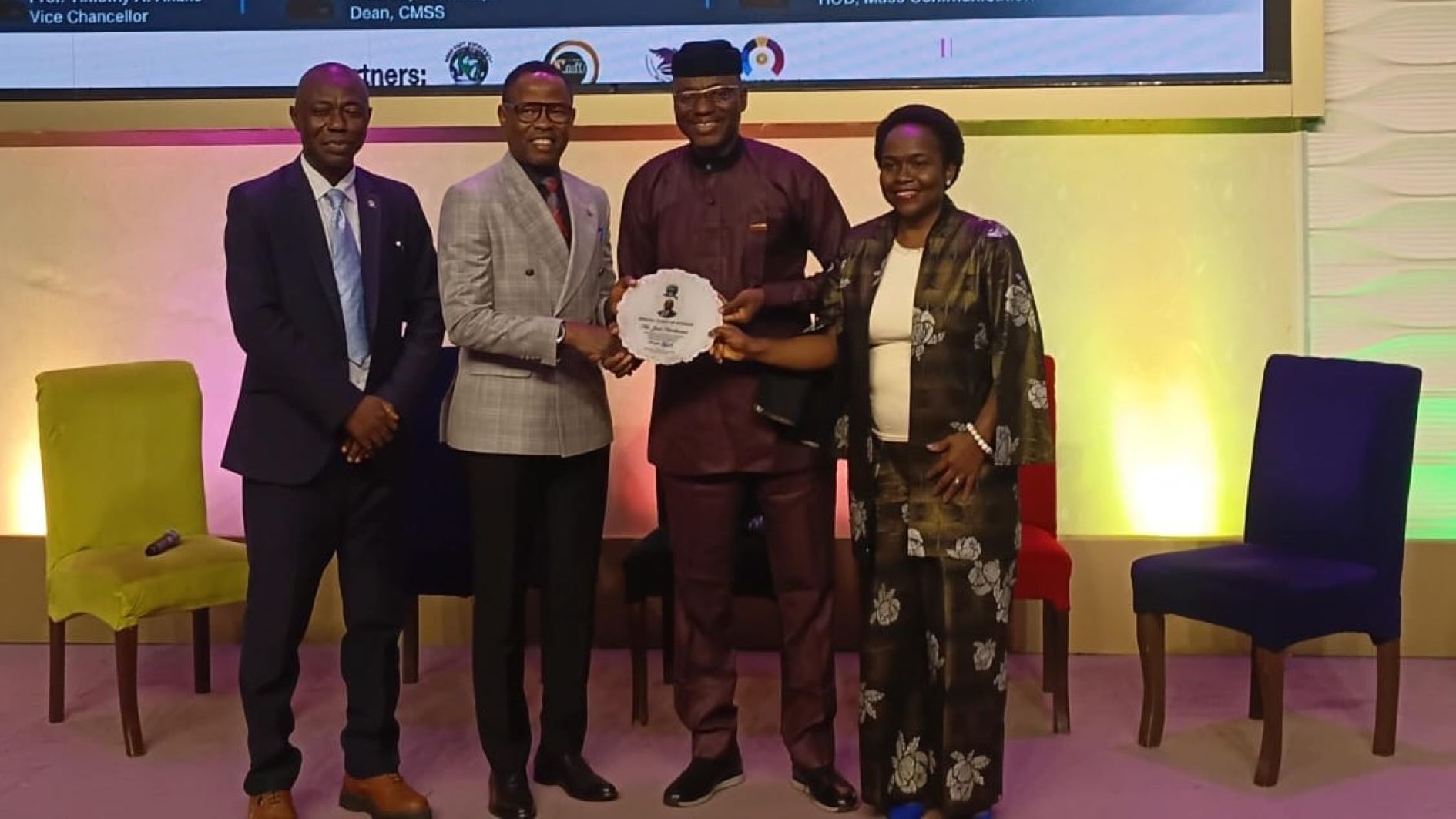
Warns against clicks over conscience in journalism
As the digital era continues to exert more influence on the journalism profession, media practitioners have been warned to resist the lure of letting traffic numbers dictate newsroom priorities.
The Metro Editor, Punch Nigeria Limited, Joel Nwokeoma, gave the charge at the 20th anniversary of Stream magazine published by the Mass Communication Department of Covenant University, Ota, Ogun State.
The event brought together academics, media professionals, students and other stakeholders in the profession.
Delivering a keynote on the topic: “The Story Behind the Story: Editorial Judgment in the Age of Clicks, Clicks, Clicks,” Nwokeoma said journalism now operates under unprecedented pressure from audience analytics, social media algorithms, and the pursuit of digital engagement.
He said: “Editorial judgment is not merely a professional skill; it is a public trust. The editor’s responsibility is not to tell people only what they want to know, but what they need to know. That distinction is fundamental.”
Nwokeoma traced the evolution of newsroom practices, noting how editors once relied on instinct and professional values, but now face dashboards that measure clicks, shares, and engagement in real time.

While acknowledging that analytics provide valuable insights, he warned against allowing them to dictate editorial priorities.
“A society may urgently need information about public policy, education reform, or climate change. Yet such stories often generate fewer clicks than celebrity scandals or viral controversies. If newsroom priorities become entirely driven by traffic numbers, journalism risks becoming a popularity contest rather than a public service,” he said.
He argued that while analytics offer insights, they must remain tools, not masters.
“A million clicks cannot transform a trivial story into an important one,” he said, urging editors to balance audience interests with democratic responsibilities.
“The future belongs not to editors who reject data, nor to those who worship it. But to those who can balance metrics with mission,” Nwokeoma stated.
Head of Mass Communication, Covenant University, Dr. Ada Peter, emphasised that the magazine’s purpose was never just content creation but the development of journalists who can be trusted.
She cautioned against confusing AI as a substitute for conscience, urging students to embrace technology as a tool, not a purpose.
“The mission is the cultivation of journalists who can be trusted, those who ask the questions algorithms will never think to ask, who safeguard sources invisible to systems, and who make editorial judgments that demand a conscience,” she explained.
Vice Chancellor, Covenant University, Professor Timothy Anake, represented by Professor Tayo Osibanjo, reflected on Stream’s origins as a platform for storytelling and diverse voices, urging the community to remain curious and adaptable in a rapidly changing media landscape.
The event also honoured pioneers and contributors who shaped Stream Magazine over two decades.
At the event, Professor Oladokun Omojola, who wrote the first proposal for the magazine, received a ₦400,000 award.
The university also recognised two students Adeshina Abimbola for Best Feature Article and Salome Kalu as Editor of the Year for excellence in journalism.

