 Follow Us on Google News
 Follow Us on Google Discover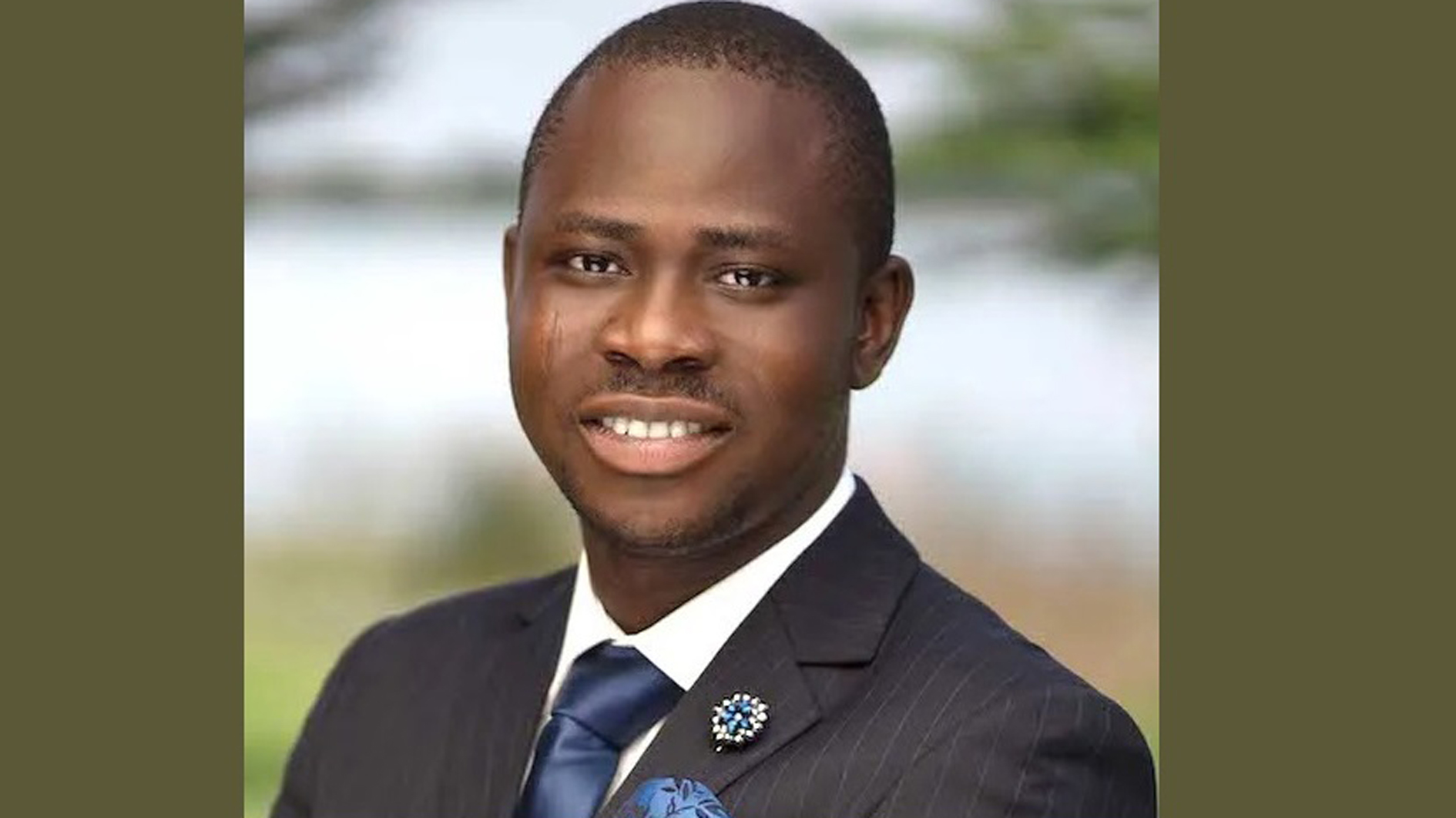
As the nation moves to key electoral milestones, including Osun governorship and the 2027 general elections, founder of FactCheckAfrica, Abideen Olasupo, has advocated building capacities of journalists and civil society actors to identify, verify and counter harmful information.
He stated this at a workshop in Lagos to strengthen media and civil society capacity for democratic and peaceful elections in Nigeria.

Themed, ‘Truth at the ballot: Strengthening media and civil society for democratic and peaceful elections in Nigeria,’ Olasupo noted increasing sophistication of misinformation campaigns, coordinated influence operations, and online hate speech requires stronger collaboration between journalists, fact-checkers, and civil society organisations.
As a result, he added, “we are supporting a network of professionals who can promote evidence-based public discourse, strengthen democratic accountability, and contribute to peaceful elections.”
Participants at the workshop also engaged in intensive learning sessions covering: Pre-electoral context analysis and emerging information threats; verification and fact-checking methodologies; Open-Source Intelligence (OSINT) and AI-assisted verification tools.
Other sessions include, hate speech monitoring and narrative analysis; gender-sensitive and youth-inclusive reporting; investigative journalism, accountability, and democratic resilience; safe journalism practices during electoral periods; action planning for institutional and community-level interventions.
The participants observed that digital platforms have become major battlegrounds for electoral narratives, where false information can spread rapidly and influence voter behaviour; AI technologies offer significant opportunities for journalism, fact-checking and civic engagement, but also present emerging risks through synthetic media, manipulated content, and automated misinformation campaigns.
Some other observations made include, sustainable responses to information disorder require not only technical verification skills but also ethical journalism, community engagement, media literacy, and institutional accountability; lessons from previous electoral cycles demonstrates that unchecked misinformation and hate speech can contribute to voter suppression, political tension and declining confidence in democratic institutions.
In a communiqué released shortly after the event, the participants made the following recommendations: Development organisations and funders must continue to provide technical mentoring and follow-up support to organisations; additional regional training be organised to expand the reach of information integrity and election preparedness initiatives; media organisations should institutionalise verification desks and election fact-checking mechanisms.
Others recommendations are, civil society organisations must integrate misinformation monitoring and media literacy activities into their democracy and governance programmes; electoral stakeholders must strengthen collaboration with credible media and fact-checking organisations to improve public trust; development partners must continue to invest in initiatives that strengthen democratic resilience, information integrity and peaceful elections; journalists and civil society actors must be supported with resources and tools necessary for safe and effective election coverage.
The workshop was organised by the Fundación para la Internacionalización de las Administraciones Públicas (FIAP) in partnership with FactCheckAfrica under the European Union Support to ECOWAS in Peace, Security and Governance (EPSG) Project (FIAP) is the Spanish Cooperation entity specialised in promoting the participation of public administrations in Spanish and European cooperation programmes and projects. FIAP supports the development of public systems in more than 120 countries by mobilising public sector expertise to foster the exchange of knowledge and experience between counterpart institutions from different countries. As a public foundation, FIAP’s work forms part of Spain’s and Europe’s external action.
FIAP is currently co-implementing Component 3 of the EPSG Project in West Africa with GIZ (Deutsche Gesellschaft für Internationale Zusammenarbeit), focusing on strengthening electoral processes through the prevention of electoral violence and the countering of misinformation, disinformation, and hate speech.
The overall objective of the EPSG Project is to enhance peace, security, and governance within the ECOWAS region. The project is a multi-donor initiative co-financed by the European Union (EU), the German Federal Ministry for Economic Cooperation and Development (BMZ), and the Ministry of Foreign Affairs of Denmark (MOFA).

