 Follow Us on Google News
 Follow Us on Google Discover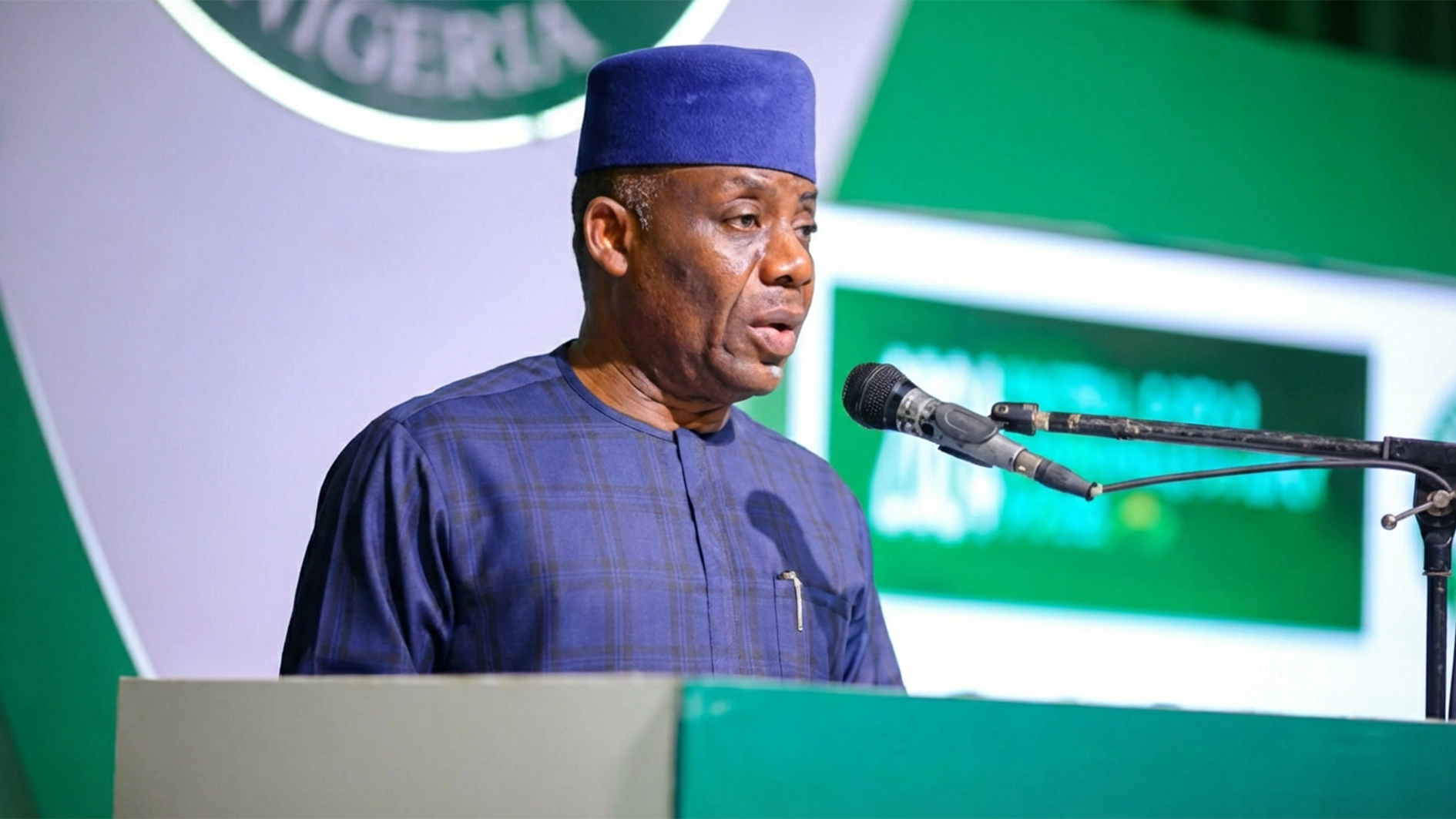
…Scraps failed JSS-SSS separation polic
The Federal Government has raised concerns that more than 20 million children who began their education in primary school failed to progress to senior secondary school after dropping out along the way.

The government also disclosed that the disarticulation policy, which required Junior Secondary Schools (JSS) to operate separately from Senior Secondary Schools (SSS) both physically and administratively, has not achieved its intended objectives and will therefore be discontinued.
Minister of Education, Dr Tunji Alausa, stated this on Tuesday in Abuja at the inauguration of the UBEC Ministerial Implementation and Monitoring Committee.
According to him, the arrangement has resulted in overcrowded JSS facilities and underutilised senior secondary schools in several states, arguing that the policy prioritised administrative positions over students’ educational needs.
He said the government would abolish the policy to expand access to education and improve learning outcomes for Nigerian children, noting that the proposal would be tabled for consideration at the next meeting of the National Council on Education.
His words: “We have 20 million drop out from primary school to JSS. Where are those students? And what we also noticed was that we have 80,000 public primary schools, and junior secondary school, we have just about 15,000 that ratio one to eight.
“And if you look at the completion rate. So it’s us as government not doing what we need to do, but the previous government might have failed in this regard, but this government will not fail. We’re fixing this, so we need to open up as much more opportunities for students to attend these schools, primary schools infrastructure.
“This disarticulation policy has also contributed to this. We’re seeing data from, say, like Kaduna and other northern states, because you have one principal for junior secondary school and another principal for senior secondary schools. We have overflowing JSS, empty senior secondary school. So I can objectively report today that this disarticulation policy has failed. We will phase it out. We can’t be creating positions because we want to create director level for people while we harm our education system. It’s not right. It’s about doing what is good for every Nigerian child”.
The high-powered committee chaired by Prof. Rashid Aderinoye, is to ensure that hundreds of Smart Schools, Bilingual Schools and Alternative Schools funded by the Universal Basic Education Commission (UBEC) are completed, handed over to states and opened for learning.
The Minister said the committee would drive the implementation and monitoring of the projects to ensure they deliver quality education to Nigerian children.
Alausa lamented that although UBEC had invested heavily in the three categories of schools across the country, many projects remained unfinished, while several completed schools had yet to be handed over to state governments or integrated into their education systems.
He lamented that many of the completed schools were yet to admit learners, describing the situation as a waste of public resources and a denial of learning opportunities for thousands of children.
Earlier, UBEC Executive Secretary, Aisha Garba, said the Federal Government had made significant progress in expanding access to quality basic education through its Smart Schools, Bilingual Schools and Alternative Schools initiatives, describing them as some of the country’s most strategic investments in the sector.
Garba disclosed that 37 Smart Schools had been established across the federation, with 24 already conducting academic activities, while the remaining schools were at different stages of completion, furnishing and operational readiness.
She added that under the UBEC–Islamic Development Bank (IsDB) Bilingual Education Programme, 30 schools had been established in nine participating states. According to her, three boarding schools have been completed and commissioned, while four others have reached substantial completion and are awaiting commissioning.
The UBEC boss also said the Alternative Schools Programme was making steady progress in expanding access to education for out-of-school children by providing flexible and inclusive learning opportunities tailored to vulnerable learners.
Garba said the newly inaugurated Ministerial Implementation and Monitoring Team would monitor project implementation, facilitate the timely completion and handover of schools, resolve implementation bottlenecks, and ensure government investments translate into fully functional schools delivering quality education.
Speaking on behalf of the committee, its Chairman, Prof. Aderinoye assured that members would discharge their responsibilities with diligence, transparency and a strong commitment to delivering results.
He pledged that the committee would monitor implementation across the country, identify and address bottlenecks delaying project delivery, and ensure that government investments translate into improved access to quality education for Nigerian children.

