 Follow Us on Google News
 Follow Us on Google Discover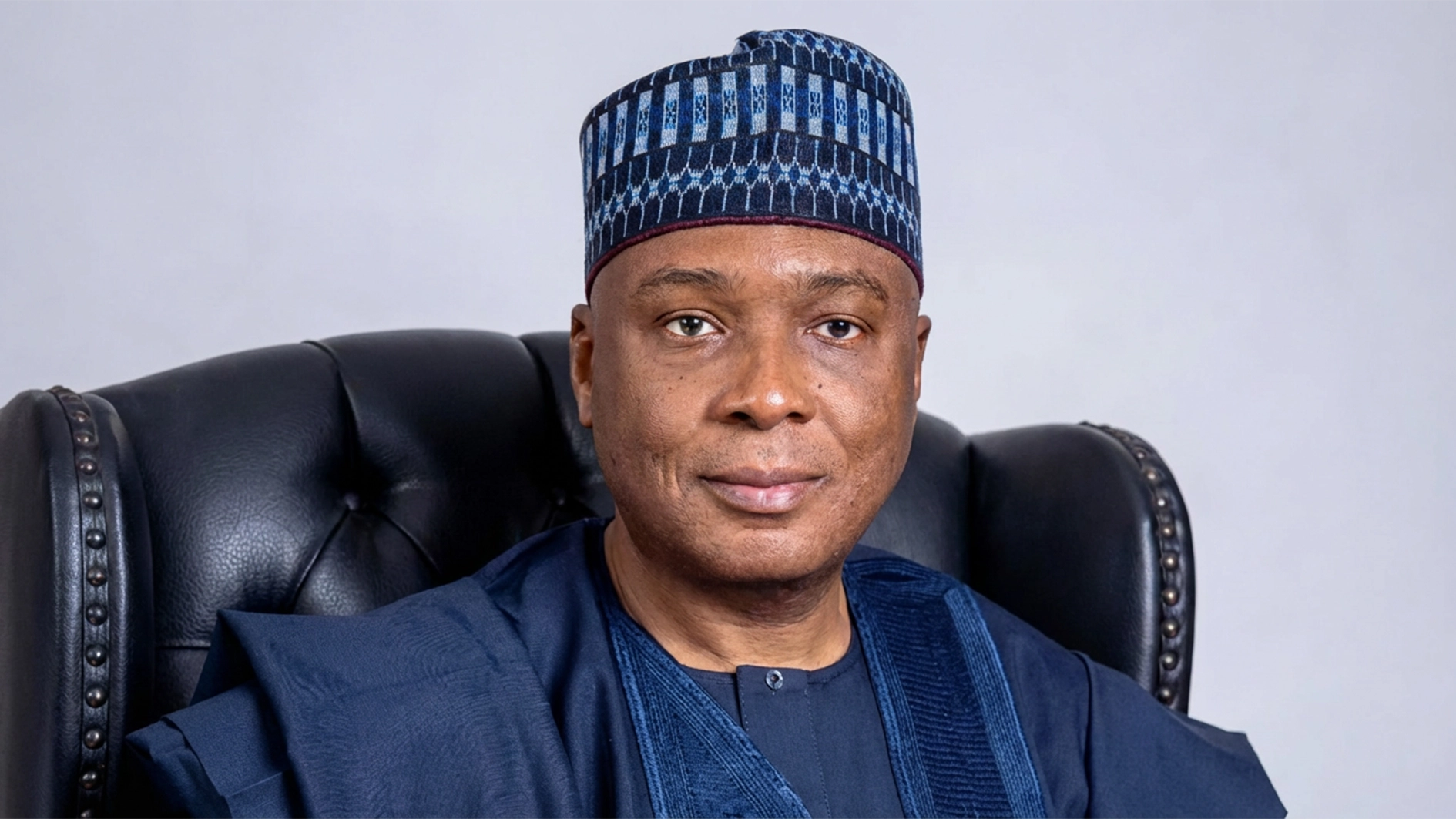
Former President of the Senate, Abubakar Bukola Saraki, has urged African leaders to use the United States’ retreat from international development assistance as an opportunity to fundamentally reshape the continent’s development model, warning against replacing one form of dependency with another.
Speaking yesterday during the Global Strategic Advisory Group (GSAG) Meeting at Villa La Collina in Lake Como, Italy, Saraki said Africa should embrace a new era of partnerships built on trade, investment, institutional strengthening and value addition rather than continued reliance on foreign aid.

Delivering his contribution during a panel session titled “Development Policies—Withdrawal of the U.S. from International Development: Opportunities and Challenges,” the former Senate President described the changing global development landscape as “a structural rupture” that requires governments and development institutions to rethink how international cooperation should function in the 21st century.
According to him, the reduction in U.S. development assistance, the restructuring of USAID programmes and Washington’s increasing domestic focus have created significant humanitarian and financing challenges, particularly across developing countries.
He cited projections by UNAIDS indicating that up to 6.3 million additional HIV infections could occur over the next five years if funding gaps persist, while the African Development Bank estimates that developing countries face a yearly financing shortfall of between $15 billion and $18 billion following recent U.S. aid reductions.
Saraki, however, argued that the global response should extend beyond replacing lost funding.
The former Kwara State governor said Africa must seize the moment to redefine development cooperation by shifting from aid dependency to genuine partnerships while strengthening institutions and investing in the next generation of political, economic and technological leaders.
Reflecting on Africa’s post-independence development trajectory, Saraki argued that many economies on the continent remain structured around colonial-era extraction models, with limited value addition and excessive dependence on donor priorities.
According to him, Africa produces over 70 per cent of the world’s cocoa but captures less than five per cent of the global chocolate market, while Nigeria exports about 40 per cent of the world’s raw shea nuts but accounts for only around one per cent of the finished shea-products market.
Saraki identified four priorities for Africa’s future development strategy, including ending dependence on raw material exports, strengthening domestic resource mobilisation, investing in stronger public institutions and expanding opportunities for Africa’s youthful population.
On fiscal reforms, Saraki noted that Nigeria’s tax-to-GDP ratio remains among the lowest globally at about six per cent, describing improved tax collection and revenue management as political choices requiring decisive leadership.
Saraki also urged African governments to deepen implementation of the African Continental Free Trade Area (AfCFTA), strengthen democratic institutions and accelerate anti-corruption reforms.

