 Follow Us on Google News
 Follow Us on Google Discover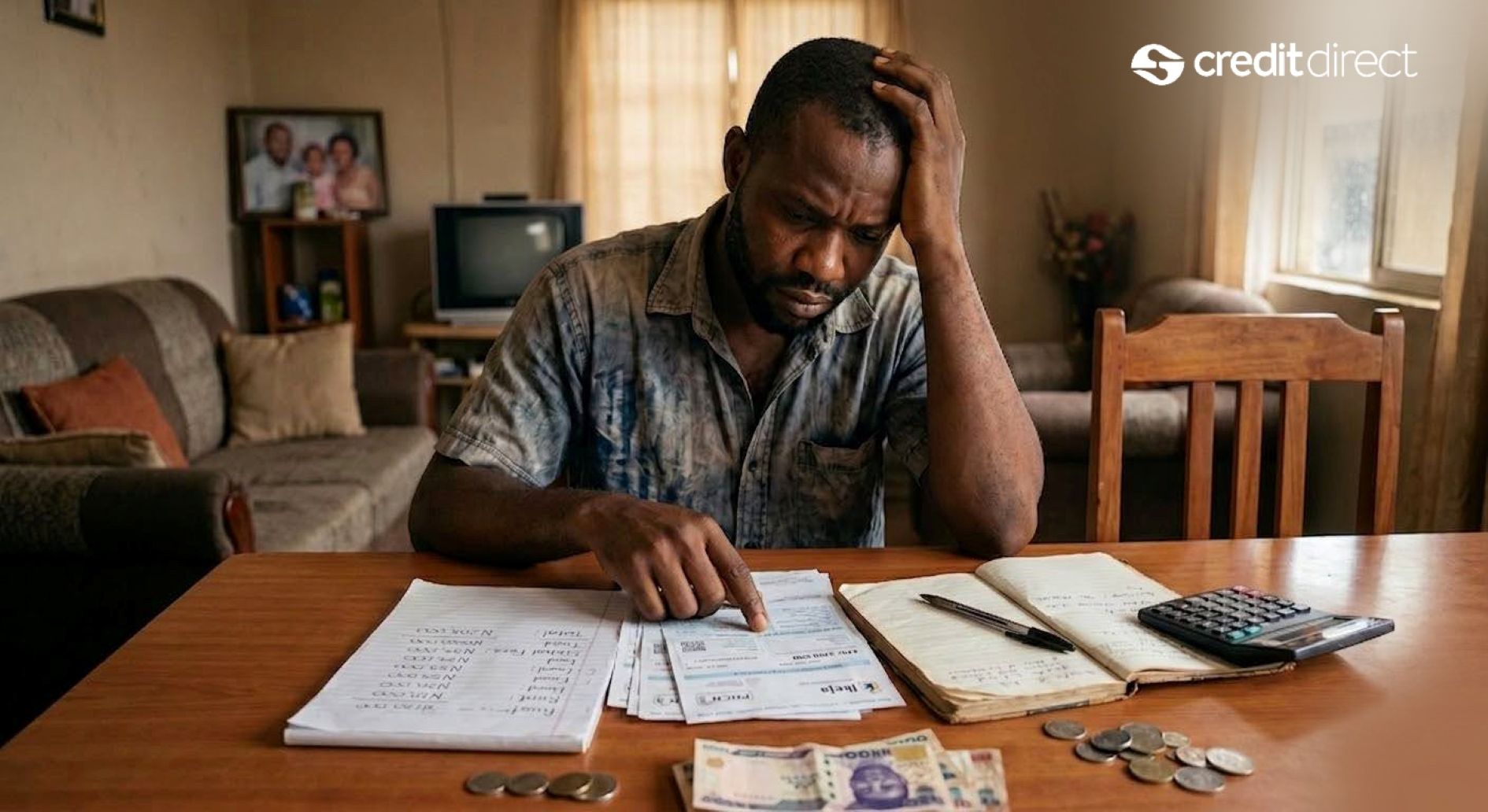
Nigerian households remained reluctant to commit a significant share of their income to major purchases such as homes, cars and other consumer durables in 2025, as lingering cost-of-living pressures continued to shape spending decisions.

Data from the Central Bank of Nigeria’s (CBN) Consumer Sentiment Survey, analysed in Credit Direct’s 2025 Nigeria Credit Landscape Report (https://www.creditdirect.ng/2025-credit-report), showed that the High-Value Purchase Index remained below the 50-point benchmark throughout the year, reflecting weak appetite for big-ticket spending.
The index, which measures consumers’ willingness to make major purchases, averaged between 21 and 22 points during the year and peaked at 29.9 points in November 2025. The reading suggests that many households still considered it an unfavourable time to invest in housing, motor vehicles and other durable goods.
According to the report, the trend reflects the lasting impact of the cost-of-living pressures households have faced over the past three years. Although broader economic conditions have shown signs of stabilisation, many families are yet to fully recover from the erosion of purchasing power caused by inflation and rising living costs.
As a result, spending patterns have remained concentrated on essential needs, while demand for small-ticket loans used to finance day-to-day expenses has continued to rise. At the same time, appetite for borrowing linked to discretionary spending and asset purchases has remained subdued.
The report noted that this trend was reflected in a sharp increase in personal loans disbursed by finance companies, which rose from ₦90.96 billion in January 2022 to ₦247.70 billion in November 2025.
A similar sense of caution is evident among businesses. According to the report, firms have remained hesitant to commit to significant capital expenditure amid elevated financing costs and persistent economic uncertainty.
For lenders, the environment presents both opportunities and risks. While demand for consumer credit is expected to re-emerge, particularly among salary earners seeking liquidity support or asset replacement, high interest rates continue to constrain borrowing capacity and increase default risks, especially within unsecured lending portfolios.
Credit Direct identified two possible scenarios for credit demand in 2026. Under the first, a moderation in interest rates could support a gradual recovery in borrowing activity, improve repayment performance and strengthen returns for lenders. Under the second scenario, continued macroeconomic pressures could keep borrowing costs elevated and further dampen credit uptake.
Despite the challenges, the report found that households are becoming less pessimistic about their financial outlook than they were a year ago. However, savings levels, discretionary spending and demand for credit remain relatively weak.
Credit Direct (https://www.creditdirect.ng) projects that as macroeconomic conditions improve, consumer spending could gradually shift beyond essential purchases, creating new opportunities across retail lending segments. The report also identified Buy Now, Pay Later products, payroll lending, asset financing and other structured consumer credit solutions as areas likely to benefit from a recovery in household spending and borrowing activity.
The full Nigeria Credit Landscape Report 2025 is available for download from Credit Direct: https://www.creditdirect.ng/2025-credit-report

