 Follow Us on Google News
 Follow Us on Google Discover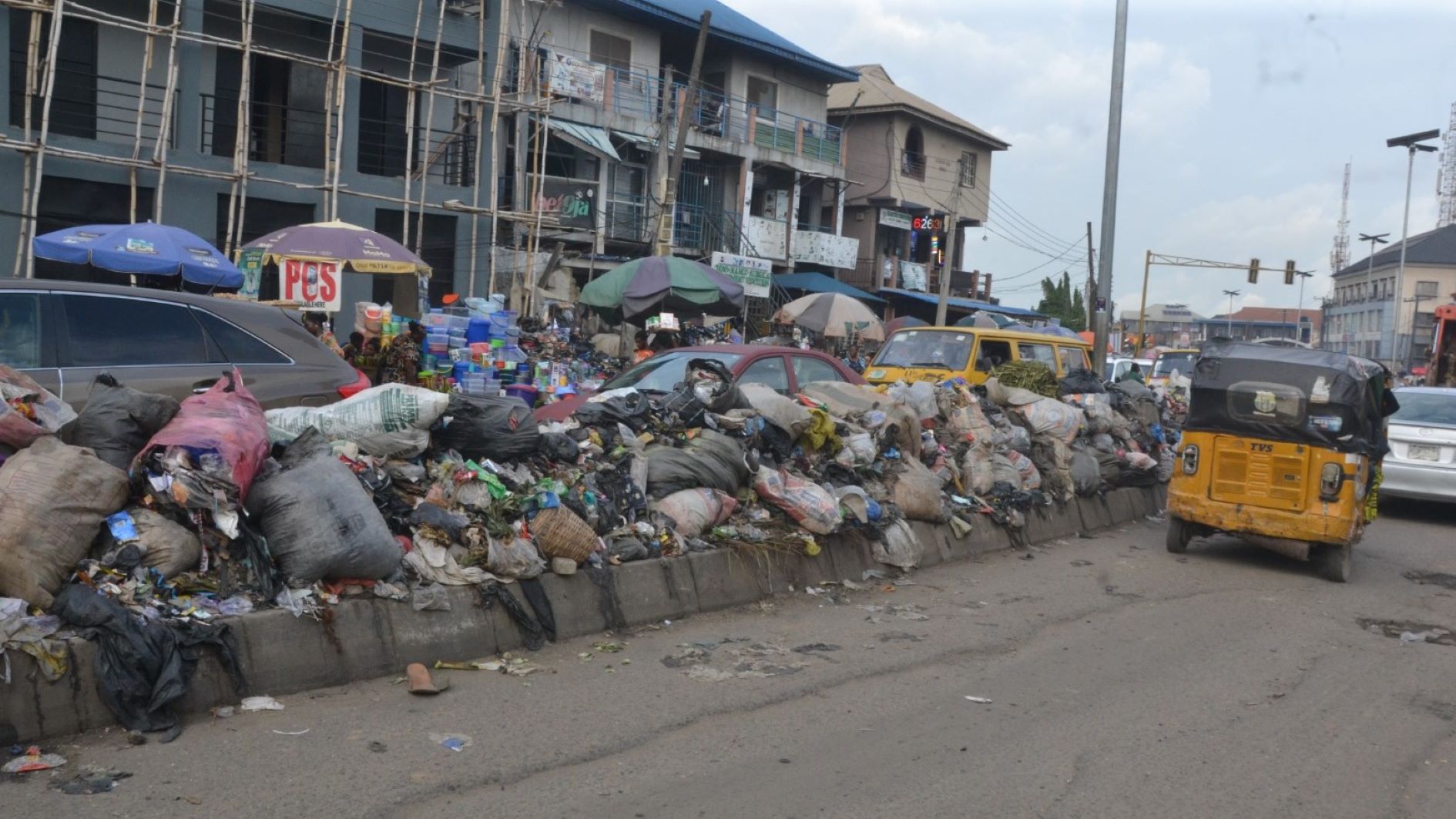
• Says flash floods in coastal state inevitable
• TCN declares force majeure on Oworonshoki transmission substations over flooding
Lagos State Government has said that flash flooding remains inevitable due to the state’s coastal location, urging residents not to worsen the situation by dumping refuse on roads and into drainage channels.

The state’s Commissioner for the Environment and Water Resources, Tokunbo Wahab, made the remarks, yesterday, during an interview on Channels Television while reacting to the recent flooding recorded in parts of the state following heavy rainfall.
He said the state had installed modern monitoring devices across its waterways to track water levels in real time and provide early warnings whenever flooding risks increase.
Wahab, however, stressed that residents have a critical role to play in preventing avoidable flooding by properly disposing of waste.
The state government, which warned residents to brace for more heavy rainfall and flash floods in the coming weeks, urged those living in low-lying areas to relocate to safer locations as part of measures to protect lives and property.
Wahab, while speaking during an inspection of the ongoing demolition of illegal structures and shanties obstructing the road median along the Lagos-Badagry Expressway, said residents must support the government’s efforts to tackle flooding.
He noted that the Nigerian Meteorological Agency (NiMet) had earlier predicted thunderstorms, heavy rainfall and possible flash floods in Lagos and several other states.
According to him, some of the challenges were caused by illegal land reclamation by private landowners.
He, however, advised residents to report any failure by PSP operators to the Lagos Waste Management Authority (LAWMA).
However, the Transmission Company of Nigeria has declared a force majeure on the Oworonshoki 132/33kV and Lekki 330/132kV transmission substations following severe flooding caused by persistent rainfall in Lagos State.
In a statement yesterday, signed by its General Manager, Public Affairs, Ndidi Mbah, TCN said the flooding had significantly affected operations at the two substations, with the Oworonshoki facility currently out of service.
According to the firm, the Lekki 132kV Transmission Substation remains operational, with engineers continuing to pump out floodwater to keep the facility in service.
TCN, however, said that rising water levels at the Oworonshoki Transmission Substation affected two power transformers—TR1 (60MVA) and TR3 (30MVA)—which tripped on no load even after restoration attempts.

