

The National Archives of Nigeria, comprising three major centres in Ibadan, Enugu, and Kaduna, together preserve more than a century of the country’s history. Their collections include government records, private letters, Arabic manuscripts, newspapers, photographs, and maps, many of which are open to the public but remain largely unknown to most Nigerians.
The archives were established through the efforts of historian Kenneth Dike. In 1949, while reviewing government records, he found many valuable historical documents damaged by neglect, insects, and poor storage. His campaign to preserve them led to the creation of the National Archives of Nigeria, safeguarding the country’s documentary heritage for future generations.
National Archives, Ibadan
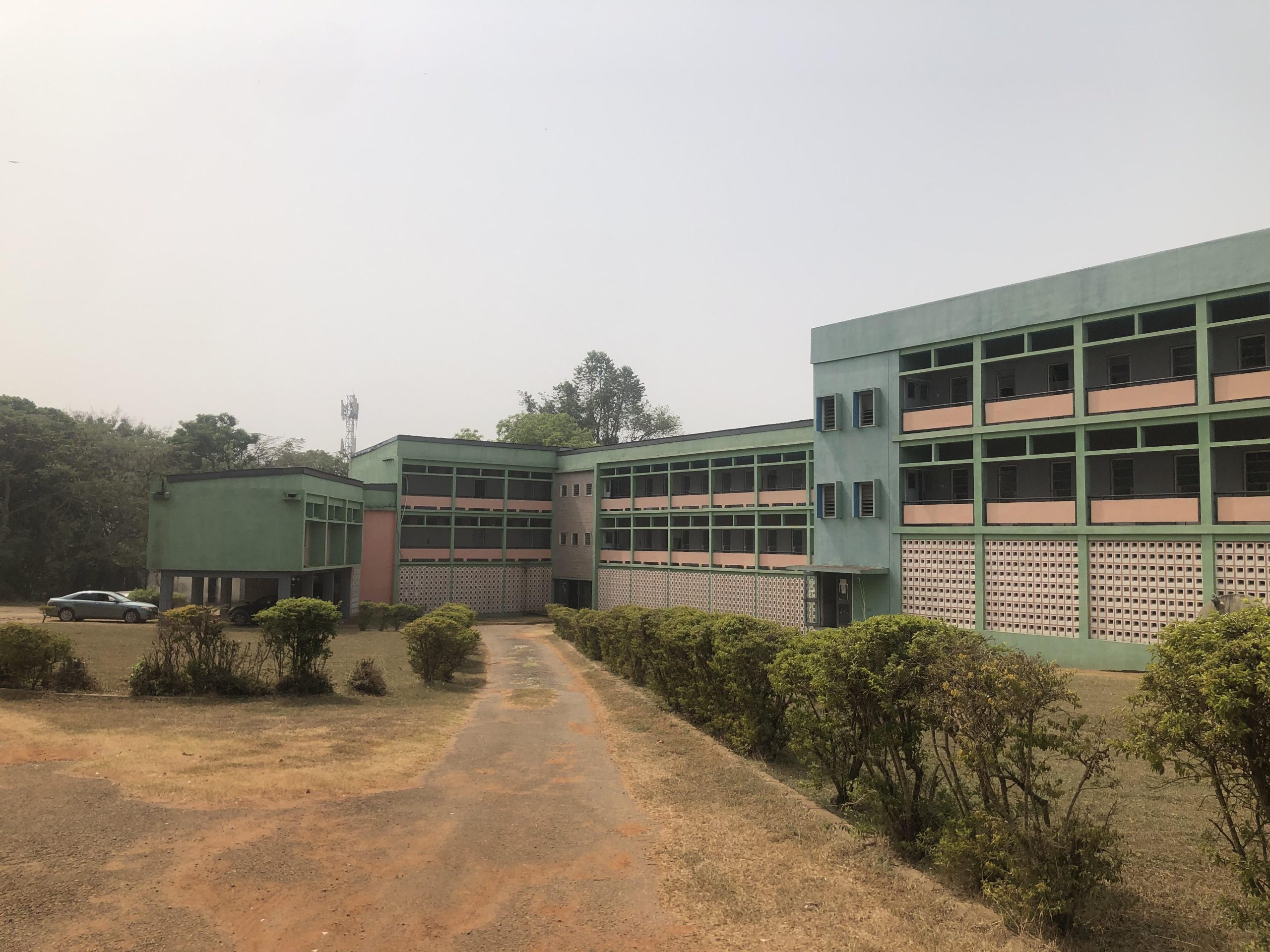
The Ibadan branch is the largest of the three and the first purpose-built archival building in tropical West Africa. Located inside the University of Ibadan campus, it officially opened on 9 January 1959.
Its collections include government papers, local authority records, family archives, private correspondence, church records, and official publications covering present-day Oyo, Ogun, Lagos, Ondo, Kwara, and the former Bendel region.
The inventory stretches across colonial records, newspapers, maps, photographs, official gazettes, court documents, magazines, currencies, and reports. It also preserves approximately 600 linear metres of records, including correspondence between colonial administrators, provincial files, wartime materials, and decades of Nigerian newspapers.
Spend time in the newspaper section, and one thing becomes obvious: many of the political anxieties of the 1940s still feel surprisingly familiar.
Pinned in the search room is a newspaper clipping from 1986 recounting how a university lecturer and an accomplice removed historical documents from the archive and were sentenced to ten years’ hard labour. It remains there as a reminder that preservation depends as much on discipline as on storage.
Visitors register on arrival, pay a small fee, receive a guide, and may request up to six files per session. Weekday mornings are usually the best time to visit.
National Archives, Enugu
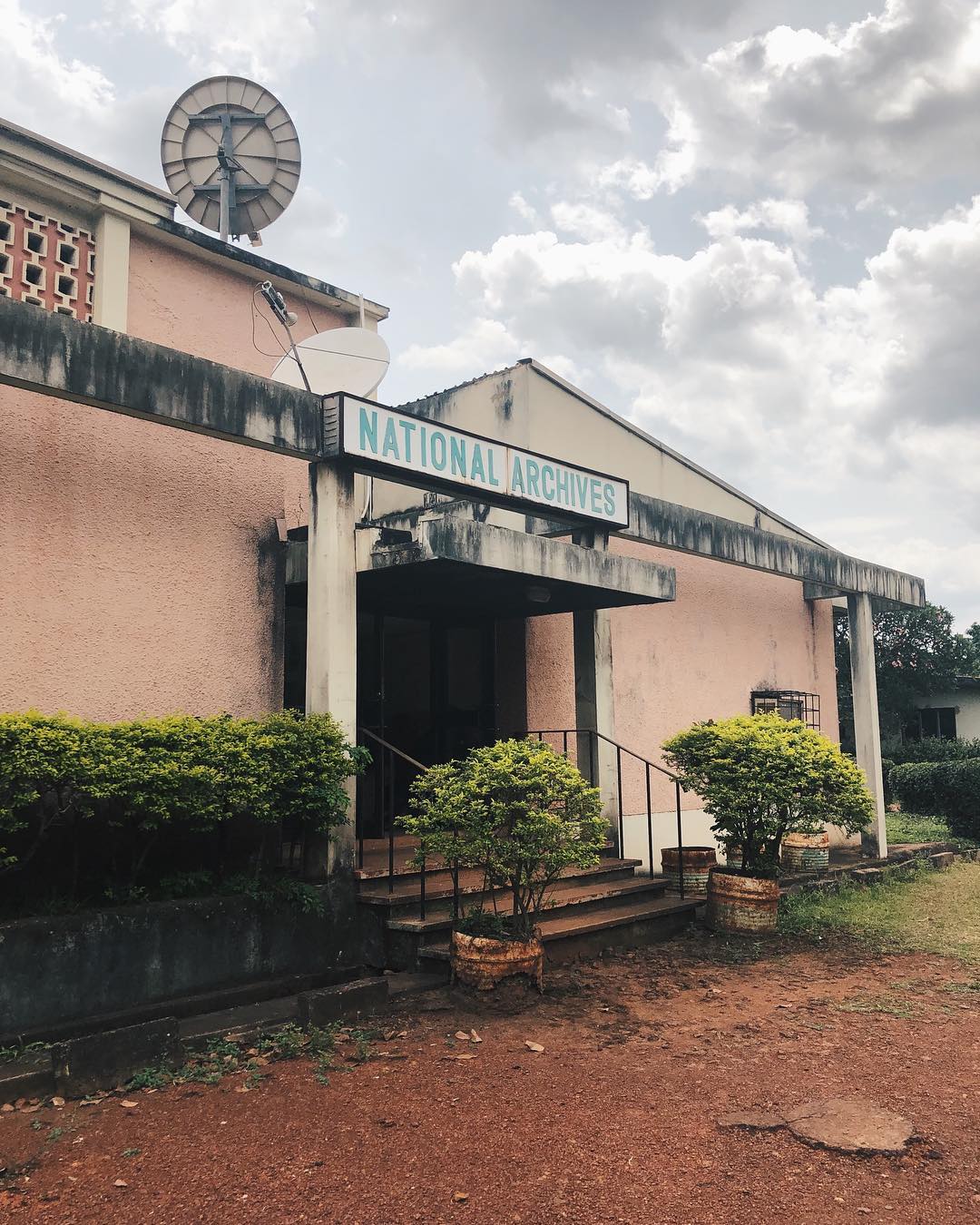
The Enugu branch is quieter and more academic. Its collections date from the late nineteenth century to 1960 and include colonial government records, court files, native authority documents, petitions, personal letters, missionary records, and family collections.
For anyone trying to understand southeastern Nigeria, this archive offers one of the richest starting points.
What makes Enugu distinctive is the story hidden inside its paperwork. Eastern Nigeria was central to British commercial interests, first during the slave trade era and later through the palm oil economy. That history survives here through treaties, correspondence, trade records, and administrative documents.
Researchers studying the road to the Nigerian Civil War, regional politics, or colonial administration often begin here.
The archive opens from 8:00 am to 2:30 pm on weekdays. Registration cards are valid for one year. First-time visitors should bring a passport photograph. Visitors may request up to six files, four volumes, or two newspapers at a time.
National Archives, Kaduna
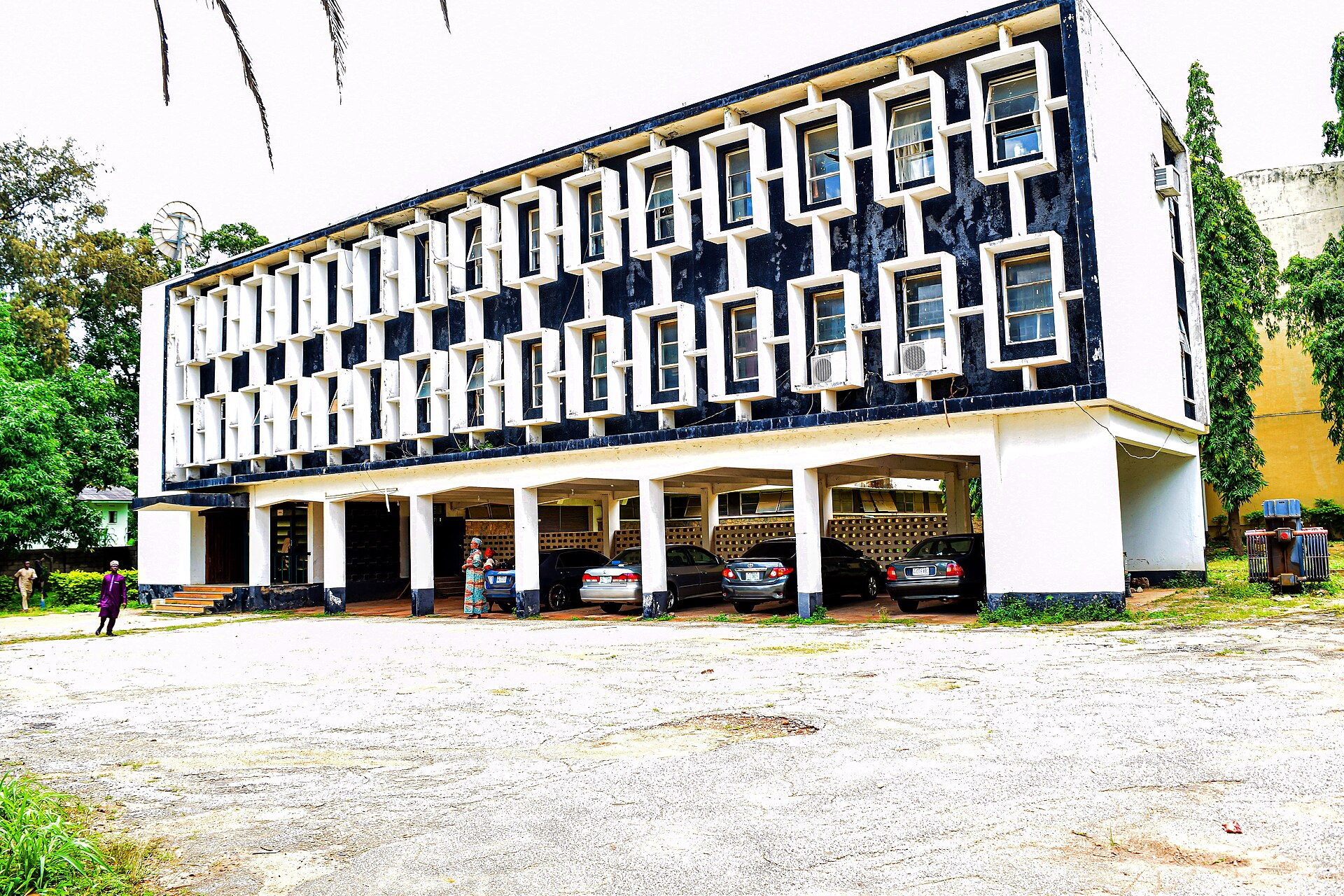
Located on Yakubu Gowon Way, Kaduna, it holds some of the oldest records in the entire archive system.
Its most remarkable collection is its Arabic manuscript archive, containing thousands of documents dating from the eighteenth century to the 1930s, alongside extensive Hausa-language materials including chronicles, correspondence, legal documents, and religious texts.
Many Nigerians outside the north have never encountered this body of historical writing. Yet, it offers one of the most detailed records of political, intellectual, and religious life in the region.
Beyond the manuscripts are more than 40,000 volumes and files covering colonial and post-colonial governance, provincial administration, annual reports, gazettes, and records connected to traders, missionaries, and local authorities.
For anyone interested in understanding the Sokoto Caliphate, indirect rule, or northern Nigerian history beyond textbook summaries, Kaduna is difficult to ignore.
Opening hours run Monday to Thursday from 8:30 am to 2:30 pm and on Fridays until 12:30 pm.
State of the archives
It would be misleading to describe these archives as perfectly preserved.
All three repositories, many of which were built decades ago, have faced years of underfunding and maintenance challenges. Preservation issues, including humidity, pests, and ageing infrastructure, continue to threaten parts of the collections.
Digitisation projects supported by international institutions have helped preserve vulnerable materials, but many records remain accessible only in person.
Plan your visit
National Archives, Ibadan
University of Ibadan campus
Weekdays only
Register on arrival; maximum of six files per session
National Archives, Enugu
3 Colliery Avenue, GRA, Enugu
8:00 am–2:30 pm, weekdays
Bring a passport photograph for the first registration
National Archives, Kaduna
29 Yakubu Gowon Way, Kaduna
Monday–Thursday: 8:30 am–2:30 pm
Friday: 8:30 am–12:30 pm
No document requests within one hour of closing