 Follow Us on Google News


 Follow Us on Google Discover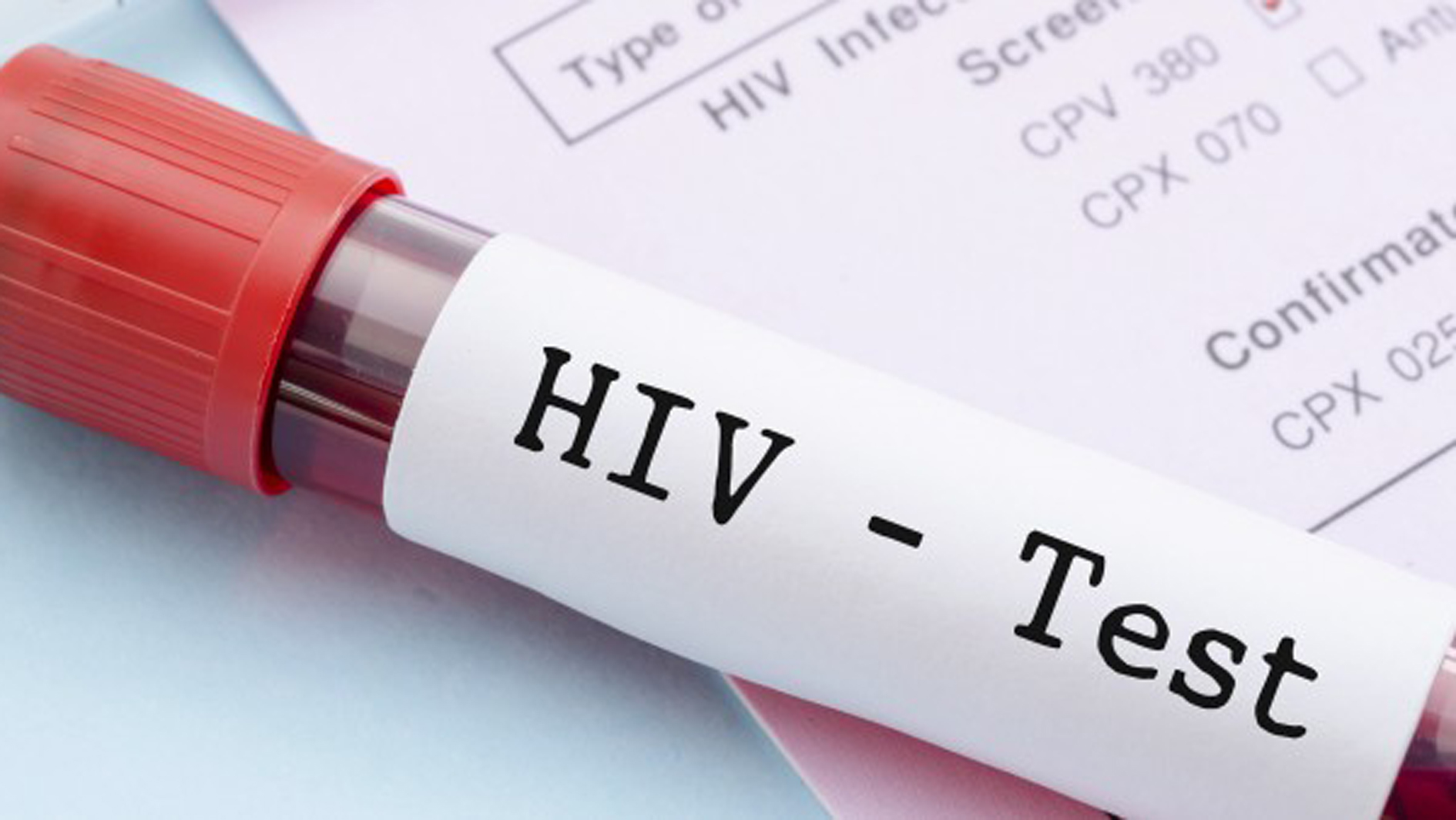
Says 147,904 are receiving antiretroviral therapy
Lagos State Government, yesterday, revealed that 3,390 persons had been diagnosed to be HIV-positive in the first three months of 2026 from the 179,229 HIV tests conducted by the government, aside from 147,904 persons receiving antiretroviral therapy across the state.
Chief Executive Officer, Lagos State Aids Control Agency (LSACA), Dr Folakemi Animashaun, disclosed this during a media briefing to provide factual clarification regarding recent media reports that suggested that Lagos State recorded the highest number of new HIV infections in Nigeria in 2025.
“Let me state unequivocally that Lagos State’s HIV response remains strong, proactive, evidence-based, and firmly on course. The figure widely reported in the media requires important technical interpretation. It does not literally translate to the state recording 10,430 new HIV infections in 2025.
“The number refers to newly diagnosed HIV-positive cases, not necessarily new HIV infections that occurred within the year. A newly diagnosed HIV-positive case simply means an individual was confirmed HIV-positive during the reporting period.”
These include persons who may have acquired HIV several years earlier but were only recently tested. The figure may also include people who travelled to Lagos State for testing or treatment, referrals from other states, and individuals identified because of the state’s expanded access to HIV testing services.

“On the other hand, new HIV infections refer to individuals who acquired HIV within a defined period and are estimated using established epidemiological surveillance methods and scientific modelling. These are two different indicators and should not be interpreted interchangeably,” she said.
Animashaun stated that the distinction is critical because inaccurate interpretation of public health data can generate unnecessary fear, increase stigma and discrimination, discourage HIV testing, and ultimately undermine public health interventions.
“To ensure complete transparency, Lagos State is engaging relevant stakeholders to understand the methodology, indicator definitions, and reporting assumptions underlying the published figures. This will ensure accurate interpretation and responsible public communication.
“Stronger surveillance systems and wider access to healthcare services invariably result in higher case detection and should not be misconstrued as evidence of worsening epidemic control. The available programme data demonstrate sustained progress in HIV control across the state.
“In 2025, Lagos State conducted 504,800 HIV tests, through which 11,940 HIV-positive cases were identified, representing a positivity yield of 2.4 per cent. In the first quarter of 2026, the state conducted 179,229 HIV tests, identifying 3,390 HIV-positive cases, while the positivity yield further declined to 1.9 per cent. The declining positivity rate, despite expanded testing, is a significant epidemiological indicator that reflects improving epidemic control.
“Furthermore, as of 2025, 147,904 persons were receiving antiretroviral therapy across Lagos State, with 97 per cent achieving viral suppression. This represents a major public health milestone and demonstrates the effectiveness of the state’s HIV treatment programme.
“Similarly, Lagos State continues to record significant progress in the prevention of mother-to-child transmission of HIV. The early infant diagnosis positivity rate has declined remarkably from 5.1 per cent in 2020 to 1.5 per cent in 2025, reflecting sustained improvement in maternal and child HIV services. These indicators collectively demonstrate that Lagos State has built one of Nigeria’s strongest HIV surveillance, prevention, treatment, and response systems.”

