 Follow Us on Google News
 Follow Us on Google Discover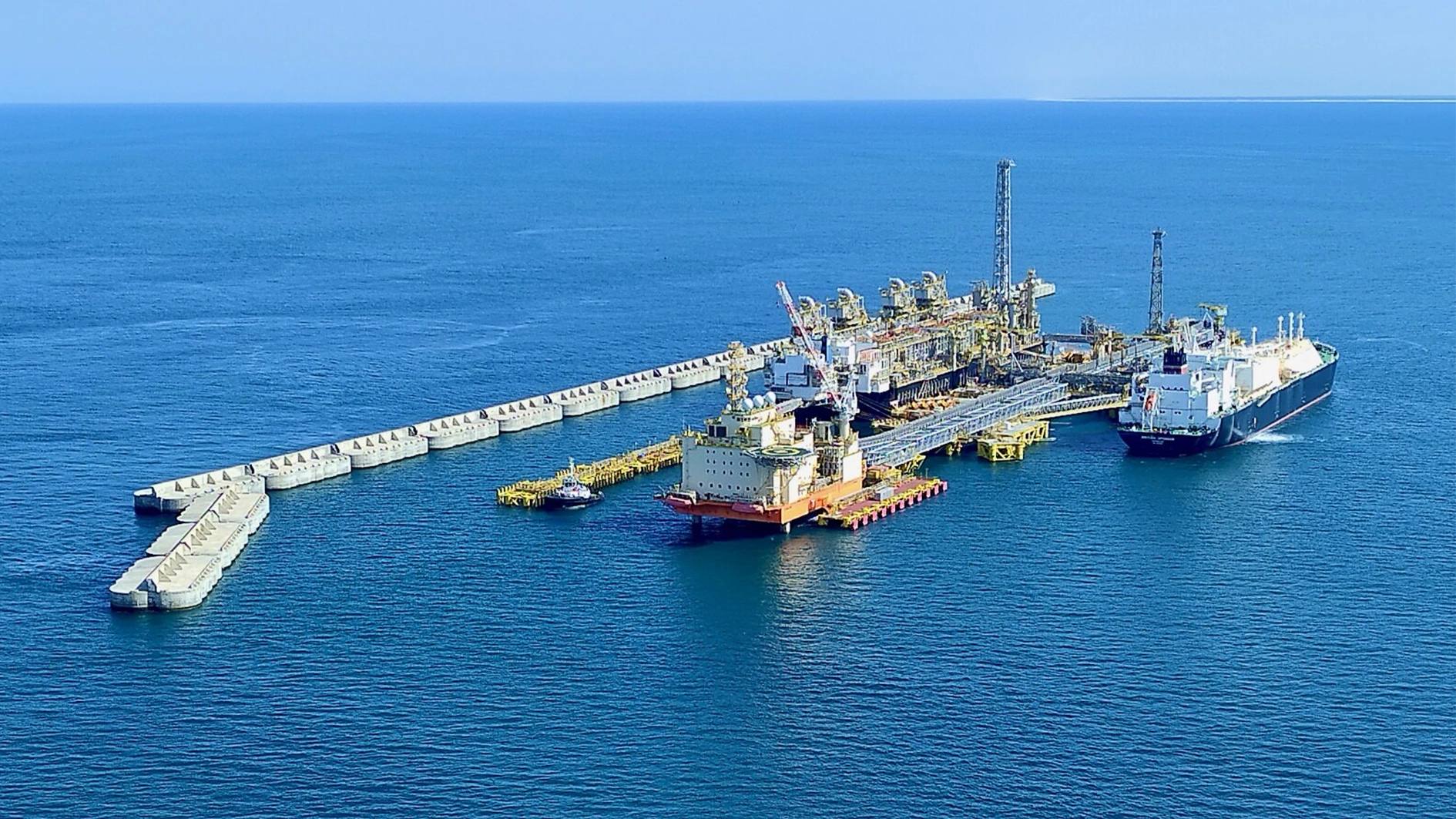
By Régis Hounkpè
Africa is home to nearly 18% of the world’s population but accounts for less than 6% of global energy use. This is despite the discovery of more than 5,000 billion cubic metres of natural gas resources in the continent, resources that, crucially, have not yet been approved for development. This paradox is at the core of Africa’s energy sovereignty challenge.
These natural resources can be turned into power for homes, fuel for industry, jobs for young people, revenues for states and leverage in global markets. But the road from extraction to value retention is fraught with difficulty. Looking at countries who have been able to walk the path successfully, it becomes clear that local value retention is rooted in the infrastructure and institutions built around the resource.
If African states are able to turn resource potential into production capacity, they will unlock massive growth potential.
Few countries capture this opportunity as clearly as Senegal. Like many of its African neighbours, Senegal has recently found itself sitting atop powerful reserves of fossil fuels. In 2024, the country entered the ranks of oil producers through the Sangomar offshore project, whose first phase includes a floating production vessel with capacity of 100,000 barrels per day. Alongside this, the Greater Tortue Ahmeyim (GTA) LNG project, shared with Mauritania, is set to produce around 2.3-2.5 million tonnes of LNG a year.
Yet while resource extraction can generate jobs, investment and export revenue, lasting value comes when countries build the infrastructure, institutions and local capabilities that allow them to capture more of the energy chain – from production and processing to power generation, distribution and end-user consumption.

These projects can generate significant wealth at home and empower the domestic economy only if the country is able to capture the value locally.
It seems like things are on the right track: GTA has created more than 3,000 jobs, involve over 300 local companies and train dozens of offshore technicians. Beyond the economic benefits of the immediate employment boost, the economic chain set in motion by the project will see wages supporting households, contracts flowing to Senegalese firms, and technical skills developing in areas such as logistics, engineering and maintenance that will help retain more value. These capabilities are transferable. A technician trained for offshore operations, or a local company able to meet LNG standards, can serve future energy projects, ports, power infrastructure and heavy industry.
Senegal has historically depended on fossil fuels for more than 70% of its energy needs, representing around 20% of its import bill. Ramping up domestic gas production can help the country reduce its traditional reliance on imported heavy fuel oil, lower power costs and improve energy security.
Ultimately, though, it will be infrastructure that will determine whether Senegal’s energy ambition can be turned into realised gains. The country’s gas-to-power strategy will require pipelines, processing capacity, power plants, grids, storage, and transmission networks capable of moving energy from offshore fields to homes, businesses and industrial users.
Senegal and other African producers can look eastwards, to the Gulf, for a useful lesson in how to transform resource capacity into long-term growth potential. The UAE have used hydrocarbons as the anchor for a wider energy, industrial and logistics ecosystem, linking production to domestic suppliers, skilled employment and downstream value creation.
ADNOC’s In-Country Value programme is one practical expression of that approach, where the country has sought to ensure that energy investment generates benefits far beyond the rig. Companies bidding for contracts receive credit for using local suppliers, manufacturing in-country, and employing nationals. Since 2018, the programme has channelled more than US$65.9 billion back into the UAE economy and helped create over 18,500 private-sector jobs for Emirati nationals. Similarly channelled, African energy projects can likewise be platforms for developing local suppliers, building industrial capacity, creating skilled employment and strengthening domestic value chains.
ADNOC’s successes were built through years of deliberate matchmaking with key players from across policy, capital, and infrastructure. To forge the right partnerships, Senegal and its neighbours should look to the UAE’s network of alliances and key events, chief among them ADIPEC – the world’s largest energy event, hosted in Abu Dhabi from the 2-5 November. What makes gatherings of this kind valuable for African producers is the chance to negotiate, at the point of contract, the terms that determine whether value is retained at home, before those terms are set elsewhere and the room to negotiate them closes. Therefore, ADIPEC’s exhibition offers African countries a rare opportunity to attract investment and shape the context which will dictate their countries’ energy future.
The decisions made in those rooms will determine whether Senegal, as well as its neighbours, will be able to invest in the long-term development of their systems and retain value in-country.
The real test of energy sovereignty will be what production builds at home.

