 Follow Us on Google News
 Follow Us on Google Discover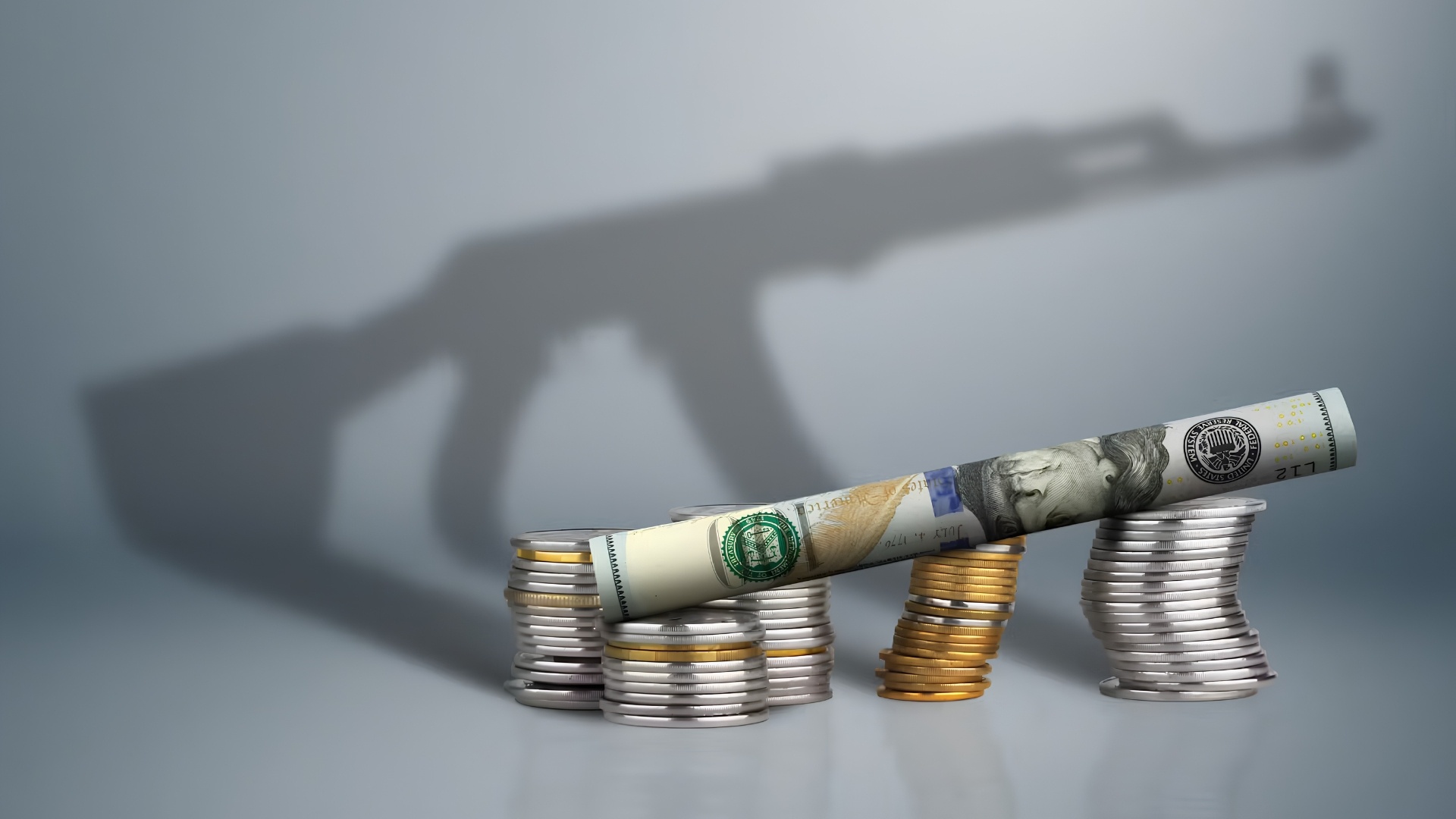
Terrorism in Nigeria is close to reaching a strategic level, lacking only one element. When insurgencies attain a strategic level, some might consider the country unlivable, unless residents choose to live under terror’s control and rules.
A key factor elevating Nigerian insurgencies is the terrorists’ strong logistics, which continually improve, combined with widespread corruption, most especially in the government.

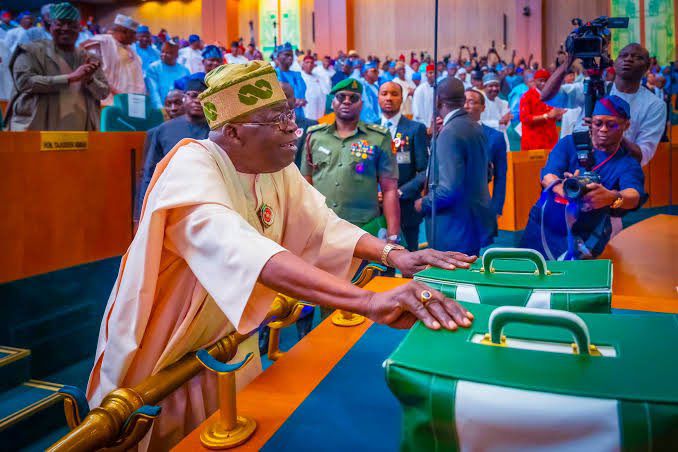
An unidentified, fictitious government agency, the Presidential Foreign Intervention Promotion Council (PFIPC), was found to have received ₦1.3 billion in Nigeria’s 2026 federal budget. No government bodies are willing to take responsibility for this national crisis, claiming the agency is unknown. Interestingly, this suspicious budget was listed alongside the Presidential Economic Advisory Council.
The Nigerian government claims it knows the sources of funding terrorism, but there has been little investigation, arrest, or prosecution.
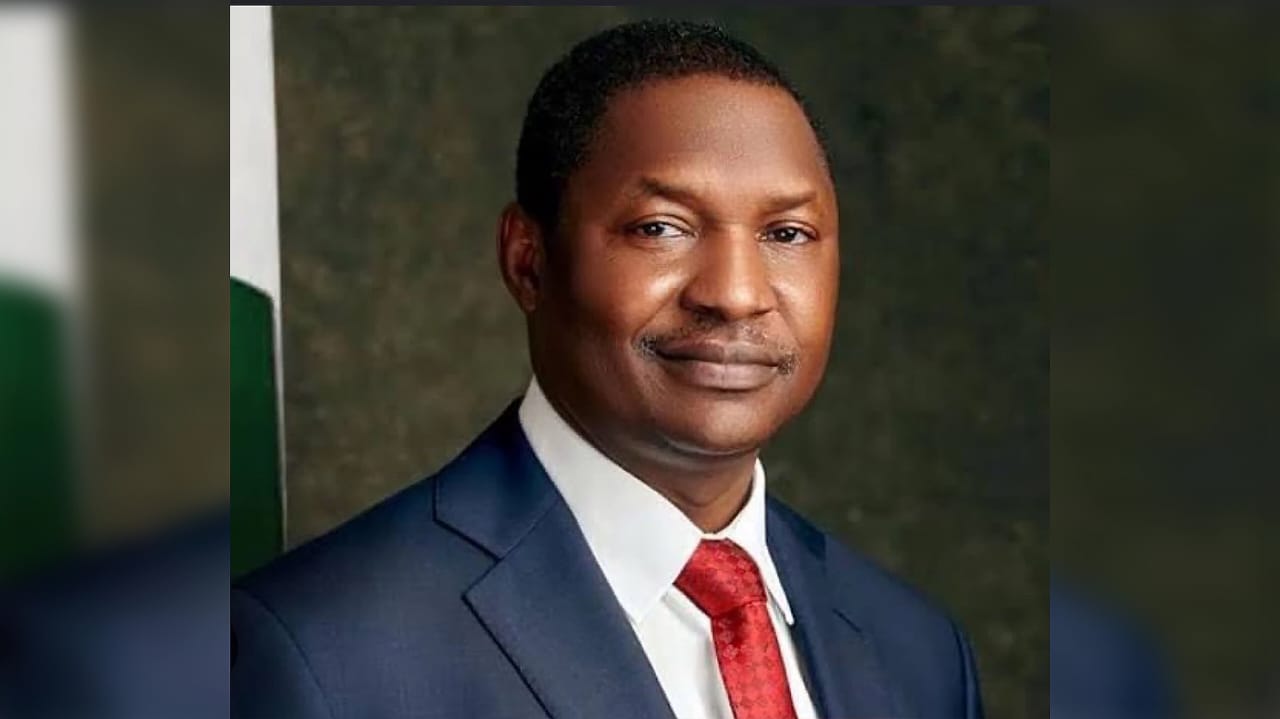
In January 2026, former Attorney-General Abubakar Malami was detained by the Department of State Services (DSS) on suspicion of aiding terrorism financing. Yet, by April 2026, the government had dropped the terror-related charges, shifting focus to unlawful firearm possession.
This gap in addressing terrorism financing suggests that the government may be unknowingly supporting terrorism.
It is important to state that effective supply chains for terrorists often overlap with legitimate economic activities. Sometimes, individuals and businesses involved in moving these goods are unaware that their clients are terrorists. This is because terrorists frequently operate through shell companies or front businesses that conceal their true identity.
Corruption plays a significant role in enabling illicit trade; it allows protected timber to be logged and traded, facilitates the smuggling of humans, drugs, and arms, and enables illicit goods to cross borders duty-free. When offenders are apprehended, bribery can ensure their release or reduce their sentences, fostering a cycle of impunity. This emboldens illegal activity, and the combination of corruption-driven illicit trade creates a far more serious impact. This might apply to the 1.3 billion in Nigeria’s budget.
This contradiction is too significant to overlook. “If the agency was fictional, then who created the budget estimates under its name? Which ministry submitted these estimates? Who defended them before the National Assembly? Which committees examined them? Which lawmakers approved the budget? Who incorporated the allocation into the appropriation bill? And finally, who signed the bill into law?” None of these questions can be answered without implicating corruption.
David Babachir Lawal, Nigeria’s former Secretary to the Government of the Federation, has challenged assertions that a government agency can operate within the federal bureaucracy without the executive’s awareness.
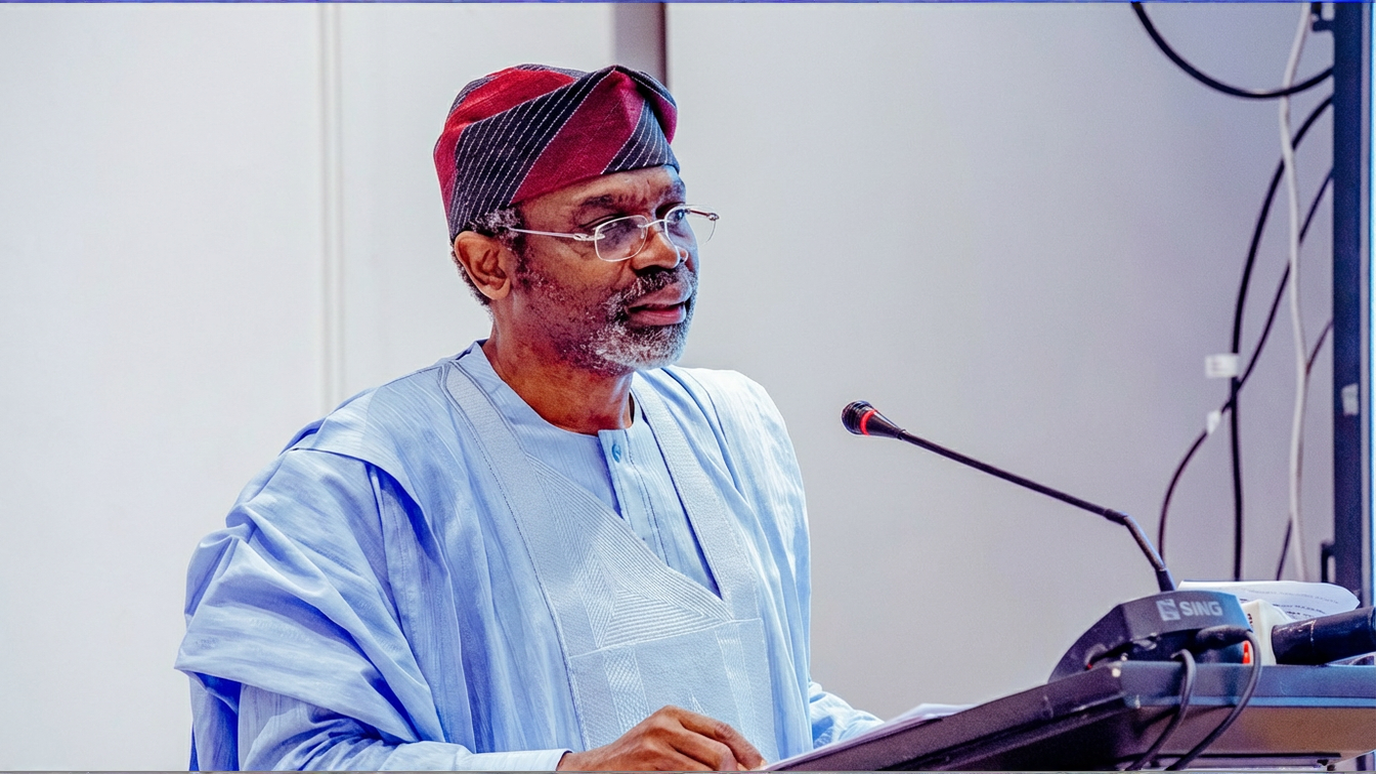
The Afenifere, the Yoruba socio-cultural organisation aligned with the late Chief Ayo Adebanjo’s faction, stated that it has little faith in the federal government’s ability to investigate allegations against President Bola Tinubu’s Chief of Staff, Femi Gbajabiamila, claiming that the administration “cannot investigate itself.”
Recently, the U.S. Department of the Treasury’s Office of Foreign Assets Control (OFAC) has frequently sanctioned Nigerian individuals and entities accused of funding terrorist groups like ISIS-WA and Boko Haram.
In March 2022 and February 2026, the U.S. Treasury targeted a network of Nigerian nationals in the UAE for transferring thousands of dollars to Boko Haram. The agency also froze assets of other key ISIL and Boko Haram facilitators in the region. Do we need to wait for foreign governments to help us identify those financing terrorism in Nigeria?
Terrorist groups in Nigeria have diverse sources of funding and logistical support, allowing them to persist in their conflict with the Nigerian government for nearly 20 years. Their revenue comes from kidnapping-for-ransom, transnational organised crime such as arms, asset, and currency smuggling, extortion, and levies. They impose heavy taxes, protection fees, and “zakat” (religious levies) on local businesses, traders, and farmers in their areas of influence.
Additionally, they exploit Bureau de Change (BDCs) and informal money transfer channels to inject illicit funds into the formal economy, often mixing illegal cash with legitimate transactions or smuggling it across porous borders with cash couriers, as noted by the United States. Some extremists also misuse non-profit organisations (NPOs), NGOs, and religious donations, disguising illicit fundraising as humanitarian aid.
The Nigerian government must conduct a comprehensive investigation into the ₦1.3 billion allocation in the 2026 federal budget by establishing independent bodies to examine this transparently. Allocating funds to an unknown agency could inadvertently be viewed as financing terrorism without knowing.
Addressing corruption is crucial, as it creates vulnerabilities that threaten national security. If left unaddressed, Nigeria risks becoming a pariah, deterring other nations from sharing intelligence or doing so only minimally. Nigeria’s leadership must start acting responsibly, as there is no alternative homeland to call its own.
Abiodun Ramon Oseni, a Fellow at the Institute of Security Nigeria, former U.S. police officer, and U.S. Army veteran, who specialises in international security at Harvard University and American Military University, wrote via [email protected].

