 Follow Us on Google News
 Follow Us on Google Discover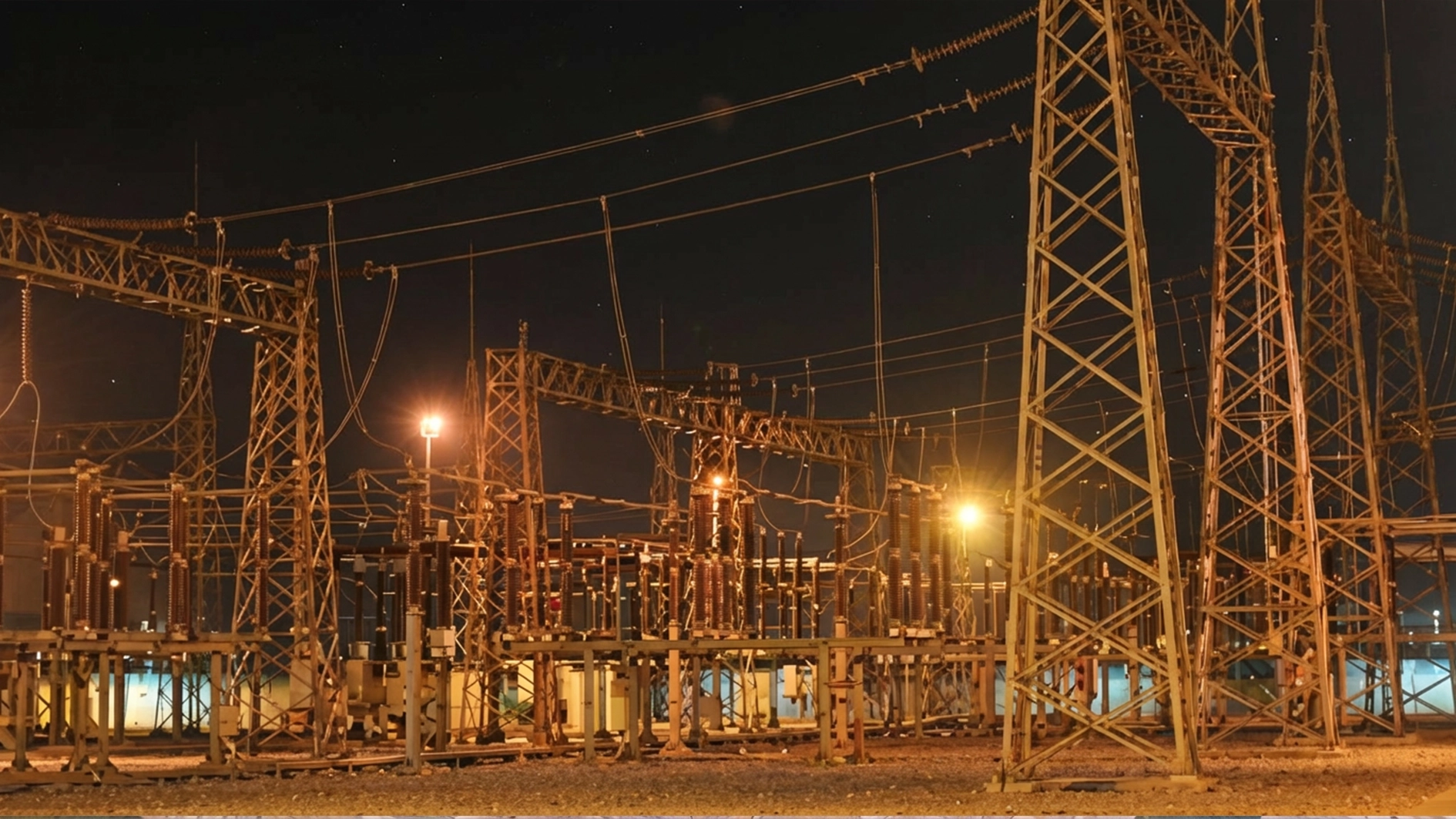
The Chairman of Zinox Group, Leo Stan Ekeh, has stated the imperative of reliable electricity supply to achieving Nigeria’s ambition of becoming a hub for local data hosting and artificial intelligence (AI) data centres.
Addressing newsmen during an online media engagement at the weekend, Ekeh noted that while the federal government’s push to promote local data hosting and indigenous data centres was a welcome development with long-term benefits for the country’s digital economy, addressing infrastructure gaps, particularly electricity, would be vital to its success.
“It is a good policy. It is futuristic, but the government must do its own part. Without reliable power, it will be difficult to achieve,” he said.
According to him, uninterrupted electricity remains essential for the operation of modern data centres, which require continuous power to deliver reliable services.
He noted that many operators currently rely on a combination of grid electricity and alternative power sources, thereby increasing operating costs and making large-scale investments more challenging.
Ekeh stated that though businesses had continued to adapt to prevailing conditions, the high cost of energy remains an important consideration for technology investments.
He described solar energy as a useful intervention but noted that strengthening the national grid remains essential for supporting large-scale digital infrastructure. He stressed that solar is not a total solution but an intervention, adding that “the national grid remains the real solution.”
Ekeh also cautioned against the growing use of substandard solar equipment, saying poor-quality systems often fail within a short period, resulting in additional costs for businesses.
Meanwhile, beyond electricity, he said Nigeria was not yet ready for large-scale AI data centres because of inadequate digital infrastructure and a shortage of skilled technology professionals.
According to him, many existing data centres were designed before the emergence of AI and would require upgrades to meet current technological demands. Affirming that development has moved to AI data centres, he stated that “if you invest in a conventional data centre today, you are already investing in outdated technology.”
Ekeh further identified human capital as another major challenge, noting that many universities still lack stable electricity, decent computer labs, and qualified lecturers needed to train quality tech professionals to sustain investment.
He also stated that the migration of skilled technology professionals to countries such as the United Kingdom and the United States has continued to pose challenges for Nigeria’s digital economy, as technology experts here can earn much more in those other countries, compared to Nigeria.
The Zinox chairman stressed that trust, integrity, and strong data protection were essential to encouraging organisations to host sensitive information locally.
While commending the Governor of the Central Bank of Nigeria (CBN), Olayemi Cardoso, for promoting local technology development and putting many things in place, Ekeh said effective implementation would be key to achieving the desired results.
Ekeh also called for a credible digital population census, saying that reliable demographic data would improve national planning and support future investments in the country’s digital economy.
This follows a recent CBN directive mandating banks, fintechs and other payment service providers to store payment transaction data generated in Nigeria on local servers from January 1, 2027.

