 Follow Us on Google News


 Follow Us on Google Discover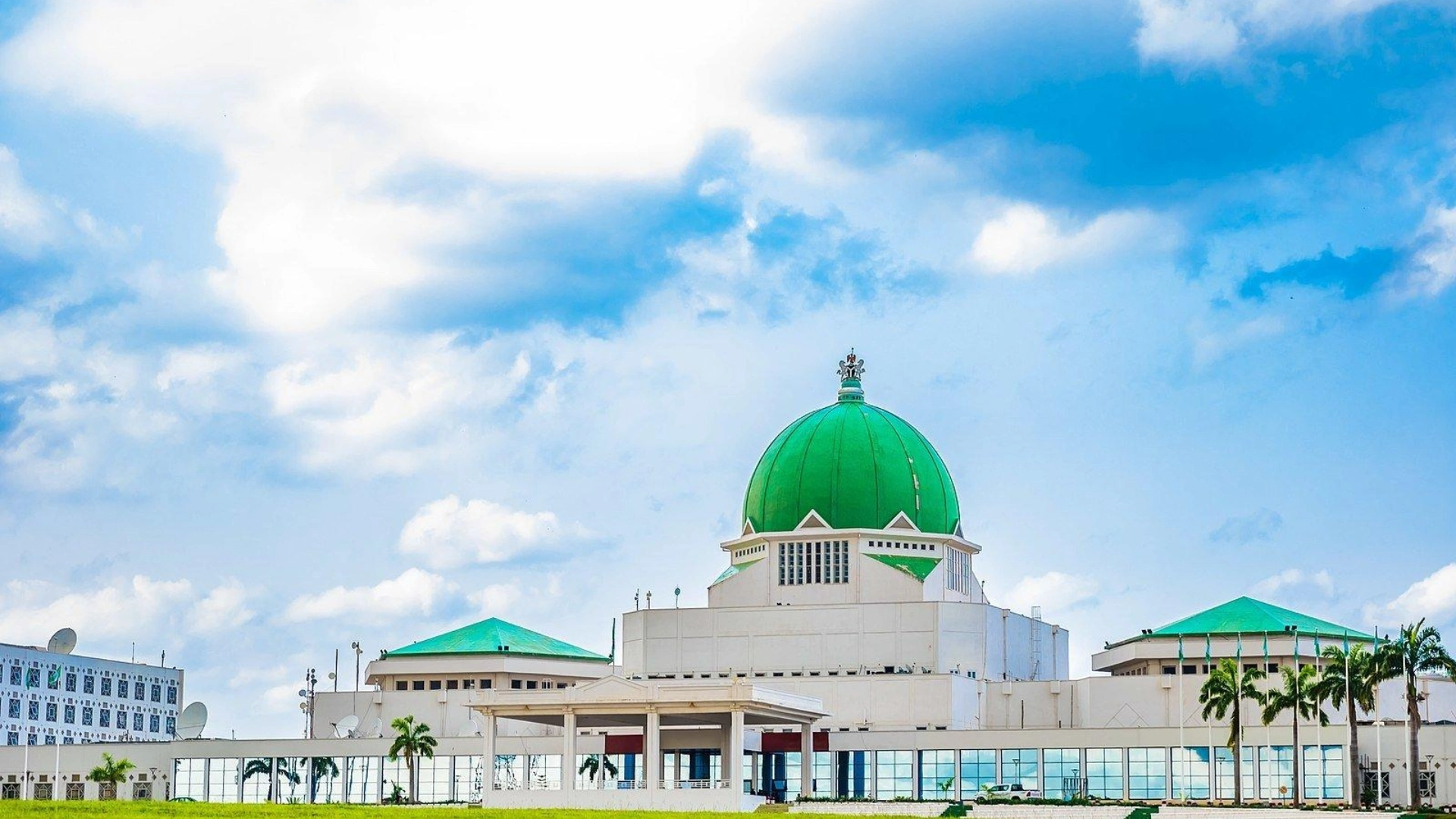
The House of Representatives has considered 2,747 bills and passed 363 in the first three years of the 10th National Assembly, chairman of the House Committee on Rules and Business, Hon. Francis Waive, has said.
Waive disclosed this on Monday during a media briefing at the National Assembly ahead of the commencement of the fourth legislative session of the House on July 7.
He said the 2,747 bills read for the first time between June 2023 and June 15, 2026 comprising 57 Executive Bills, 95 Senate Bills for concurrence and 2,595 Private Member Bills, while 363 had been passed by the House.
A breakdown showed that during the first legislative session, the House introduced 1,351 bills, including 12 Executive Bills, three Senate Bills and 1,336 Private Member Bills, with 89 bills passed.
In the second session, lawmakers introduced 912 bills, made up of 14 Executive Bills, 30 Senate Bills and 868 Private Member Bills, while 148 bills were passed.
The third session recorded 484 bills, comprising 31 Executive Bills, 62 Senate Bills and 391 Private Member Bills, of which 126 bills were passed.

Giving an update on the status of bills before the House, Waive said 1,782 bills are awaiting second reading, 323 have been referred to standing committees, 185 are awaiting consideration, 89 have been consolidated, while five bills were negetived.
On motions considered during the third session, he said 192 motions were referred to standing committees and 28 to ad hoc committees, bringing the total to 220 motions, while 121 motions were presented as matters of urgent public importance.
He added that the House considered 48 reports of the Committee on Public Petitions during the period.
According to Waive, some of the landmark legislations passed by the House in the third session include the 2026 Appropriation Act, the Electoral Act 2026, and the constitutional amendment bill on state police.
He noted that over the life of the current Assembly, lawmakers had also passed major legislations, including the Tax Reform Act, the Minimum Wage Act, and reforms in the petroleum sector, describing them as measures aimed at improving the lives of Nigerians.
“The House of Representatives, the people’s House, is working, and this is our scorecard for this session,” he said.
Responding to questions, Waive said his committee could not provide the number of bills that had received presidential assent, explaining that records of assented bills are maintained by the Clerk to the National Assembly and the Presidency.
He described the consideration and adoption of reports of the Public Accounts Committee as a milestone, noting that it was the first time since Nigeria’s return to democratic rule that such reports had been considered and approved on the floor of the House.
On the large number of establishment bills sponsored by lawmakers, Waive said several had resulted in the creation of functional federal institutions, citing federal medical centres as examples.
He clarified that the constitutional amendment bill providing for state police is separate from the executive bill seeking to amend the Police Act, which would prescribe the administrative framework for the operation of state police if eventually enacted.
Speaking, the House spokesman, Akin Rotimi, said many of the legislations passed by the House were already producing measurable benefits for Nigerians.
He cited the Nigerian Education Loan Fund (NELFUND) as an example, saying more than 1.6 million Nigerians had benefited from the scheme, with over N300 billion disbursed in student loans following the enactment of the enabling law by the National Assembly Faulty systems persist after N37bn National Assembly renovation.
Rotimi urged journalists to bear in mind that several bills introduced by lawmakers were later consolidated into single pieces of legislation, saying the number of bills passed should not be directly compared with the total number introduced.

