 Follow Us on Google News


 Follow Us on Google Discover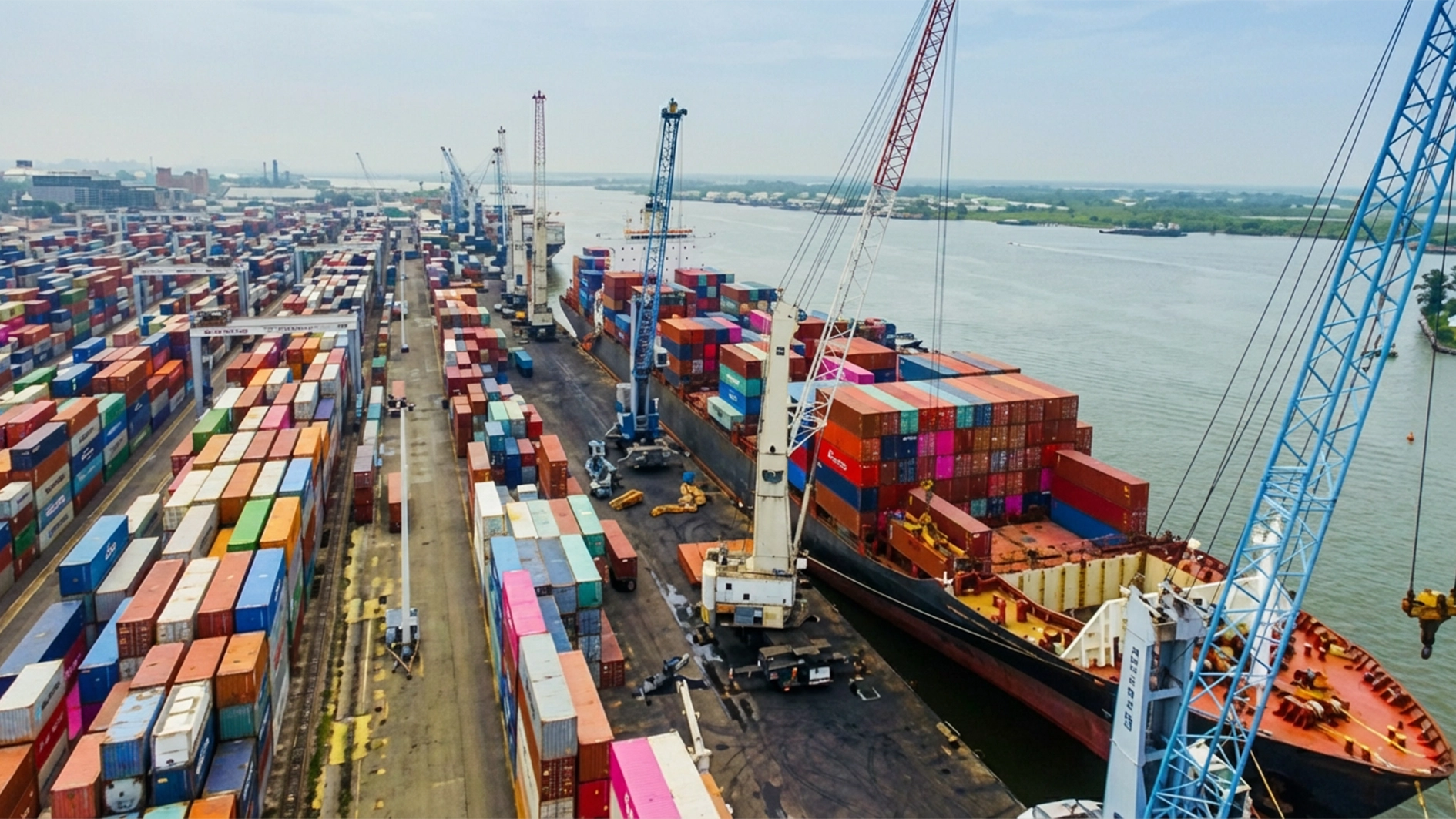
Vessel congestion at Lagos outer anchorage has increased with 39 ships currently waiting to berth, pushing the estimated demurrage exposure to $3.38 million.
The loss is contained in live automatic identification system (AIS) monitoring by Coastalynk Technologies Limited.
A few weeks earlier, the technology firm released maritime intelligence data showing that 18 vessels were waiting to berth, with an estimated congestion-related demurrage exposure of $1.22 million.
The ongoing challenge has led to an increase in the number of vessels to 30, with an estimated $2 million in demurrage, underscoring the growing economic impact of prolonged vessel waiting times.
Founder and Chief Executive Officer of Coastalynk Technologies Limited, Yahaya Tijani, said the latest figures indicated that both vessel numbers and associated demurrage costs have continued to rise, reflecting worsening congestion at Lagos ports.
Tijani said the average vessel dwell time at the Lagos anchorage has risen to 74.5 hours, while new vessels continue to join the queue, with the longest spending over 19 days.

He said the queue remains with different cargo owners continually absorbing the mounting demurrage costs.
“Nigeria is bleeding millions of dollars at sea – not from pirates or oil theft, but from waiting. Nigeria knows the price of crude in dollars. But not the cost of waiting for it,” he stated.
He explained that the latest estimate was generated using live vessel-tracking data and standard demurrage rates, providing what he described as the first real-time measurement of the financial cost of congestion at Lagos anchorage.
“This is exactly the conversation that needs to happen, but it has always stalled at the same point: where is the data? When the Ministry of Marine and Blue Economy can see these numbers updating daily and trace them to specific vessels and cargo types, the policy conversation stops being theoretical,” he said.
Operations Manager of ECM Terminals Limited, Otu Unor, said vessel waiting time is an operational inconvenience and a direct economic burden affecting cargo owners, shipping companies, terminal operators and the competitiveness of Nigeria’s trade corridor.
He said port and maritime performance are critical issues that often go unnoticed in discussions, adding that quantifying the cost of delays is an important step toward addressing port inefficiencies.
Unor stressed that reducing anchorage time through improved channel access, faster vessel clearance processes and better port coordination could unlock significant economic value.
“This is a powerful way to quantify the hidden cost of port inefficiencies. Every day a vessel spends at anchor translates to higher logistics costs, increased pressure on the supply chain, and reduced competitiveness for Nigerian trade,” he stated.
Unor also renewed calls for the revitalisation and greater utilisation of Eastern ports, including Calabar, Onne, Warri and Port Harcourt, arguing that decentralising cargo traffic would decongest Lagos ports, reduce vessel waiting times and improve overall port efficiency.
Unor’s colleague, Adeyemo Moradeyo, said the growing congestion highlights the need for the Federal Government and the Ministry of Marine and Blue Economy to promote a more balanced distribution of vessel traffic across the country’s ports,
He said several ports outside Lagos operate below capacity, even with capacity that could help reduce waiting times, minimise demurrage costs and improve overall port efficiency.
Moradeyo warned that the economic consequences of these inefficiencies extend beyond the maritime industry, noting that increased logistics costs arising from prolonged vessel delays eventually feed into inflation as importers pass the additional costs to consumers through higher prices of goods and services.

