 Follow Us on Google News
 Follow Us on Google Discover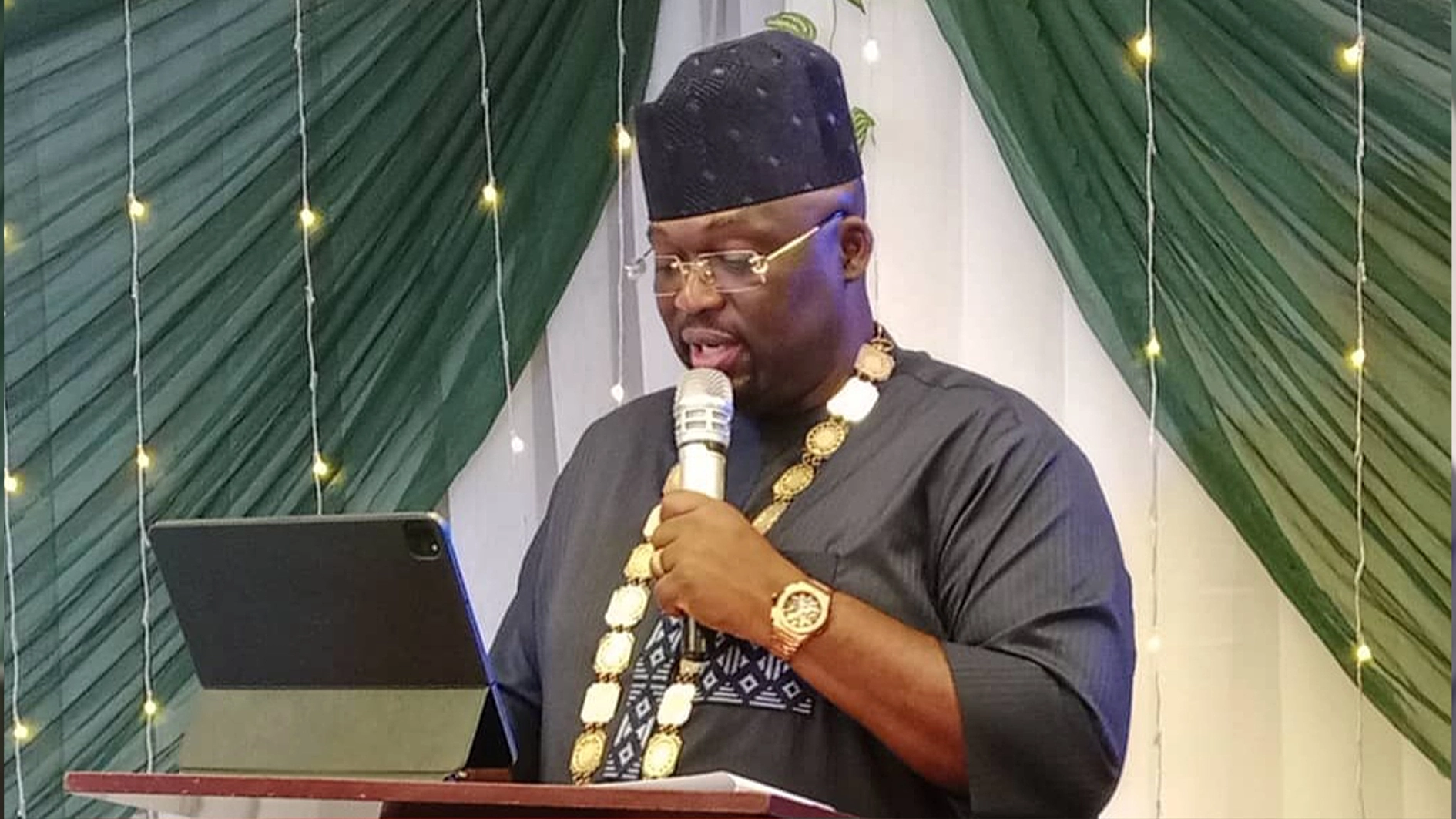
Nigeria’s manufacturing sector recorded stronger investor confidence in the first half of 2026, but industry players said the recovery remained fragile, constrained by high borrowing costs and a global oil price shock.
Chairman of the Manufacturers Association of Nigeria (MAN), Ogun State chapter, and Chief Executive Officer of Coleman Wires and Cables, George Onafowokan, said the sector entered 2026 on the back of improving macroeconomic conditions, only for the optimism to be disrupted by geopolitical tensions that drove up crude oil prices and freight costs.
Speaking on Channels Television’s Business Morning programme, Onafowokan recalled that the conflict involving the United States, Israel and Iran pushed crude oil prices from about $70 per barrel to over $100 per barrel during the first quarter, while shipping costs on the Asia-Africa route doubled from about $3,000 to between $6,000 and $7,000 per 40-foot container.
According to him, the sharp rise in energy and logistics costs reignited inflationary pressures, increasing production costs for manufacturers and complicating business planning.
Despite the disruption, he said Nigeria avoided the fuel shortages experienced in some countries due to increased local refining capacity.
He also cited the country’s rising foreign reserves as a key stabilising factor that helped to limit capital flight and support macroeconomic stability.

Onafowokan said investment appetite for the manufacturing sector has remained resilient, noting that MAN currently admits between 10 and 15 new member companies monthly.
He, however, observed that about 70 per cent of the new entrants are foreign-owned firms, suggesting that international investors have greater confidence in Nigeria’s manufacturing potential than domestic investors.
The MAN chairman identified the high cost of financing as one of the biggest obstacles to sustained industrial growth, expressing concern that lending rates under the Bank of Industry (BOI) have risen from about 10 per cent to 15 per cent.
He argued that the development undermined the bank’s mandate to provide affordable, long-term financing for manufacturers, attributing the increase to the BOI’s fundraising challenges.
According to him, manufacturers continue to borrow from commercial banks at rates ranging from 24 to 32 per cent, compared with borrowing costs of below six per cent available to many foreign competitors in international markets.
He urged the Federal Ministry of Finance and the Central Bank of Nigeria (CBN) to strengthen support for the BOI to enable it to provide concessionary funding capable of stimulating local industrial production.

