 Follow Us on Google News
 Follow Us on Google Discover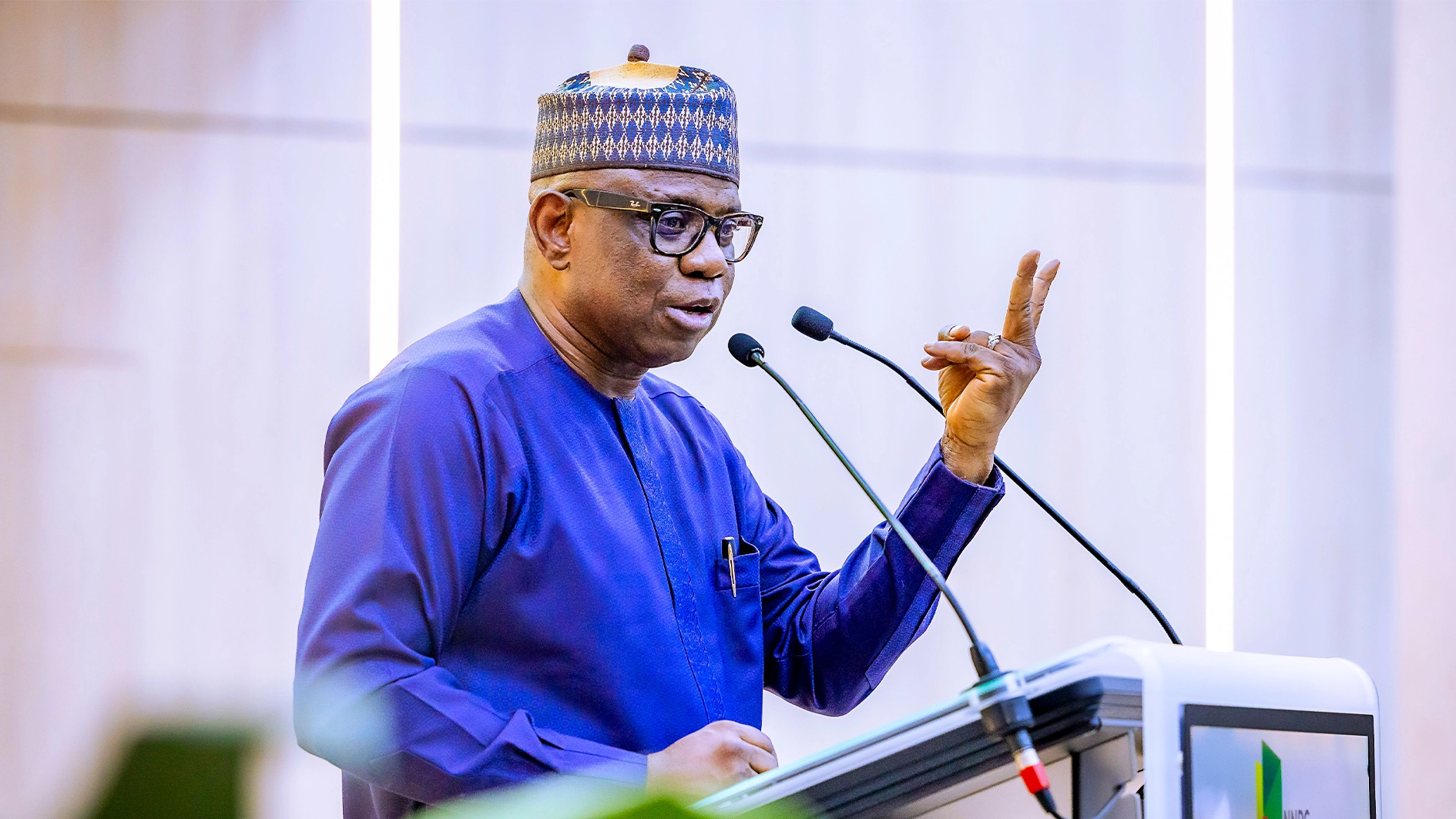
Nigeria’s drive to unlock the value of its vast natural gas reserves received a boost yesterday as UTM FLNG Limited signed a 15-year gas supply agreement with the NNPCL-Seplat Energy Joint Venture, securing 200 million standard cubic feet of gas per day for the country’s first indigenous floating liquefied natural gas project.
The Wet Gas Sale and Purchase Agreement was signed during the Nigeria Oil and Gas (NOG) Energy Week Conference in Abuja yesterday.
The agreement is expected to provide feed gas for the UTM Floating Liquefied Natural Gas (FLNG) project, Nigeria’s first indigenous floating LNG facility.
Speaking at the signing ceremony, the Group Chief Executive Officer of NNPCL, Bayo Ojulari, described the agreement as a major milestone in the Federal Government’s drive to increase gas utilisation by 2030 under the Decade of Gas initiative.
According to him, the deal supports Nigeria’s industrialisation and energy transition goals by creating jobs, boosting local content, strengthening the country’s position in the global liquefied natural gas market and contributing to lower carbon emissions.
Ojulari said the agreement also provides a clear pathway towards achieving the project’s Final Investment Decision in the fourth quarter of 2026.

“Today’s signing is not just an agreement – it is a declaration of intent to power Nigeria’s growth, prosperity and energy future through gas,” he said.
Also speaking, the Group Managing Director and Chief Executive Officer of UTM Offshore Limited, Julius Rone, said the agreement establishes the framework for supplying feed gas to the floating LNG facility.
He noted that it also creates long-term offtake commitments needed to support the project’s financing, construction, and operations.
According to Rone, the agreement will help deliver predictable revenue, assure buyers of a reliable LNG supply, and give lenders confidence in the project’s long-term viability.
The Minister of State for Petroleum Resources (Gas), Ekperikpe Ekpo, said the agreement reflected the growing role of indigenous companies and private sector investment in Nigeria’s gas industry.
He added that it also demonstrated increasing investor confidence in the country’s gas market, driven by ongoing reforms, policy stability and fiscal incentives introduced by the Federal Government.

