 Follow Us on Google News


 Follow Us on Google Discover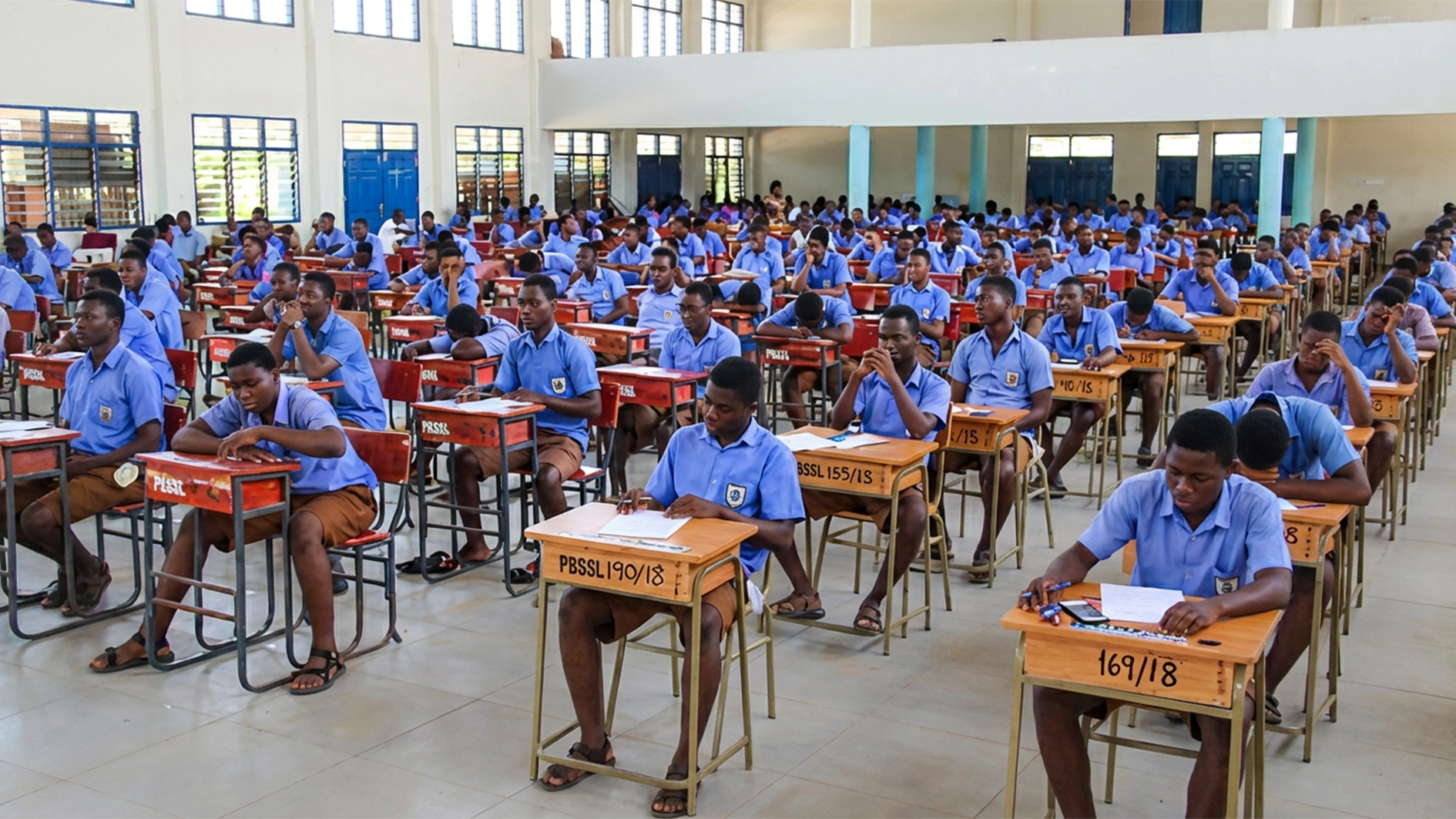
By Opaluwa Gloria Johnson
Silence filled the examination hall. The only sounds were the steady scratching of pens on answer booklets and the occasional turning of pages. As I walked between the rows of candidates, I looked beyond the scripts before me. I was observing something far more valuable than answers—I was witnessing integrity in action.
Over the years, I have supervised examinations in several schools. Those experiences have exposed me to both the inspiring and the heartbreaking realities of our educational system. Sadly, in some schools, the pressure to produce outstanding examination results has become so overwhelming that integrity is often sacrificed on the altar of success, most especially in private schools.
The race for high pass rates has, in some cases, replaced the pursuit of genuine learning.
Yet, every so often, one encounters a refreshing exception.
During the recently concluded Basic Education Certificate Examinations(BECE) I was assigned to supervise a private secondary school (Shining Star College Kubwa, FCT-Abuja)whose conduct renewed my hope in the future of education. From the first day to the last paper, I watched a school that chose principle over popularity, honesty over shortcuts, and character over convenience.
There was no attempt to influence the supervisors. No hidden signals. No whispered answers. No desperate efforts to manipulate the examination process. Instead, I found teachers who trusted the work they had done in the classroom, administrators who respected examination regulations, and students who depended on their preparation rather than unfair assistance.

That experience left a lasting impression on me.
It reminded me that excellence built on integrity is not only possible—it is sustainable. A school’s reputation should never rest solely on the number of distinctions displayed on its notice board. Rather, it should be measured by the quality of character it develops in its students and the values it refuses to compromise.
The unfortunate truth is that examination malpractice does not merely produce dishonest results; it creates a dangerous illusion of competence. A student who is helped to pass an examination may receive applause today but may struggle tomorrow when real knowledge and practical skills are required. In the long run, everyone pays the price—the student, the parents, the institution, and ultimately the nation.
Nigeria’s educational system does not need more inflated results. It needs schools that believe in teaching instead of cheating just like the above mentioned school. It needs educators who understand that their greatest achievement is not helping students pass examinations at all costs, but preparing them to succeed honestly in life.
Parents also have an important role to play. While every parent desires academic success for their child, genuine success should never come at the expense of integrity. Children should be encouraged to value hard work, perseverance, and honesty above temporary achievements. A certificate earned through honest effort carries a dignity that no manipulated result can ever possess.
To the management, teachers, and students of the college I supervised, I extend my sincere admiration. Your commitment to ethical standards demonstrates that integrity is still alive in our schools. You have shown that success does not require compromise and that excellence can flourish where honesty is deliberately nurtured.
My hope is that your example will inspire many other schools across Nigeria. Imagine an educational system where every examination hall reflects fairness, discipline, and confidence instead of fear and compromise. Imagine graduates who not only possess certificates but also the knowledge, competence, and moral courage those certificates are meant to represent.
That vision is within reach—but only if we choose integrity.
As I left the examination hall on the final day, I carried more than my supervisor’s report. I left with renewed confidence that despite the challenges facing our educational system, there are still schools quietly proving that honesty has not disappeared.
Perhaps the future of Nigerian education will not be transformed by grand speeches or sweeping policies alone. Perhaps it will be changed by schools that make a simple but courageous decision every day: to do what is right, even when no one is watching.
Because in the end, the greatest result any school can produce is not merely students who pass examinations—but young men and women whose character will stand the test of life.
Johnson wrote from Abuja.

