 Follow Us on Google News
 Follow Us on Google Discover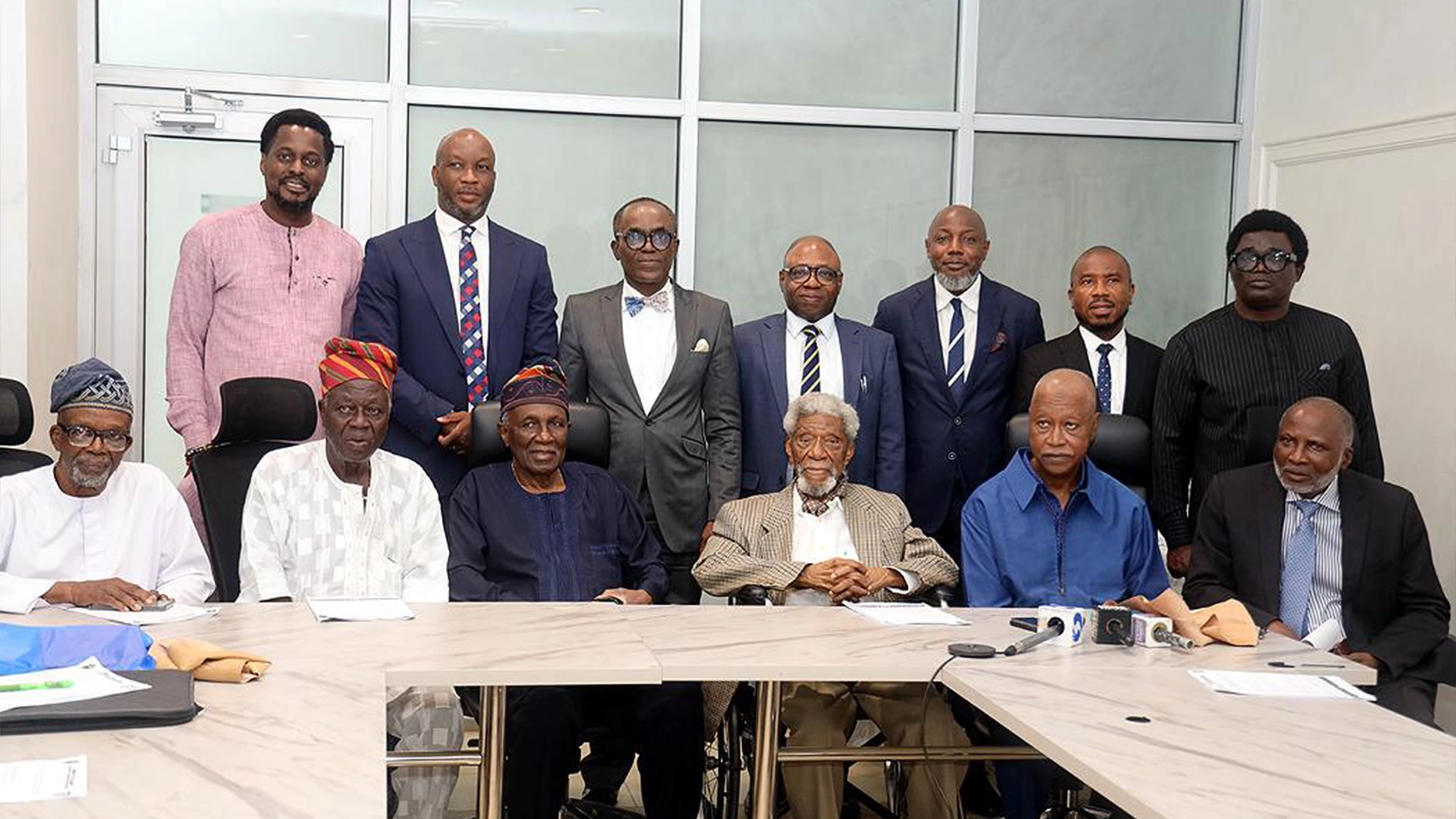
The Federal Government has approved the concession of King’s College, Lagos, to the Old Boys’ Association (KCOBA), in what the group described as one of the most consequential developments in the school’s 116-year history.
National President of the association, Kashim Ibrahim-Imam, who disclosed this to reporters in Lagos, said the approval represents a new governance framework through which KCOBA will partner with the federal government to restore, strengthen, modernise and sustain the college.
He noted that for over 116 years, King’s College has served as one of the most respected symbols of educational excellence on the African continent.
According to him, the school has produced Nigerians who have distinguished themselves in public service, diplomacy, business, academia, medicine, engineering, the military, the judiciary, technology, and other sectors.
“Yet, as proud as we are of our history, we have also watched, with growing concern, the gradual deterioration of many of the facilities, systems, and structures that once made the college the undisputed standard bearer of secondary education in Nigeria.”
While lauding President Bola Tinubu and Education Minister, Dr Tunji Alausa for the gesture, the association described the concession as an act of visionary leadership that reflects courage, trust and a willingness to embrace innovative solutions to longstanding challenges in public education.

The group particularly noted the minister’s support for institutional reform and educational continuity.
The KCOBA President, however, clarified that the concession does not amount to the sale, privatisation or abandonment of the college by the federal government, but the establishment of a new governance framework through which the association will partner with the government to restore, strengthen, modernise, and sustain one of Nigeria’s greatest educational institutions.
Addressing concerns on federal character, Ibrahim-Imam said King’s College will remain a truly national institution open to students from every region, culture and background.
Speaking directly to parents, he gave assurances about access and affordability, noting that the establishment of a N100 billion Collegium Fund is intended to ensure that the financial burden of transformation does not fall on students.
Ibrahim-Imam outlined a seven-pillar transformation agenda to guide the restoration.
The first pillar is world-class governance anchored in transparency, accountability, evidence-based decision-making, and uncompromising corporate governance.
The second is infrastructure renewal, while the third is “One Kings College,” aimed at unifying standards and experiences across the campus. The fourth focuses on investing in teachers through improved remuneration of up to 50 per cent over time, continuous professional development, international exposure, digital competencies and better working conditions, while others include building a fully digital school with smart classrooms, AI-assisted learning, comprehensive learning management system, digital records, parent portals, electronic administration, digital libraries, campus-wide broadband, innovation hubs, robotics laboratories and coding programmes.
It also emphasised academic excellence, with plans to strengthen Science, Technology, Engineering and Mathematics (STEM), robotics, entrepreneurship, research, international partnerships and exchange programmes, among others.
To finance the transformation, the group launched a N100b Collegium Fund to support infrastructure renewal, academic excellence, teacher development, technology integration, students’ welfare, scholarships, innovation and long-term sustainability.
He called on corporate organisations, foundations, and development agencies to partner with the association, stating that supporting King’s College is an investment in Nigeria’s future leadership and human capital.

